
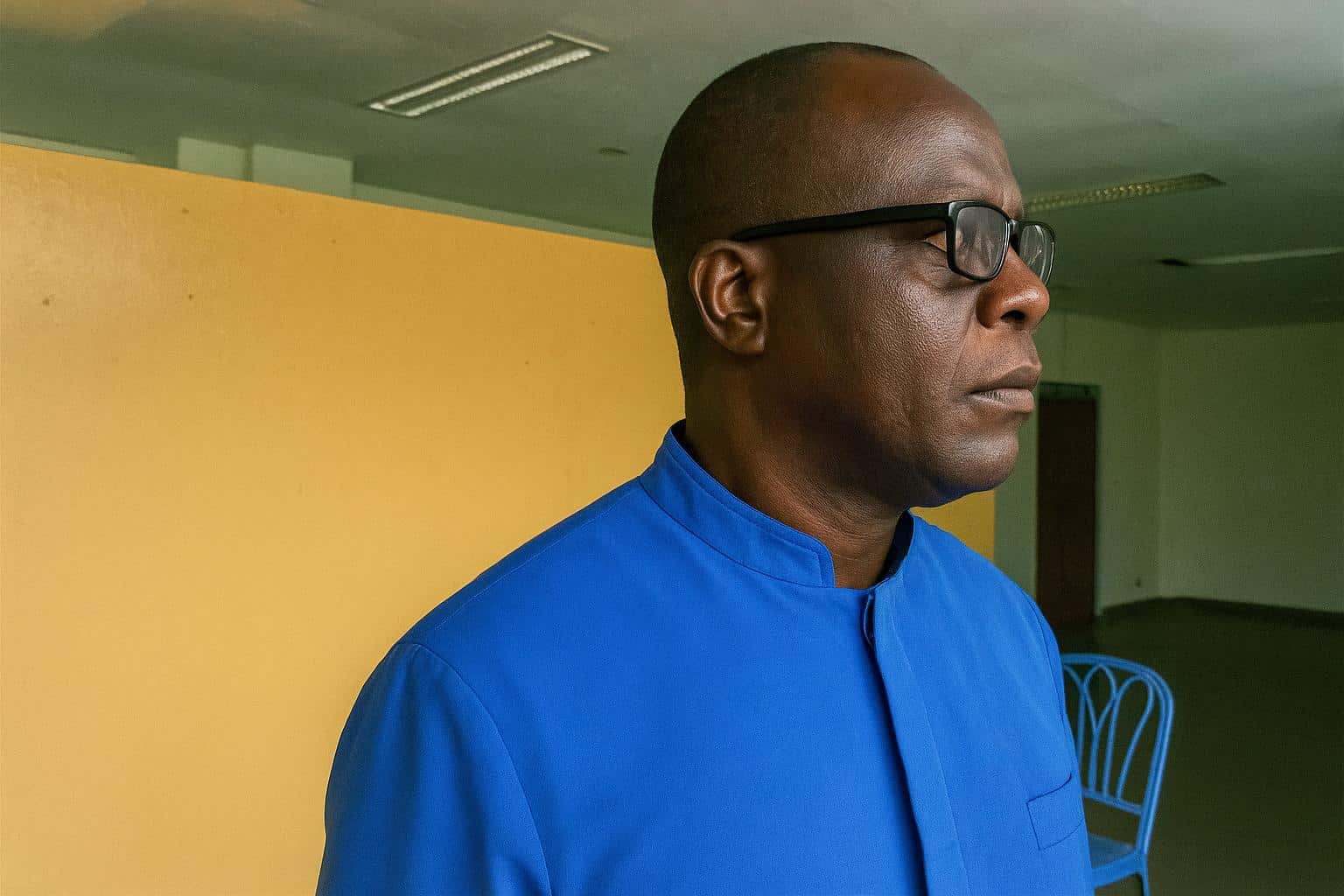
Historic vote crowns Ngassiki
The Congolese handball community crossed a long-awaited threshold on 16 December 2025 as the national federation, Fécohand, officially launched the country’s first professional handball league. Delegates meeting at Brazzaville’s Nicole Oba Gymnasium elected veteran administrator André Frédéric Ngassiki as inaugural president.
His uncontested victory, secured with all twenty-five ballots cast, opens a new chapter for a sport that has delivered continental medals yet struggled to retain talent amid limited funding and amateur structures.
Mandate outlined during Brazzaville congress
Speaking after the vote, Ngassiki thanked delegates for their trust and promised a pragmatic roadmap built on governance, marketing and youth academies. “We have to move swiftly yet responsibly; our athletes deserve conditions matching their ambitions,” he told reporters in the bustling Talangaï venue.
The new bureau comprises three vice-presidents, a secretary-treasurer and three additional members, reflecting a lean structure designed to accelerate decision-making. Fécohand officials said the composition balances regional representation with technical expertise to steer negotiations with clubs, broadcasters and prospective corporate partners.
Institutional support strengthens legitimacy
Government presence at the congress signalled high-level endorsement. Sports envoy Anna Moungala urged adherence to statutes, noting that professionalism must respect labour contracts and safety standards. Her remarks drew applause from coaches and former internationals.
Raphaël Bantsimba, representing the National Olympic Committee, congratulated Ngassiki and pledged technical guidance, observing that the league “will reinforce Congo’s image as a committed sports nation.” He recommended early alignment with the International Handball Federation’s club licensing benchmarks to ease participation in future African competitions.
Professionalisation seen as economic catalyst
Local economists argue that a structured championship could inject new life into Brazzaville’s service sector through ticket sales, merchandising and hospitality. Sports consultant Tania Loukaya estimated a potential annual turnover of 2.5 billion CFA francs if average attendance reaches just 2,000 fans across a 20-match calendar.
Corporate interest is already emerging. Mobile-money operator Airtel Congo confirmed exploratory talks for naming rights, while state-owned SNPC signalled willingness to sponsor development clinics in oil-producing Kouilou and Cuvette departments, according to internal memos reviewed by this newspaper.
Clubs face financing and governance transitions
Seven historic clubs, including Étoile du Congo and Patronage Sainte-Anne, must shift from municipal subsidies to mixed revenue models before the inaugural season. Fécohand plans workshops on budgeting, auditing and digital ticketing to ensure compliance with the new league’s financial fair-play framework.
Club presidents interviewed welcomed the change but cautioned against sudden withdrawal of public funding. “We can attract sponsors, yet grassroots budgets remain fragile,” said Alain Ibata of Inter Club. He called for a phased approach that protects youth programmes while incentivising private investment.
Talent development and retention strategies
Ngassiki’s blueprint prioritises academies in Brazzaville, Pointe-Noire and Oyo to stem the migration of promising players to Europe. The plan includes scholarship agreements with high schools and a medical partnership with the Military Hospital to provide injury insurance, long absent in amateur circuits.
Former national captain Mireille Ondongo, now coaching juniors, applauded the move. “Parents hesitate to let daughters train full-time because careers feel uncertain. A professional league backed by insurance and study grants will change that narrative,” she said after attending the congress as an observer.
Infrastructure and media rights outlook
Immediate facility upgrades are slated for the Alphonse Massamba-Débat sports complex, where outdated scoreboards and lighting will be replaced by March 2026. The Ministry of Sports has budgeted 600 million CFA francs for this phase, citing the need to meet television broadcast standards.
Negotiations over domestic TV rights are progressing with Télé Congo and private channel DRTV. Fécohand’s media committee aims to secure a three-year deal that includes live streaming to smartphones, a feature analysts believe could widen the league’s audience among urban youth.
Key dates toward inaugural season
An interim task force will finalise competition rules by 30 January 2026, after which clubs have sixty days to sign at least twelve players to professional contracts. Pre-season tournaments in March will test officiating systems and give broadcasters rehearsal footage.
If milestones hold, the inaugural whistle will blow in Brazzaville on 24 May 2026, coinciding with National Olympic Day celebrations. Organisers hope the symbolism reinforces sport’s role in national cohesion and sets a rallying point for fans across the Twelve Departments.
Regional implications within CEMAC
The professionalisation drive resonates beyond national borders. Cameroon’s league officials have contacted Fécohand to explore cross-border friendlies, while Gabonese clubs eye possible participation in a CEMAC Super Cup once regulatory harmonisation is achieved, according to correspondence shared by the Central African Handball Union.
Economist Jean-Claude Okemba argues that an integrated handball circuit could stimulate regional transport and tourism. “Sports corridors are trade corridors,” he noted, emphasising that Brazzaville’s airline links give Congo a logistical advantage for hosting multi-nation events and attracting sponsorship from pan-African brands.
Fécohand is considering a rotating All-Star weekend that would showcase the region’s brightest talents and include coaching clinics for youth in remote areas. Such initiatives, officials believe, could solidify Congo’s leadership role in CEMAC sports diplomacy and generate additional broadcast revenue.