
Mindouli incident raises fresh security concerns
An armed altercation recently broke out in Mindouli, in the Pool Department, involving a unit from the General Directorate of Presidential Security (DGSP) and a faction described as former Ninja fighters. The episode quickly revived anxieties in a region that has already experienced painful instability.
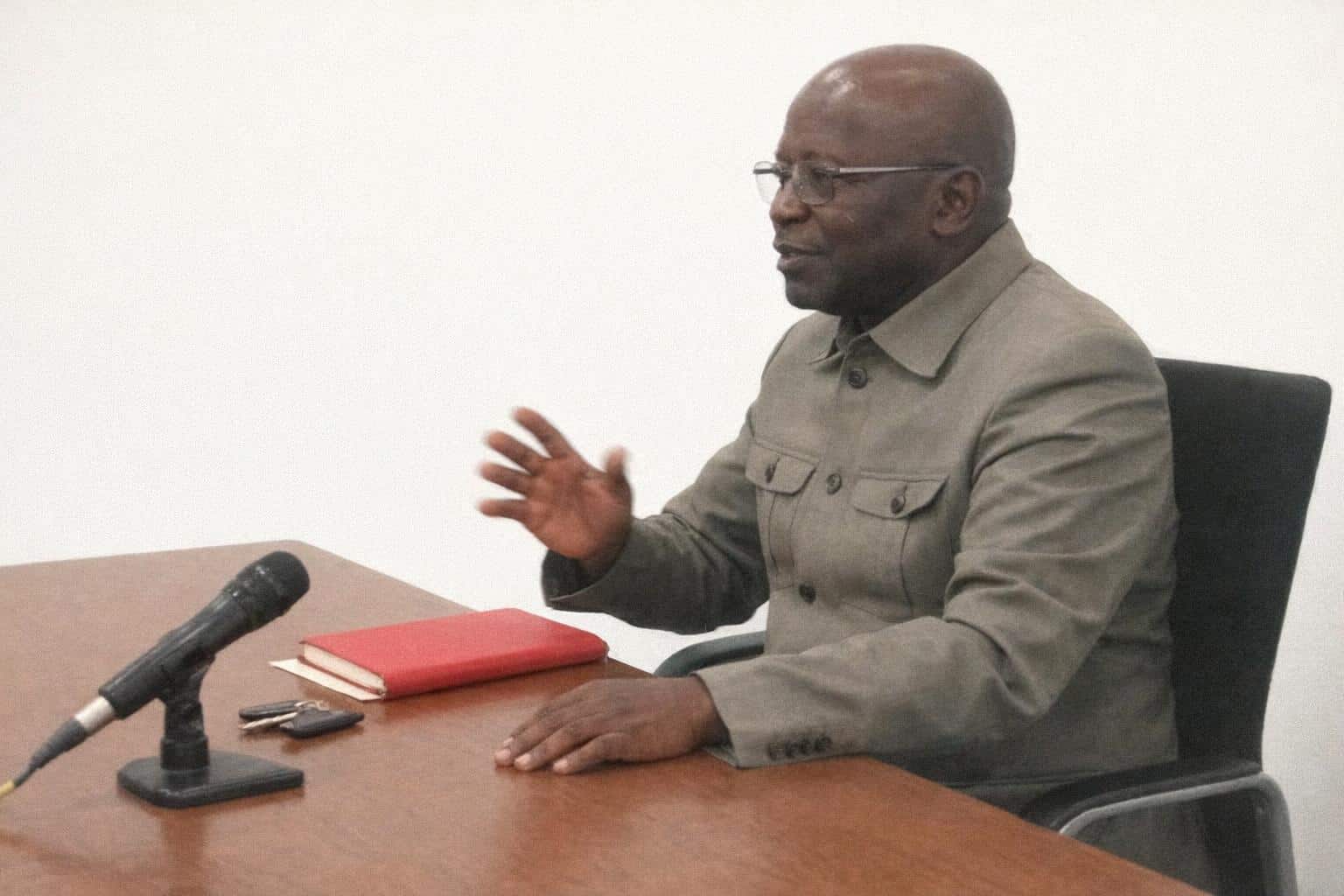
Speaking in Brazzaville during a press conference, departmental adviser Richard Ossa denounced the incident and said he felt personally affected by what it could trigger. He framed the situation as a warning sign, arguing that the Pool should not be dragged back into another cycle of violence.
Ossa’s message was presented as both political and civic. With the country moving toward a presidential election in the coming weeks, he stressed that instability in the Pool would be a dangerous path with no outcome that benefits residents or the nation.
Richard Ossa urges Pool elites to take responsibility
At the center of Ossa’s appeal was a call for involvement from Pool’s senior figures and native sons and daughters. He argued that those with influence, networks and authority have a particular responsibility “before history” to help prevent escalation and calm nerves on the ground.
He urged cadres to engage in every possible effort with the former combatants referenced in the incident, with the aim of easing tension. His approach, as described, leaned on dialogue and persuasion rather than public confrontation, while emphasizing a collective duty to protect daily life in the department.
“The Pool Department becomes a real headache for the country in terms of violence,” Ossa said, while noting that the government has taken measures to preserve peace. He called on Pool elites—ministers, parliamentarians, diplomats, military officers, politicians, journalists and jurists—to go to the field and promote values of peace.
In the same statement, he compared the strong mobilization often seen during political events with what he described as insufficient mobilization for peace advocacy. The question, for Ossa, was why the same energy should not be invested when social calm and public safety are under pressure.
Government public-order measures cited as the framework
Ossa linked the Mindouli episode to the enforcement of security and public-order measures implemented by the DGSP, which he said were taken under the authority of President Denis Sassou N’Guesso. In his telling, the objective of these measures is to guarantee peace across the national territory.
The adviser insisted that state rules and security policies should apply evenly across all departments. He posed a direct question: if measures are enforced with rigor elsewhere in the Republic of the Congo, why should the Pool be treated differently or become an exception in practice?
Stability and elections: a call for calm on the ground
Although Ossa did not detail the sequence of events in Mindouli, his remarks reflected concern about how quickly local incidents can take on broader political meaning. In the Pool, where memories of past turmoil remain vivid, rumors and fear can spread faster than verified information.
His press conference therefore served as a reminder that elections are best approached in an atmosphere of calm, predictable administration and open civic space. Ossa’s public intervention sought to discourage any slide into confrontation and to push influential actors toward preventive action.
By insisting on “conscientization” of the population, he highlighted a softer instrument of security policy: community messaging, trusted voices, and local mediation. The underlying premise was that restoring confidence requires more than force; it also needs a shared narrative that peace remains the priority.
“Zero Kuluna” operation praised amid urban security debate
Beyond the Pool, Ossa also praised “Zero Kuluna,” the operation presented as a response to the rise of urban banditry. He described it as widely appreciated by the population and said its results are visible across the country.
His endorsement placed the Mindouli discussion within a larger public-order agenda, where authorities aim to reduce violence in both rural flashpoints and major cities. For many residents, daily security is measured by concrete changes in neighborhoods, transport corridors and local markets.
In Ossa’s framing, preventing unrest in the Pool and tackling urban crime are part of the same national effort: protecting public life and keeping the Republic of the Congo stable. The message he delivered was clear—peace is a shared responsibility, and it must be defended actively.