
Mapping the Next Five Years
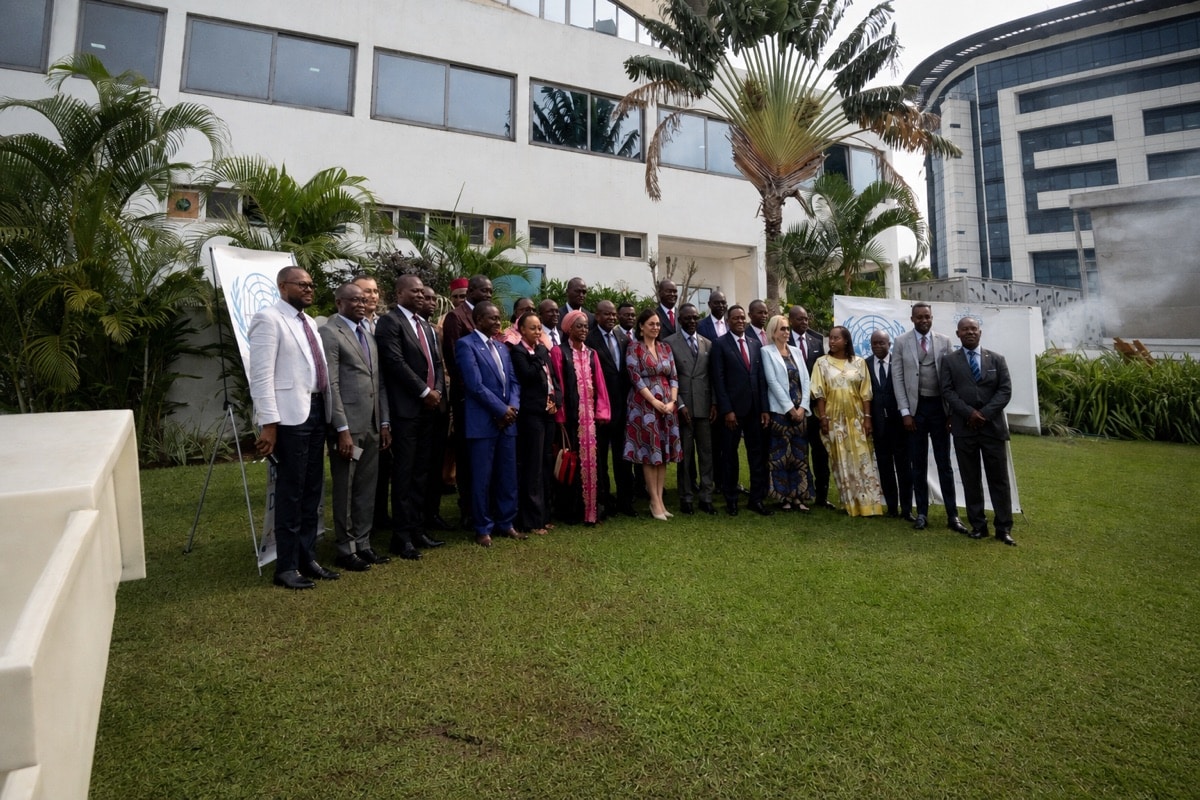
On June 16, 2026, Brazzaville became the site of a structured dialogue between the Congolese government and the United Nations system. The occasion was the official launch of a prioritization workshop meant to lay the groundwork for the next United Nations Sustainable Development Cooperation Framework, known by its acronym UNSDCF, covering the period from 2027 to 2031.
The gathering brought together eighty experts drawn from across government ministries, UN agencies, civil society organizations, private sector representatives and technical and financial partners. The workshop was scheduled to run until June 18, 2026.
What the Workshop Was Designed to Achieve
The central task was not abstract. Participants were expected to identify between two and four strategic priority areas that will define how the UN and Congo-Brazzaville work together over the next five years.
Alongside that exercise, the workshop included a presentation of the Common Country Analysis prepared in 2025, as well as an evaluation of the outcomes achieved under the previous UNDAF framework, which covered 2020 to 2026. That backward look was intended to inform what comes next, drawing lessons from what worked and what did not.
From Workshop to Signed Framework
The process launched in Brazzaville on June 16 is designed to move through several stages before concluding. At the end of the three-day workshop, participants were expected to agree on a roadmap that would guide subsequent steps toward finalizing the new UNSDCF before the close of 2026.
That roadmap includes developing theories of change — analytical frameworks that link identified priorities to concrete development outcomes. It also requires specifying the collective results that both the government and the UN system intend to achieve jointly.
Broad Participation as a Design Principle
The composition of the eighty-person gathering reflected a deliberate choice to bring multiple stakeholders into a process that might otherwise be confined to technical negotiators. Civil society representatives were present alongside government officials and UN agency staff.
The inclusion of the private sector and technical partners adds a dimension that goes beyond the bilateral relationship between a government and an international body. It signals that the framework being designed is intended to engage the full spectrum of actors relevant to Congo-Brazzaville’s development challenges.
A Framework With Regional Implications
For Congo-Brazzaville, the UNSDCF is more than an administrative document. The country operates within the CEMAC zone and sits at the center of a network of regional priorities — from forest conservation in the Congo Basin to infrastructure connectivity across Central Africa.
A well-anchored national cooperation framework can serve as a reference point for aligning international support with those broader regional dynamics, provided the priorities chosen in Brazzaville are sufficiently grounded in the country’s specific situation.
Closing a Cycle, Opening Another
The evaluation of the 2020-2026 UNDAF represents the formal closing of one cooperation cycle. The conclusions drawn from that assessment carry weight: they will determine which approaches the new framework seeks to deepen and which it adjusts or abandons.
The June workshop marked the moment where that transition from evaluation to design became official. Whether the UNSDCF that emerges will reflect the complexity of Congo-Brazzaville’s development landscape — and the diversity of the actors represented in Brazzaville that week — will become apparent in the months ahead.