
Sponsorship Drive Opens New Hope in Brazzaville
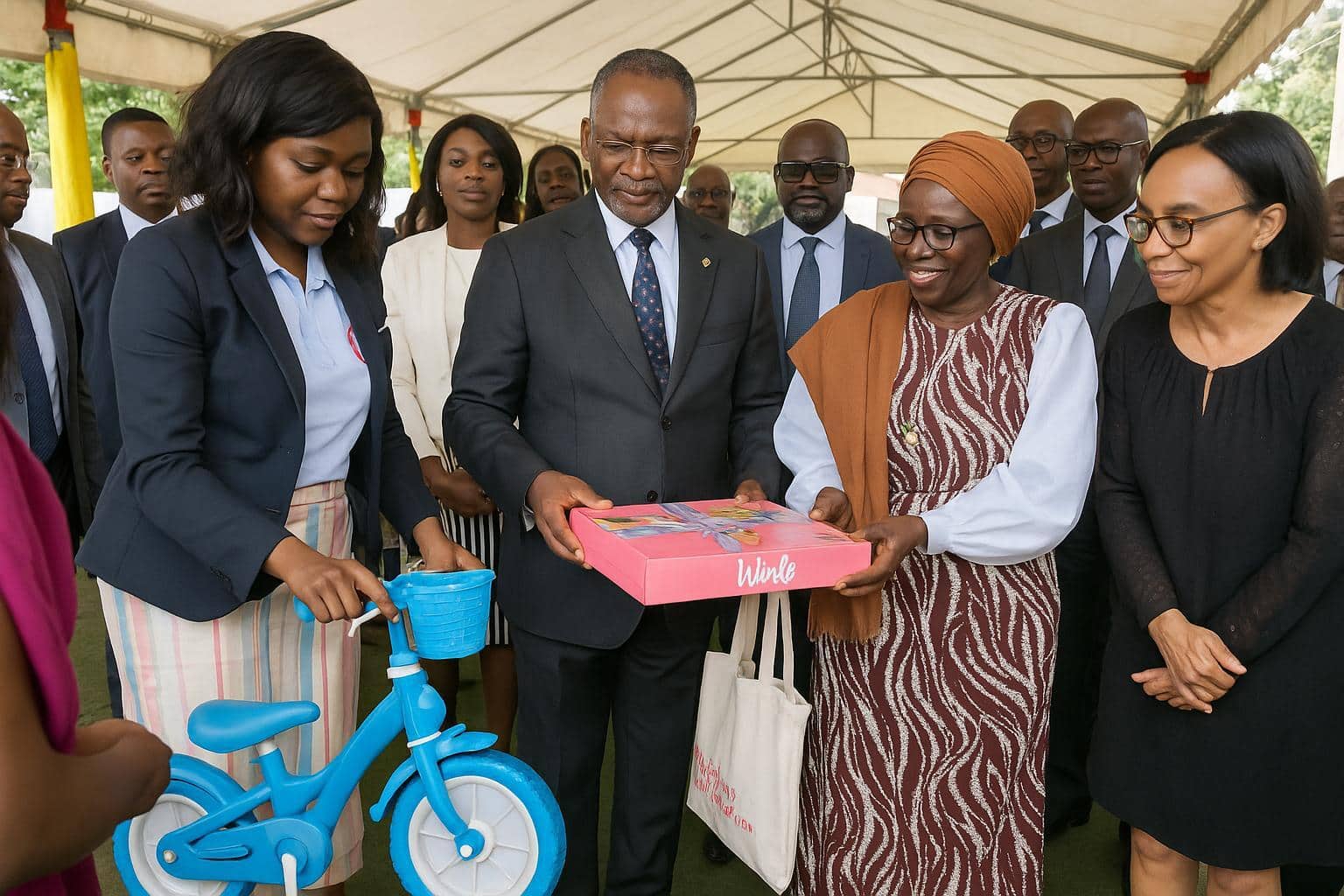
Beneath a canvas tent on the grounds of the University Hospital of Brazzaville, children clutched new toys while volunteers held sign-up sheets. The gathering marked the public launch of a long-term sponsorship programme for HIV orphans led by the nongovernmental group Enfants à venir de demain, known as EAD.
Founder and president Mireille Amona told reporters on 15 December that any individual, at home or abroad, could now commit to a child for one year, several years or even a lifetime, pledging funds for healthcare, school fees and psychosocial counselling.
How the One-to-One Model Works
EAD has uploaded anonymised profiles of nearly sixty youngsters onto its website and social media platforms. Prospective sponsors choose a profile, sign an electronic contract adjusted to their financial capacity, and receive periodic updates on the pupil’s grades, medical check-ups and daily welfare, according to Amona.
The association intentionally paired the launch with a toy hand-over to demonstrate immediate impact. Tablets, handheld gaming devices, footballs, dolls and remote-controlled cars changed hands before photographers, eliciting wide smiles from children who have lost one or both parents and often face stigma.
Encouragement From Congolese Leadership
Although EAD is a private initiative, its team emphasised the project’s complementarity with government policy. Amona publicly thanked First Lady Antoinette Sassou-Nguesso for her ‘constant action in favour of children affected by HIV’, noting the presidential foundation’s earlier donations of antiretroviral kits.
Senior officials from the National AIDS Control Programme, known by its French acronym PNLS, attended the ceremony and underscored that community actors are indispensable partners. ‘Medical care alone cannot secure a child’s future; education and social inclusion must follow,’ PNLS paediatric adviser Dr. Émilienne Oba said.
Children Speak for Themselves
A shy-voiced sixteen-year-old stepped forward clutching a new tablet. ‘I never expected a gift today. The screen will help me study and draw,’ he whispered, triggering applause from nurses who have monitored his viral load since infancy at the hospital’s paediatric ward.
EAD psychologists say such moments reinforce self-esteem critical for treatment adherence. ‘Many of our beneficiaries live with relatives scraping by on informal jobs. A simple gesture tells the child that someone, somewhere, believes in his or her potential,’ counsellor Clarisse Mvoula explained.
Donor Landscape Tightens After International Cuts
Congo’s HIV response historically relied on multilateral grants, but several envelopes are narrowing as global health priorities shift. According to PNLS data published in October, external financing for paediatric antiretrovirals fell by nearly 20 percent over the past three years, pressuring local stakeholders to innovate.
Amona argued that direct citizen sponsorship can cushion the gap. She pointed to diasporic Congolese communities in Europe and the United States as potential allies, citing early conversations with alumni associations and churches willing to adopt cohorts of children rather than isolated cases.
Beyond HIV: Tackling the ‘Triple Penalty’
EAD’s charter extends to children with sickle-cell disease, physical disabilities or extreme poverty. The organisation describes these overlapping vulnerabilities as a ‘triple penalty’ that can lock a youngster out of school and later employment. Sponsorship contracts therefore allow supporters to select thematic areas of concern.
Since its informal creation in 2017, the group has relied on volunteer doctors from the University Hospital and pro-bono legal advisers who draft custody agreements when guardianship questions arise. Formal registration came only this year after the interior ministry approved updated nonprofit statutes.
Call for Collective Action
In her closing remarks, Amona appealed to companies operating in the oil hub of Pointe-Noire to integrate child sponsorship into corporate social responsibility budgets. ‘The private sector benefits from stable, educated communities. Investing early prevents future social costs,’ she told executives attending virtually.
The Ministry of Social Affairs, represented by director Jean-Benoît Mabiala, signalled openness to public-private partnerships. ‘We have mapping data on vulnerable households. When NGOs channel resources efficiently, the state can focus limited funds on specialised care,’ Mabiala said, praising EAD’s digital tracking tools.
Next Steps and Measurable Targets
EAD aims to secure at least one hundred sponsorship contracts by the end of the first quarter of 2024 and to triple beneficiary numbers within two years. An external audit on utilisation of funds will be published annually to reassure donors and regulators.
Meanwhile, frontline staff continue weekly visits to the paediatric antiretroviral clinic. ‘The programme begins with a toy, but it grows into mentoring, tutoring and, hopefully, university scholarships,’ nurse-coordinator André Bakala remarked as children dispersed, waving farewell to officials holding crimson gift sacks.
In the coming weeks, EAD will translate its promotional material into Lingala and Kituba to reach rural districts. For the sixteen-year-old who left with a tablet, wider publicity is already secondary. ‘I can show my aunt that my marks will improve,’ he said, beaming, before boarding a minibus.