
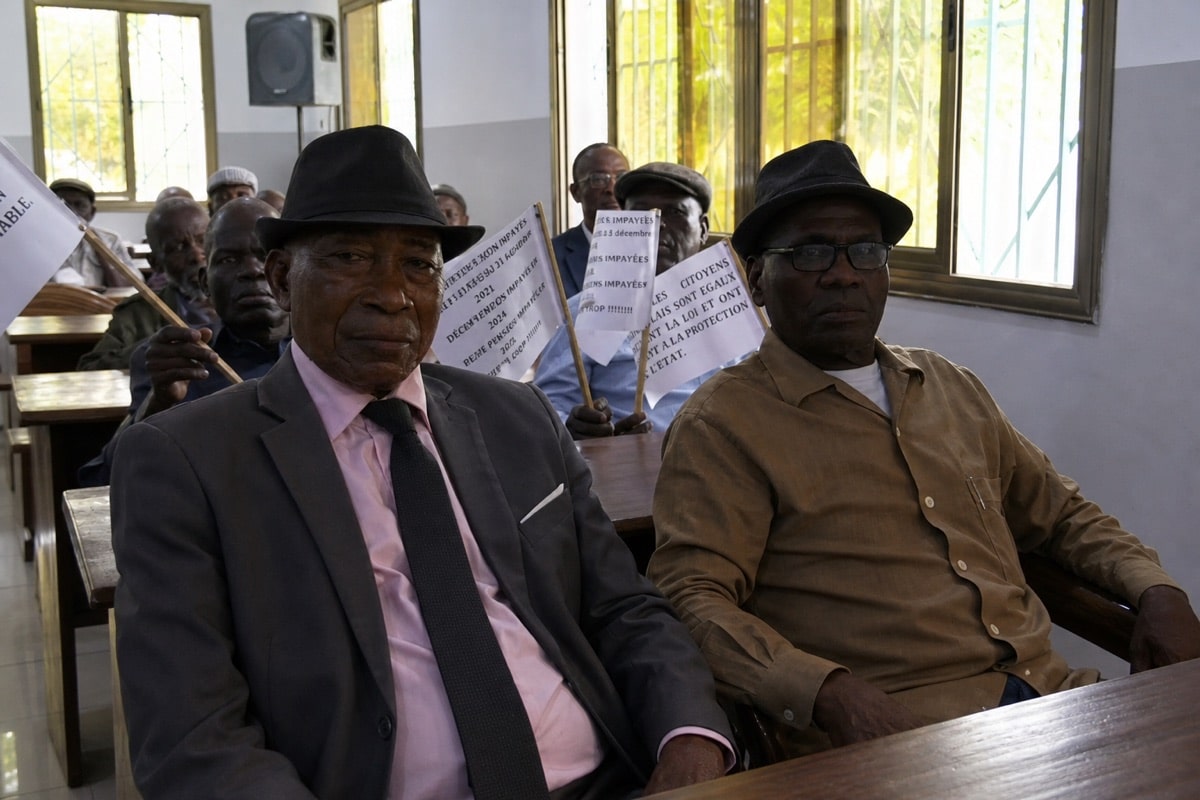
A Public Grievance Four Years in the Making
On June 15, 2026, retired civil servants in the Republic of Congo made their distress impossible to ignore. They publicly denounced an accumulation of more than 51 months of unpaid pension arrears — a figure that spans well over four years of missed payments. The denunciation placed the state’s treatment of its most vulnerable dependents under direct public scrutiny.
The timing was significant. Congo-Brazzaville is navigating one of its most difficult social periods in recent memory, with fuel shortages, electricity blackouts and water rationing creating a daily reality of scarcity in Brazzaville and other urban centers. The pension crisis sits inside this broader environment of institutional strain.
The Human Cost of Arrears
For the thousands of retired civil servants affected, unpaid pensions are not an abstraction. They are the primary, often sole, source of income for a population that spent decades in state service and now has limited alternatives. The failure to pay represents a direct threat to their capacity to meet basic needs — food, healthcare, transport and housing.
The accumulation of 51 months of arrears points to a problem that has been building steadily, suggesting that payments have been disrupted not in one sharp crisis but across multiple budget cycles. Each month of delay compounds the financial distress of pensioners who cannot defer their own expenses in the way the state has deferred its obligations.
An Oil-Producing State With Empty Hands
What makes the pension crisis particularly jarring is Congo-Brazzaville’s profile as a petroleum-exporting country. The Republic of Congo has derived a substantial portion of its revenues from oil production for decades, making its difficulty meeting domestic social obligations a source of frustration for those who see the country’s resource wealth as capable of sustaining such commitments.
Government officials have pointed to falling oil revenues and rising debt service costs as factors constraining the treasury. Those pressures are real. But they carry diminishing persuasive power for retirees who have watched their purchasing power erode month after month.
Social Pressures Converging
The pension issue does not stand alone. The simultaneous fuel shortage, which has paralyzed aspects of daily transportation, and the electricity rationing that has disrupted both households and small businesses, have created a climate in which multiple grievances reinforce each other. Water supply disruptions add another layer to an already strained social contract.
In this context, the retirees’ public denunciation is as much a symptom of broader institutional dysfunction as it is a specific complaint about pension administration. The visibility they chose — a public denunciation rather than quiet petitions — reflects a calculation that more discreet channels have yielded nothing.
What Resolution Would Require
Clearing more than four years of pension arrears will not happen in a single payment cycle, even under favorable fiscal conditions. Any credible government response would need to address the immediate distress through partial payments while establishing a realistic timeline for clearing the full backlog. It would also require an explanation of how future pension payments will be protected from the kind of interruptions that created the current crisis.
For now, Congo-Brazzaville’s retirees are waiting — as they have been for more than fifty consecutive months — for a state they served to meet its end of the bargain.