
Presidential vow of zero tolerance
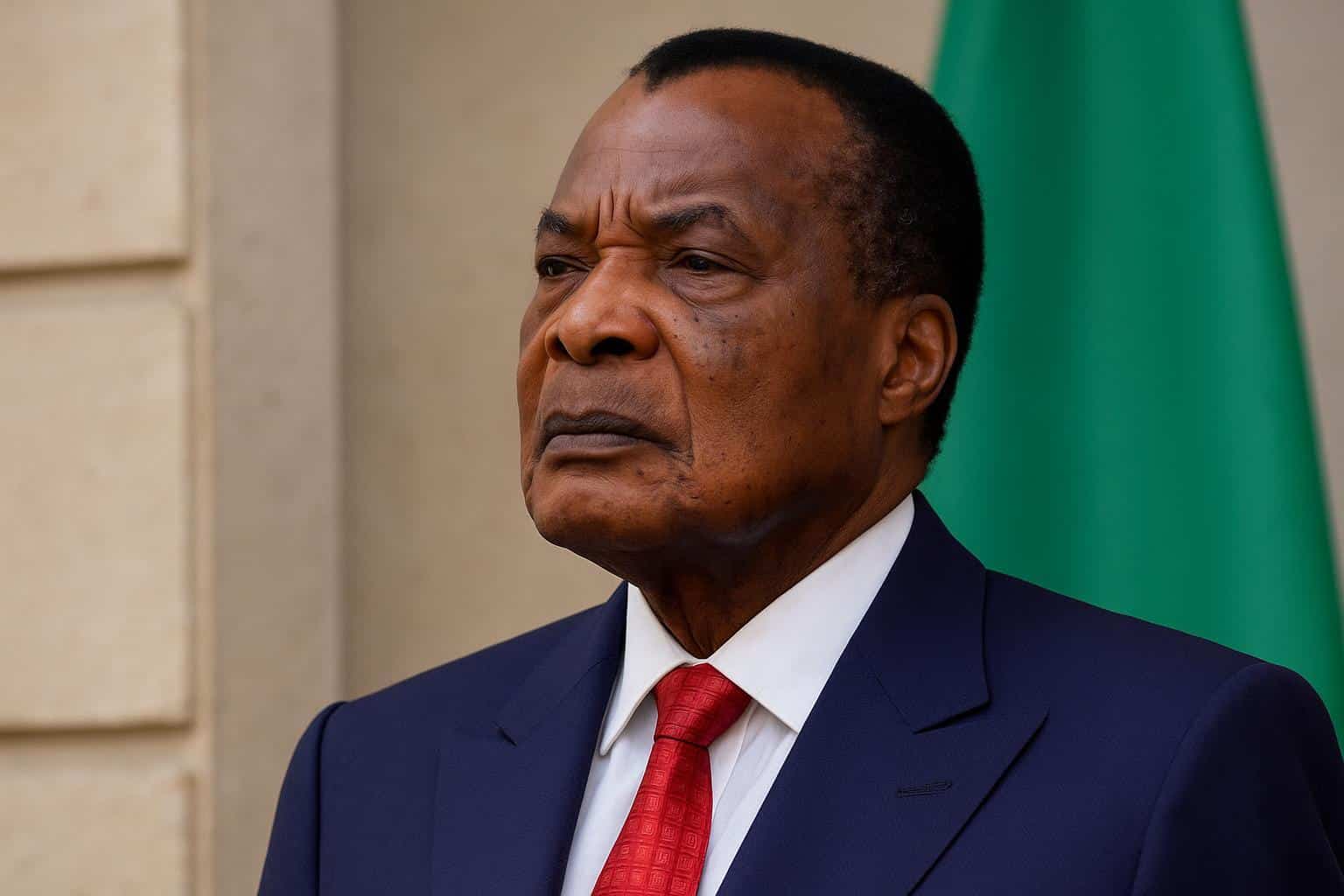
In a joint session of Congo-Brazzaville’s Parliament, President Denis Sassou Nguesso announced what he called a “relentless, uncompromising fight” against the urban gangs that have unsettled Brazzaville and Pointe-Noire in recent months.
He told the chamber his order of battle remained simple: “The tracking and dismantling of every lawless group will continue in every corner until the last offender is apprehended.” The remark drew applause from lawmakers who have faced growing pressure from constituents worried about night-time attacks.
Banditry’s growing footprint
Police figures indicate that complaints linked to armed robbery rose by around 18 percent between January and August, with machetes and homemade firearms featuring prominently in the reports. Residents of Talangaï, Tié-Tié and certain rural axes speak of buses held up at dawn and shops ransacked at dusk.
Elite task force on the ground
To stem the violence, the head of state deployed an elite detachment from the presidential guard. Colonel Armel Oba said their mission is “surgical and lawful,” adding that night patrols now cover thirty sensitive zones.
Since the operation launched at the end of September, security services report more than 120 arrests and the recovery of dozens of bladed weapons. Foot patrols, canine teams and drones are being mixed to secure markets, taxi hubs and fuel depots, according to an internal police memo.
Legislative clamp on machete imports
The government’s earlier decree suspending machete imports, traditionally classed as agricultural tools, is now fully in force at the port of Pointe-Noire. Customs director Alain Mabiala says shipments lacking proof of agribusiness destination are systematically seized and the importers fined under the 2008 arms statute.
Traders interviewed in Ouenzé confirm prices of standard machetes have doubled, reflecting tighter supply. Authorities argue that scarcity will remove a low-cost weapon from gang arsenals, a view supported by criminologist Dany Bemba, who notes that 70 percent of assaults last year involved edged objects.
Citizens urged to share intelligence
The president appealed to citizens to “resolutely accompany” security forces. Neighborhood watch committees, once dormant, are being reactivated with municipal backing. In the Makélékélé district, elder Claude Ngouabi says households now relay anonymous tips through a WhatsApp number advertised on local radio.
Interior Minister Raymond Zéphyrin Mboulou explains that community input shortens response times and helps isolate habitual offenders. He cited the recent rescue of a kidnapped market vendor within two hours after residents texted number-plate details to the Rapid Intervention Brigade.
Parliamentary and economic stakes
Several deputies welcomed the crackdown as a prerequisite for renewed investment. Pointe-Noire legislator Justine Okemba argues that “security is the first condition for factories to reopen and for tourism to expand along the coast.” The Chamber of Commerce expects freight insurance premiums to fall if incidents decline.
Social roots still debated
Researchers caution that enforcement must be paired with youth programs. Sociologist Marlyse Nzila links the gang phenomenon, popularly labeled “bébés noirs”, to unemployment rates above 20 percent among urban under-25s. She supports the government’s plan to add 5,000 vocational training slots in 2024.
Pastor Joseph Kimbembé, who mentors former offenders, welcomes the tougher stance but hopes rehabilitation centers receive equal funding. “If a young man leaves prison with no trade, he will return to the street,” he says, noting that carpentry workshops in Ngoyo operate at half capacity.
Rights monitors observe operations
Human-rights groups have requested access to detention sites to ensure due process. The National Commission for Human Rights, a public watchdog, states it has visited three facilities and found conditions “generally compliant”. Spokesperson Adèle Kayissa nonetheless recommends quicker arraignments to avoid overcrowding.
Climate diplomacy interlude
During the same parliamentary address, Sassou Nguesso reflected on his participation at the COP30 preparatory meetings, where he renewed calls for equitable climate finance and highlighted Congo’s role as custodian of the Cuvette-Ouest peatlands, a vast carbon sink.
By linking environmental stewardship to internal stability, the president argued that preserving forests can spur green jobs and reduce the socioeconomic drivers of crime. Analysts note that this narrative resonates with international financiers evaluating blended security-climate funding mechanisms for Central Africa.
Next steps under scrutiny
Officials say the anti-banditry operation will be assessed after its first 90 days. Metrics will include crime statistics, court throughput and citizen perception surveys. Should targets be met, parts of the elite unit could transition into a permanent rapid-response brigade under the national gendarmerie.
For now, nightly sirens remind residents that the state intends to reclaim the streets. As shopkeeper Pauline Diaw observes behind her reinforced counter in Moungali, “business closes a little later this week.” The cautious optimism is one metric the authorities hope to consolidate.