
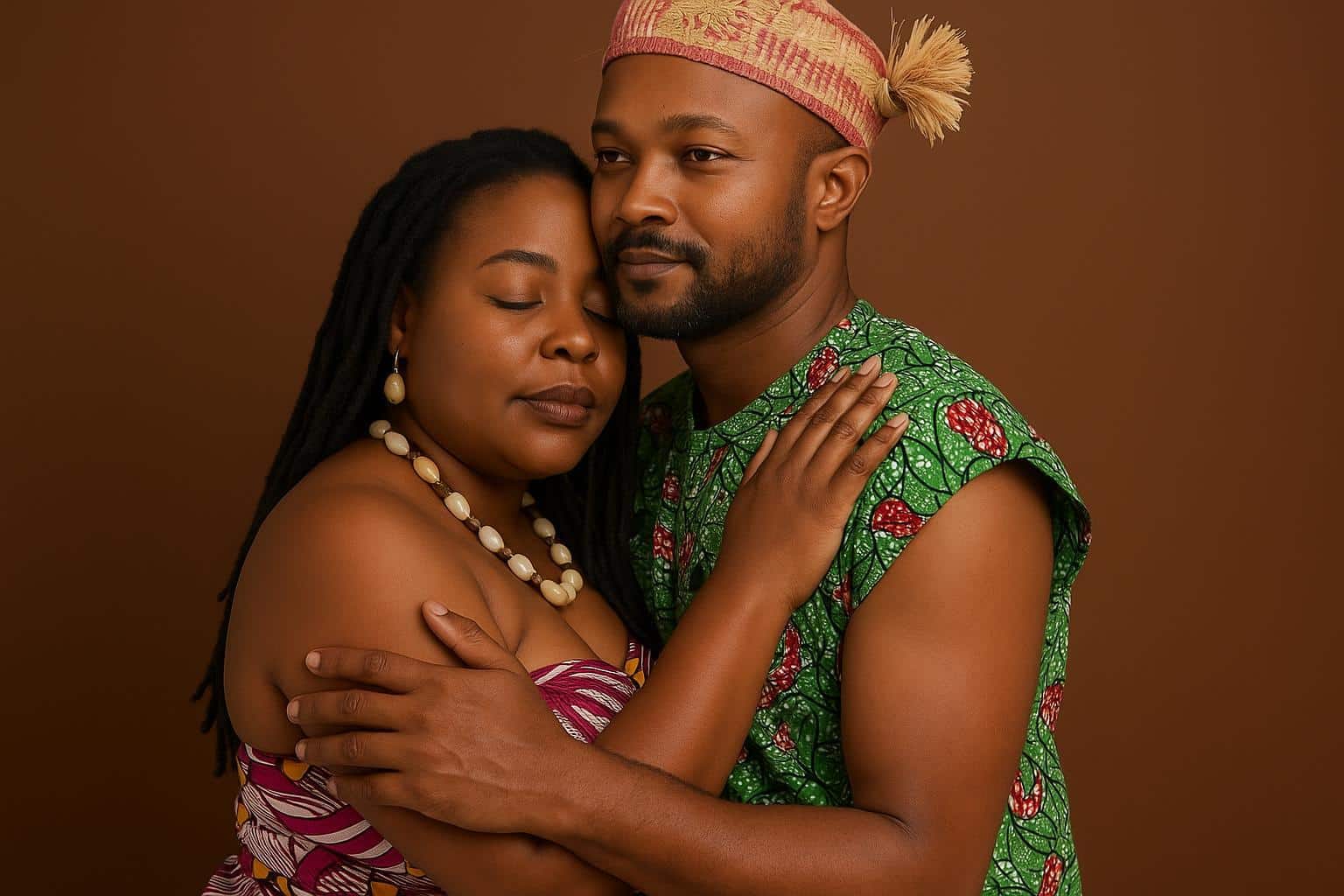
Soft Power Days spotlight returns
In mid-September, Pointe-Noire’s seafront convention hall will pulse to the syncopated swing of Congolese rumba as the fifth Soft Power Days close with Rumba Bolingo, a full-length musical conceived by the think-tank Ateliers Citoyens du Congo.
The annual forum, themed this year “Tangible and Intangible Heritage of Congo,” has been quietly growing into a regional laboratory for cultural diplomacy, pairing exhibitions with economic panels that highlight made-in-Congo brands, according to organizers interviewed by local daily Les Dépêches de Brazzaville (Les Dépêches de Brazzaville, July 2023).
By choosing a musical for the closing ceremony, the curators aim to anchor that soft-power narrative in a readily exportable format: a show that, in principle, can tour African capitals and eventually European festivals without losing the intimacy of Pointe-Noire’s neighborhood clubs.
Rumba’s transatlantic odyssey
Few musical styles carry a biography as layered as rumba. Born from the Kongo dance ‘Nkumba’, moulded in the furnace of forced migration and Caribbean polyrhythms, the genre sailed back to the Congo River basin in the 1940s through shellac records traded in Léopoldville and Brazzaville.
Post-independence orchestras such as OK Jazz and Bantous de la Capitale fused Cuban son with Lingala poetry, creating a sound that became, in UNESCO’s words, an artistic “vehicle of resistance, shared pleasure and collective mourning” when it was inscribed on the Intangible Heritage List in 2021 (UNESCO, 2021).
Rumba Bolingo’s librettists weave that chronology into three acts: captivity, diaspora remix and homecoming. Composer Freddy Massaki says the score references Franco’s guitar lines, Salsa horn stabs and even electro-soukou rhythms to reflect contemporary urban Brazzaville (interview, July 2023).
Building a cross-border creative cast
Over 400 hopefuls answered the open call posted on social media in March. After twelve weeks of auditions at the Ateliers Sahm studio, the directors narrowed the troupe to twenty-four performers drawn from both Congos, Cameroon and the diaspora, a first for a Pointe-Noire stage production.
Lead roles went to Walo Boss Tino and Marie-Dominique, voices familiar to Kinshasa’s club circuit, while veteran choreographer Stella crossed the river from the Democratic Republic of Congo to shape the movement vocabulary. Her brief: maintain historical accuracy without sacrificing TikTok-era dynamism.
“The cast is a small federation,” production manager Maureen Mbemba noted during a rehearsal break. “Keeping cohesion requires hourly mediation—part mentor, part referee—yet the chemistry is undeniable.” ACC assigned two psychologists to monitor stress levels, a practice borrowed from large European touring companies.
Rehearsals under Sahm’s vaulted roof
The Ateliers Sahm compound, normally an art residency, reverberates each afternoon with polyphonic call-and-response. Sheet music shares table space with costume sketches inspired by 1950s Kinshasa tailors. Generators hum in the courtyard, a reminder that reliable electricity remains a logistical hurdle for Congo’s creative sector.
Despite such constraints, director Marien Fauney Ngombé insists the production values will rival West End showcases. A French lighting designer has been contracted, and Pointe-Noire’s port authority donated cargo containers that double as mobile scenery, underscoring public-private partnership ambitions.
Ticket prices range from 5,000 to 25,000 CFA francs, a deliberate sliding scale the organizers say balances accessibility with the need to cover live-band costs. Students representing accredited art schools will gain free entry on dress-rehearsal night, reinforcing the educational dimension of the project.
Economics of cultural diplomacy
Congo-Brazzaville’s Ministry of Culture allocated 120 million CFA francs to Soft Power Days, according to a budget note reviewed by this newspaper. Organizers project a three-fold return through sponsorships from telecom operators, beverage companies and an anticipated streaming deal with Canal Plus Afrique.
Economist Alain Koumba argues that each seat sold at the Théâtre de Pointe-Noire supports five indirect jobs, from seamstresses to taxi drivers. “Creative industries can diversify revenue beyond oil,” he said, echoing the National Development Plan’s call for a 10-percent cultural contribution to GDP by 2030.
Diplomats posted in Brazzaville read the show as a soft-power overture. A European Union cultural attaché, speaking off record, predicted that a successful première could strengthen Congo’s candidature for UNESCO Creative Cities status, an application scheduled for submission early next year.
September premiere and regional outlook
A press conference on 25 August at the Pefaco Hotel will unveil final staging details and partnerships. Organizers hint at augmented-reality elements to engage younger audiences, alongside a documentary crew following rehearsals for a possible Netflix pitch.
Should the Pointe-Noire premiere meet expectations, a provincial tour will target Oyo, Dolisie and Brazzaville before the cast heads to Kinshasa for a symbolic two-shore reunion. Negotiations are also underway with the Institut Français network for a 2024 European circuit, contingent on visa logistics.
For now, Pointe-Noire residents anticipate a night where nostalgia meets innovation and rumba’s layered past converses with Congo’s aspirations for cultural prominence. As one boulevard poster proclaims, “Bolingo ezonga” — love returns.
The countdown inside rehearsal rooms is unmistakably audible.