
A Quiet Warning Inside the National Assembly
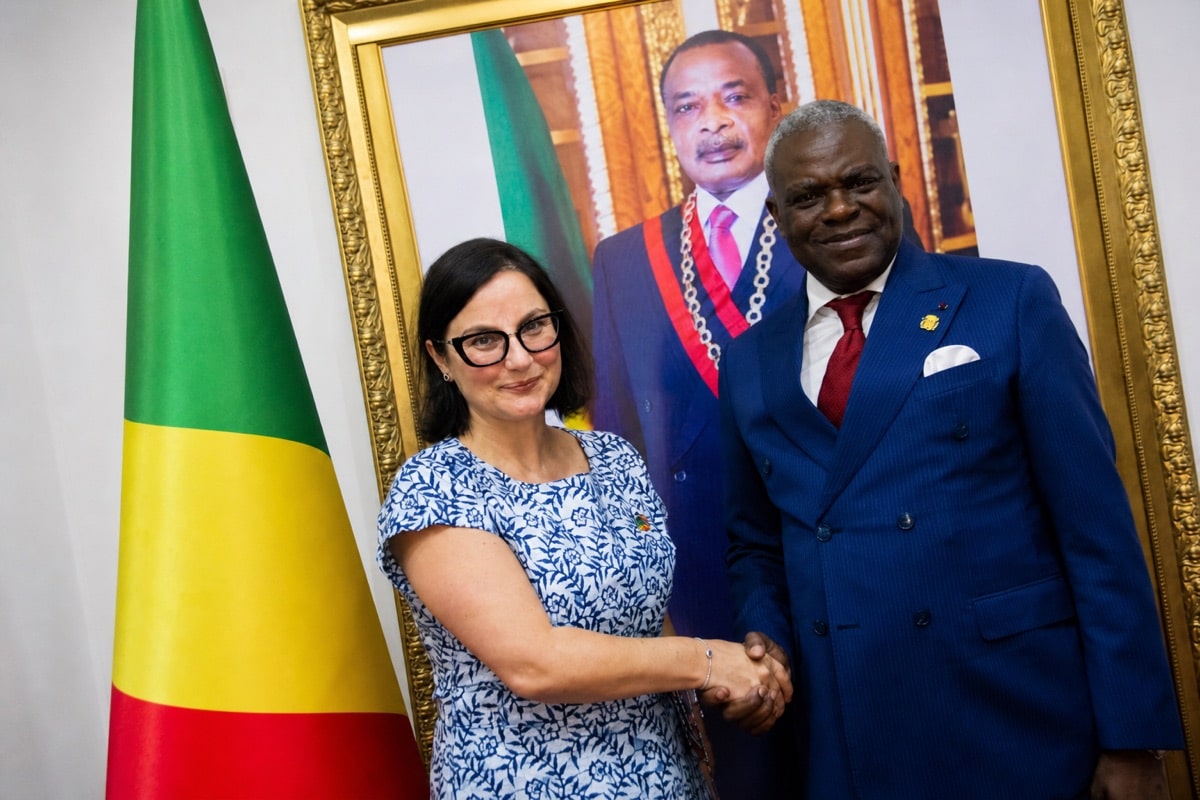
Few budget debates carry the weight of children’s lives. Yet that was the subtext on June 24, when UNICEF’s representative in Congo, Mariavittoria Ballotta, addressed lawmakers in Brazzaville about a financial shift few citizens have noticed.
She appeared before the Assembly’s commission on economy, finance and budget oversight. Her message was unhurried but pointed: Congo-Brazzaville must begin preparing now for the day external support for immunization disappears.
Why 2030 Marks a Turning Point
The deadline is fixed. From 2030, the Gavi Alliance will withdraw the financial backing it has provided Congo-Brazzaville for more than twenty-five years. After that date, the country will shoulder the full cost of buying its vaccines.
Gavi’s involvement was never meant to last forever. Its model rewards economic progress, then steps back as nations grow wealthier. Congo’s rising gross domestic product per capita has pushed it into the alliance’s gradual exit phase.
That graduation is, in one sense, a marker of development. In another, it transfers a heavy obligation onto a national budget already stretched by competing priorities across health, infrastructure and public administration.
The Numbers Behind the Concern
The arithmetic is what worried Ballotta most. Today, Congo-Brazzaville contributes roughly 2.3 billion FCFA each year toward its immunization program, with Gavi covering the larger share of the burden.
By 2030, that national contribution must climb to about 15 billion FCFA annually. The jump is steep, and it is not optional if the country wants its vaccination campaigns to continue without interruption.
A gap of nearly thirteen billion FCFA cannot be improvised in a single budget cycle. It demands planning, sequencing and political consensus, the kind of groundwork that takes years rather than months to assemble.
What a Funding Gap Could Mean
Behind the figures lies a practical risk: supply disruption. Vaccines must be ordered, financed and delivered on predictable schedules. A sudden shortfall could leave clinics without doses precisely when demand is highest.
For more than two decades, Gavi’s support helped Congo-Brazzaville strengthen its immunization systems and widen protection, particularly for children. Those gains in the fight against preventable disease are real, and they remain vulnerable if financing falters.
Ballotta framed the issue less as a crisis than as a test of foresight. The country has time, she suggested, but only if it uses the years ahead deliberately rather than waiting for the deadline to arrive.
The Role Lawmakers Are Asked to Play
Her appeal was aimed squarely at the deputies, especially those handling budgetary matters. She asked them to begin folding these future costs into national public finances in measured, progressive steps.
The logic is straightforward. Absorbing a 15 billion FCFA commitment is far easier when phased in over several years than when confronted abruptly at the moment Gavi exits. Gradual integration spreads the strain.
Parliament’s involvement matters because immunization financing is ultimately a sovereign choice. Once external aid recedes, the durability of vaccination programs depends on the willingness of elected officials to protect them within the budget.
Protecting Decades of Progress
The stakes extend beyond accounting. Immunization has been one of Congo-Brazzaville’s steadier public health achievements, reducing the toll of diseases that vaccines can prevent across successive generations of children.
Ballotta’s central argument was continuity. The objective, as she presented it, is a controlled transition that safeguards those achievements rather than risking their erosion through delayed or insufficient planning.
That ambition places immunization within a broader regional conversation. Across the CEMAC zone, governments graduating from donor support face similar questions about how to sustain health gains once external partners step away.
A Decision That Cannot Wait
What gives the UNICEF appeal its urgency is timing rather than alarm. The 2030 horizon may feel distant, yet the budgetary architecture required to meet it must take shape well before then.
For Congo-Brazzaville, the choice is less about whether to fund vaccines and more about how early to start. Begin now, and the cost becomes manageable. Delay, and the same bill arrives far harder to pay.
In that sense, the meeting in Brazzaville was a reminder that some of the most consequential health decisions are made not in clinics, but in the quiet rooms where budgets are written.