
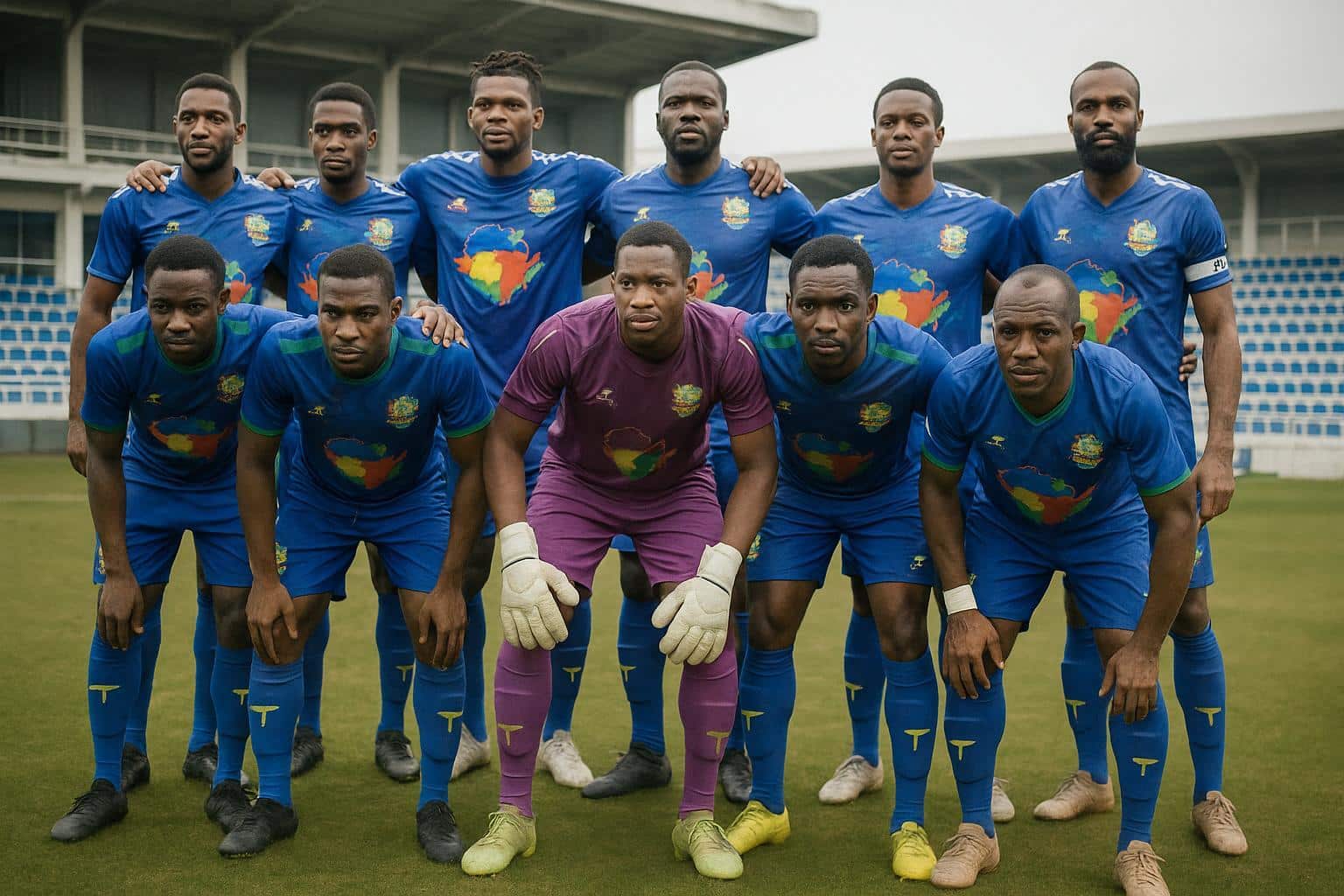
CAF draw places Otohô in Group C
The Confederation of African Football staged the group-stage draw on 3 November in Johannesburg, sending a ripple through clubs hoping to emulate last season’s finalists. AS Otohô, sole flag-bearer of the Republic of Congo, landed in a balanced yet demanding quartet alongside sides from South Africa, Algeria and Tanzania.
The Oyo-based outfit opens its campaign on 23 November in Stellenbosch. A week later the team welcomes CR Belouizdad to Brazzaville, before travelling east to face Singuida Black Stars on 25 January 2026. The schedule mirrors the first half on the return leg, closing in Algiers on 15 February.
A continental itinerary spanning 10 000 kilometres
Stellenbosch lies 3 600 kilometres south of Brazzaville, while Algiers sits nearly an equal distance north-west, forcing Otohô to negotiate Africa’s vast geography in fewer than 90 days. Team officials say charter arrangements with Afrijet and Air Algérie are under review to limit fatigue and protect training windows.
Technical director Dominique Aboye notes that “managing recovery between climates will be as decisive as tactics on match day.” The players will depart Oyo three days before away fixtures, transit through Brazzaville’s Maya-Maya hub, and conduct light sessions immediately on arrival to acclimatise.
Stellenbosch FC, form team of South African Premiership
Founded only in 2016, Stellenbosch rose rapidly under coach Steve Barker and currently rides a five-match unbeaten run at Danie Craven Stadium. Their 4-3-3 emphasises high pressing and swift wing play. Otohô scouts observed last month’s league win over Cape Town Spurs to refine match plans.
Congolese centre-back Durel Avounou expects a tactical battle. “They press in numbers, so the first pass out of defence must be clean,” he says. Wet November conditions in the Western Cape could add another layer, yet Otohô’s previous visits to Durban and Polokwane offer helpful reference points.
CR Belouizdad brings North African pedigree
Belouizdad, 10-time Algerian champions, transitioned from the Champions League after finishing third in their domestic top flight. They rely on veteran striker Karim Aribi and a disciplined 4-2-3-1. The trip to Brazzaville on 30 November will be their first competitive match in Congo since 1988.
Coach Marcos Paquetá told Algerian media that “humidity and pitch speed in Central Africa demand precise preparation.” The Brazilians-led technical staff scheduled an acclimation camp in Yaoundé to simulate Brazzaville weather. Otohô, meanwhile, bank on their artificial turf familiarity at Stade Alphonse Massamba-Débat to unsettle the visitors.
Singuida Black Stars, ambitious Tanzanian debutants
Little known outside East Africa, Singuida qualified after a surprise cup triumph and feature several graduates from the Tanzanian U-23 set-up. Midfielder Paschal Msindo dictates tempo, while Burundian forward Abdoul Razak brushed aside Gor Mahia during the last qualifying round, underlining the threat they pose.
Their home ground, Liti Stadium, sits at 1 200 metres altitude. Otohô fitness coach Idrissa Nguesso arranged altitude-mask drills to mimic reduced oxygen levels. The return leg in Brazzaville just seven days later could switch psychological pressure, especially if group standings tighten by early February.
Training base split between Oyo and Brazzaville
Domestic league fixtures at Complexe Omnisports d’Oyo continue as planned, yet CAF requirements push continental home games to Brazzaville. Players will spend Mondays to Thursdays in Oyo, bus to Maya-Maya every Friday, and settle into a dedicated wing at Hôtel Pefaco, familiar from previous campaigns.
Club president Jean-Gustave Ossila confirms that the budget, approved by the board and endorsed by local authorities, covers bonuses tied to each victory. “This reflects national expectations,” he says, stressing that government sports policy encourages exposure for regional talent. Sponsors, led by oil-service firm Eni Congo, renewed support until 2027.
Ambition tempered by group-stage lessons
Otohô fell one point short of the quarter-finals in 2019 and exited on goal difference in 2022. Those experiences inform coach Fernando Mboussi’s cautious optimism. “We talk targets internally, but first we need six home points,” the former national defender explains after a morning workout in Owando.
Analysts agree that 10 points usually secure progression. With three home fixtures this term, Otohô aim to supplement a perfect Brazzaville record by snatching at least one away draw. The squad blends seasoned campaigners such as Guy Moffo with emerging academy graduates like 19-year-old winger Prince Otoka.
Inside the locker room: confidence and realism
Captain Étienne Bekima, ever measured, calls the draw “challenging yet fair.” The midfielder recalls that earlier trips to Johannesburg for CAF ties ended level on aggregate. “Our margin is small, but discipline makes the difference,” he says, insisting that their video analysis platform now includes drone-recorded training footage.
Goalkeeper Christ Bakoua points to the crowd. “In Brazzaville you feel 30 000 voices behind you,” he says, crediting supporters who travel overnight from Oyo. The club launched an online ticketing portal to streamline access, reflecting CAF’s digital shift and the government’s broader push toward cashless services.
A wider boost for Congolese football
Sports ministry officials view Otohô’s presence as part of the nation’s soft-power outreach across the CEMAC zone. A deep run would raise league visibility, attract scouting eyes and help retain talent that often departs early for North African clubs. Broadcaster Télé Congo negotiated sub-licence rights with SuperSport, ensuring pan-African coverage.
Whatever the final standings, each continental match offers learning opportunities for younger domestic sides. Fédération Congolaise de Football president Jean-Guy Mayolas reiterates that “consistent participation turns sporadic success into structured development.” For now, the focus shifts to 23 November, where 90 minutes in Stellenbosch could set the tone for Congolese aspirations.