
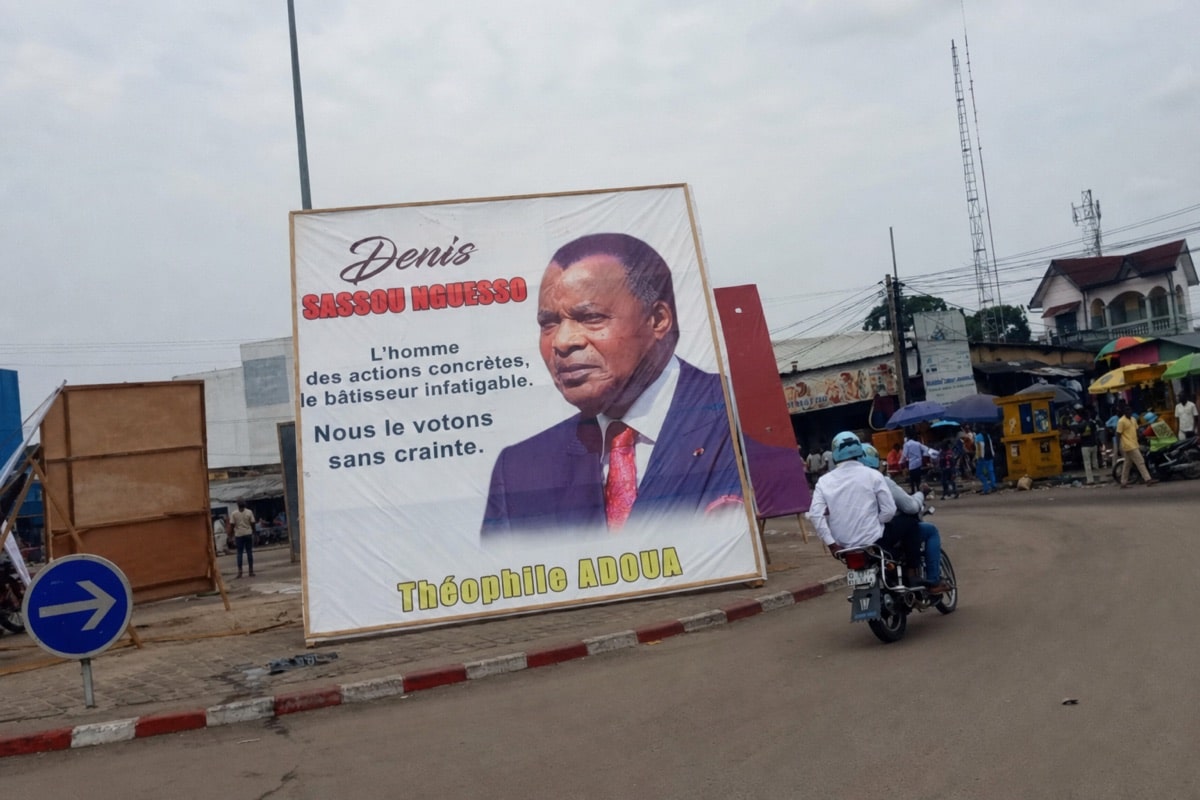
Congo-Brazzaville has entered the final stretch before its presidential election of 15 March, a moment when the campaign’s energy and the public’s expectations converge on a single date.
The contest carries a familiar central figure. Denis Sassou Nguesso is seeking a fifth consecutive term, a candidacy that anchors the race and frames much of the debate around it.
He does not stand alone on the ballot. Six candidates face the incumbent, a field that gives the electorate alternatives even as attention concentrates on the long-serving head of state.
A campaign measured by its crowds
One question hangs over these closing days. Whether the campaign is drawing crowds has become a gauge of the contest’s intensity and of how deeply the vote has taken hold among citizens.
Mobilization, in such a race, is read as a signal. The size and warmth of gatherings offer an early, imperfect sense of engagement before any ballot is cast.
For voters and observers alike, the level of participation in the campaign serves as a barometer of the political mood on the eve of the poll.
A divided opposition and the question of surprise
The opposition’s position adds the second open question. Divided, it faces the challenge of whether it can nonetheless produce a surprise on election day.
Fragmentation tends to blunt a challenge, splitting attention and votes among rivals. Against that backdrop, the prospect of an unexpected outcome remains the subject of debate rather than expectation.
The tension between division and ambition defines the opposition’s predicament as the country approaches the vote.
Listening to Congolese voices
To capture this moment, RFI gathered testimonies from Congolese about how they view the election. The exercise turned the spotlight from candidates to citizens and their perceptions of the scrutiny ahead.
Those voices speak to the same uncertainties that frame the race. They weigh the strength of the campaign and the chances of a divided opposition, reflecting the questions that animate the country’s public conversation.
As 15 March nears, the answers remain open, held in the hands of the voters whose perceptions RFI sought to record.