
Parliament Readies Historic Vote on Gas Code
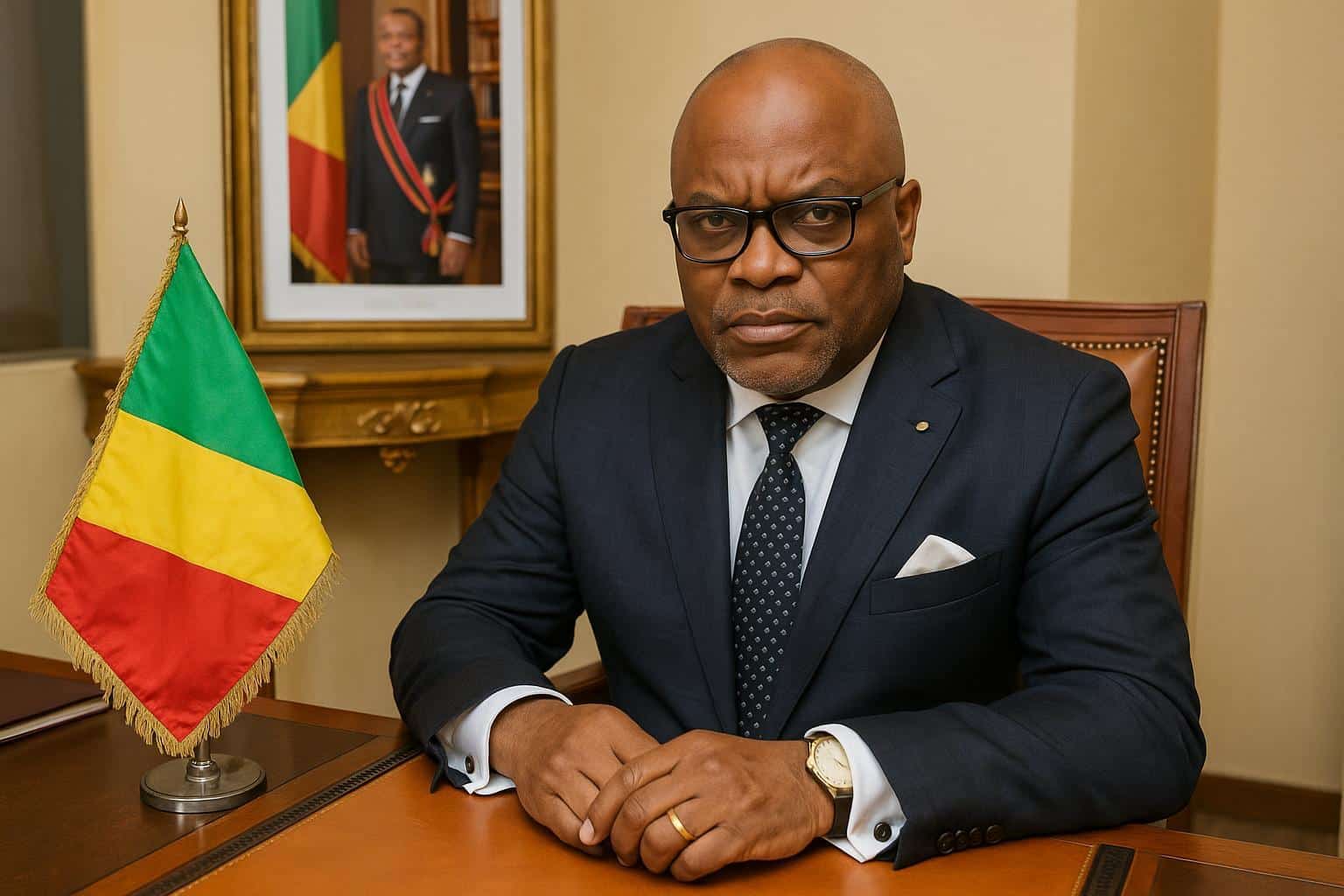
In Cape Town, during African Energy Week, Hydrocarbons Minister Bruno Jean-Richard Itoua disclosed that Congo-Brazzaville’s Parliament is slated to pass a dedicated Gas Code before the month closes, promising a modern legal foundation tailored for exploration, production and domestic valorisation.
Speaking to investors, the minister asserted that the bill integrates international best practice while maintaining national interests, a balance he believes will accelerate project sanctioning timelines and unlock fields long considered marginal by operators.
Investor-Friendly Rules and Taxes Explained
Officials involved in drafting say the code revises royalty structures, offers extended cost-recovery windows and clarifies mechanisms for domestic market obligations. By trimming bureaucratic layers and capping approval delays, Brazzaville intends to lift perceived barriers that once nudged capital toward rival West African jurisdictions.
A senior adviser at the Hydrocarbons Ministry noted that state participation thresholds remain intact, signalling continuity, yet investors gain greater flexibility to monetise associated gas that was historically flared. “We want every molecule to create value,” he said, stressing environmental and fiscal payoffs.
Gas Strategy Underpins Power Security
Natural gas already fuels roughly three-quarters of the country’s electricity, according to the International Energy Agency, making reliability a strategic imperative as urban demand rises. Authorities view abundant reserves as the fastest route to affordable power for households and industry alike.
Minister Itoua framed the code as a pillar of the government’s broader Plan national de développement 2022-2026, which places energy access at the heart of inclusive growth targets. Ongoing projects to convert simple-cycle turbines to combined-cycle technology hinge on uninterrupted gas supply.
FLNG Nguya Positions Congo in Global LNG Club
The 2024 start-up of Eni’s floating liquefaction unit, FLNG Nguya, off the coast of Pointe-Noire, marked Congo’s entry into the elite group of African LNG exporters. Initial output of one million tonnes per year is forecast to triple by late 2025 as a second train comes online.
Early cargoes have sailed to Europe and Asia, demonstrating the commercial viability of offshore gas previously stranded. Government negotiators point to the swift delivery of the FLNG as evidence that streamlined regulation can translate geological promise into near-term revenue.
From Oil Reliance to Balanced Resource Portfolio
Congo remains Africa’s sixth-largest crude producer, yet leadership recognises that price volatility exposes fiscal planning to shocks. By elevating gas, Brazzaville aims to diversify export earnings while aligning with global calls for cleaner fuels in the energy transition.
Analysts at the CEMAC-based think tank CERAPE observe that regional peers, including Cameroon and Equatorial Guinea, are also chasing gas-to-power schemes. A competitive legal framework could therefore determine which country secures limited floating liquefaction assets and financing.
Upcoming Bid Round Signals Fresh Opportunities
The ministry confirmed that a new licensing round covering both oil and gas acreage will open before year-end, once the Gas Code is enacted. Blocks span ultra-deep plays and near-shore prospects adjacent to discoveries such as Litchendjili and Minsala.
Prospective bidders are expected to weigh Congo’s proven gas reserves, officially estimated at 10 trillion cubic feet, against infrastructure plans that include pipeline interconnections and small-scale LNG facilities to supply regional mining sites.
Stakeholders Welcome Predictable Framework
Eni’s country manager, Giorgio Vicini, praised the clarity offered by the draft law, saying it “sets a reliable baseline for long-term investment decisions”. Chinese firm Wing Wah echoed the sentiment, emphasising that transparent fiscal terms help lenders de-risk multibillion-dollar developments.
Domestic players also see upside. The Association congolaise des fournisseurs de services pétroliers expects an uptick in local content opportunities, ranging from fabrication yards in Pointe-Noire to vocational training programs for emerging gas disciplines.
Central African Gas Hub Ambitions
By leveraging geographic proximity to Atlantic markets and existing subsea infrastructure, officials envision Brazzaville evolving into a logistics and trading hub for landlocked neighbours. Talks with Gabon and the Central African Republic on potential gas swaps are already under way.
Economic planners cite IMF projections that gas revenues could double export earnings within a decade, funding roads, digital networks and climate resilience projects. The forthcoming vote in Parliament is therefore watched not only by energy executives but by citizens hopeful of broader development dividends.