
Pan-African Momentum Behind Brazzaville Diplomacy
Seasoned observers of Central African statecraft have grown accustomed to the quiet persistence with which Brazzaville pursues multilateral influence. The current campaign on behalf of Firmin Édouard Matoko, a former UNESCO Assistant Director-General for Priority Africa and External Relations, exhibits the same blend of discretion and resolve. In late July Foreign Minister Jean-Claude Gakosso embarked on a tightly scheduled circuit of Southern African capitals, brandishing sealed messages from President Denis Sassou Nguesso that urged continental unity in the forthcoming election for UNESCO’s Director-General. According to officials familiar with the démarche, the letters emphasised the importance of a credible African voice at the helm of the Paris-based agency, notably at a time when global education and cultural budgets are under stress (African Union press release, 24 July 2023).
The diplomatic push unfolds against a backdrop of renewed debates about UNESCO’s strategic mandate. African member states, which collectively represent nearly one quarter of the organisation’s voting weight, have long called for a leadership that can reconcile heritage conservation with the developmental imperatives of the Global South. Brazzaville’s overture, therefore, resonates beyond pure national ambition; it taps into a continental narrative that seeks greater ownership of the normative agendas crafted in multilateral fora.
Southern African Capitals Hear Brazzaville’s Call
Beginning in Luanda on 21 July, Minister Gakosso met Angolan counterpart Téte António and secured a joint communiqué underlining the “historic need for an African consensus” in the UNESCO race. Analysts in Luanda note that the gesture dovetails with SADC’s own 2024–2028 Strategic Plan, which identifies cultural industries as a growth vector (SADC secretariat communiqué, 22 July 2023).
Subsequent stops in Windhoek, Gaborone and Maputo followed the same choreography: closed-door talks with heads of state or foreign ministers, ceremonial exchanges of gifts reflecting intangible heritage, and short press briefings that avoided any note of confrontation with other declared contenders. The tour’s penultimate leg in Harare proved symbolically charged; Zimbabwean President Emmerson Mnangagwa publicly recalled Matoko’s support for regional literacy projects during his UNESCO tenure, framing the Congolese candidate as “already an insider to Southern African aspirations”.
Mauritius Meeting Signals Regional Consolidation
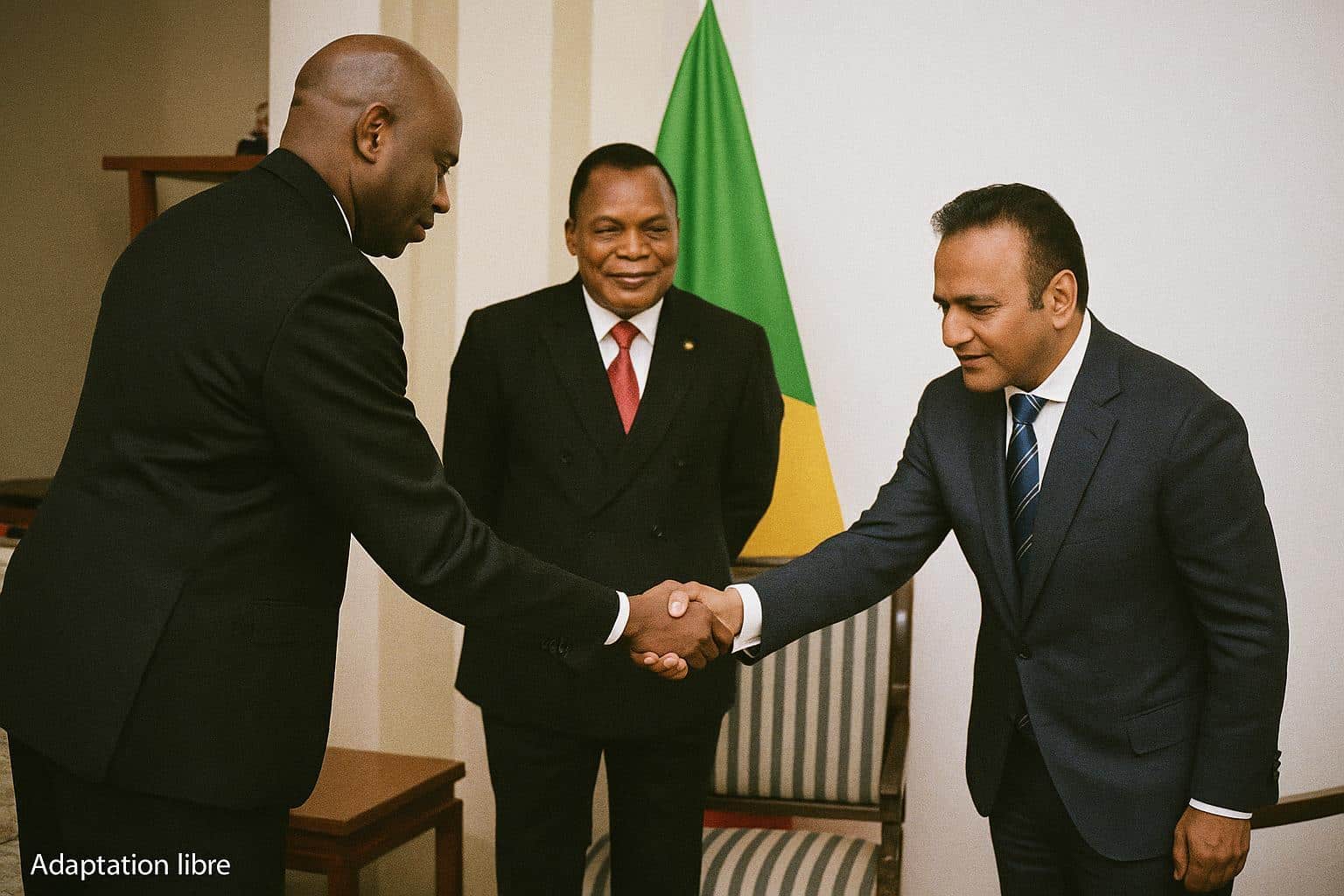
The final African stop, Port-Louis, furnished more than picturesque optics. President Dhananjay Ramful received Minister Gakosso at the State House on 25 July. Sources within the Mauritian foreign ministry describe the conversation as “forward-looking,” focused on the blue economy and the safeguarding of underwater cultural heritage—an area where Mauritius seeks greater normative clarity after the recent advisory opinion on the Chagos Archipelago (Mauritian Foreign Service briefing, 26 July 2023). By presenting Matoko as a facilitator of small-island expertise within UNESCO’s Intergovernmental Oceanographic Commission, Brazzaville’s envoys appeared to seal another piece of the continental puzzle.
Diplomats following the tour note that none of the Southern African leaders publicly endorsed alternative African aspirants, suggesting a tacit willingness to coalesce around Matoko if wider consultations converge. A senior official from the AU Commission, speaking on background, characterised Gakosso’s itinerary as “a lesson in respectful shepherding of consensus”.
Anticipating West and Central African Engagements
The baton now passes to Prime Minister Anatole Collinet Makosso, who is scheduled to commence a second wave of visits on 27 July, starting in Libreville before proceeding to Abidjan, Abuja, Ouagadougou, Monrovia and Djibouti. Government insiders say the sequencing is deliberate: by first securing positive atmospherics in the south, Brazzaville positions itself to present Matoko as the candidate most likely to avoid a fragmented vote in the AU Executive Council, where procedural endorsements often sway smaller delegations.
Regional pundits in Abidjan suggest that Côte d’Ivoire, itself once home to UNESCO headquarters during civil-war evacuations, could emerge as an intellectual ally. Nigeria, guardian of the largest African voting bloc at UNESCO, will likely weigh intra-ECOWAS dynamics before committing, though Abuja’s foreign ministry officials privately cite Matoko’s Francophone-Anglophone fluency as an asset.
Matoko’s Profile and UNESCO Reform Stakes
Beyond tactical lobbying, the personal trajectory of Firmin Édouard Matoko offers Brazzaville a narrative of tested stewardship. During his decade as Assistant Director-General, he orchestrated the Operational Strategy for Priority Africa 2022–2029, championing cross-border university networks and the restitution of artefacts to African museums (UNESCO Executive Board minutes, April 2024). His supporters argue that such experience positions him to mediate between donor expectations and developing-country urgencies in the organisation’s next Medium-Term Strategy.
Critics, meanwhile, caution that UNESCO’s leadership has historically oscillated between power politics and professional competence, hinting that endorsements from major financial contributors will remain decisive. Yet even sceptics concede that a cohesive African front would provide Matoko with an indispensable springboard when canvassing non-aligned votes in Latin America and South-East Asia.
Balancing Multilateral Ambitions With Continental Unity
For the Republic of Congo, the campaign serves additional functions. It burnishes the country’s image as a consensus-builder after its notable mediation roles in the Central African Republic and the Republic of Chad. Domestically, it showcases institutional continuity: the foreign minister opens the diplomatic waltz, the prime minister sustains the rhythm, and the presidency supplies the score, all in a display of orchestrated governance that observers describe as “methodical yet unshowy.”
Whether this choreography culminates in a successful election next year remains uncertain, but the early tempo suggests that Brazzaville has internalised an often-forgotten axiom of multilateral politics: legitimacy is seldom claimed; it is patiently assembled. By stitching together regional sympathies on the southern rim of the continent before venturing westward, Congo-Brazzaville is betting that unity, once achieved, could turn a continental aspiration into a global appointment.