
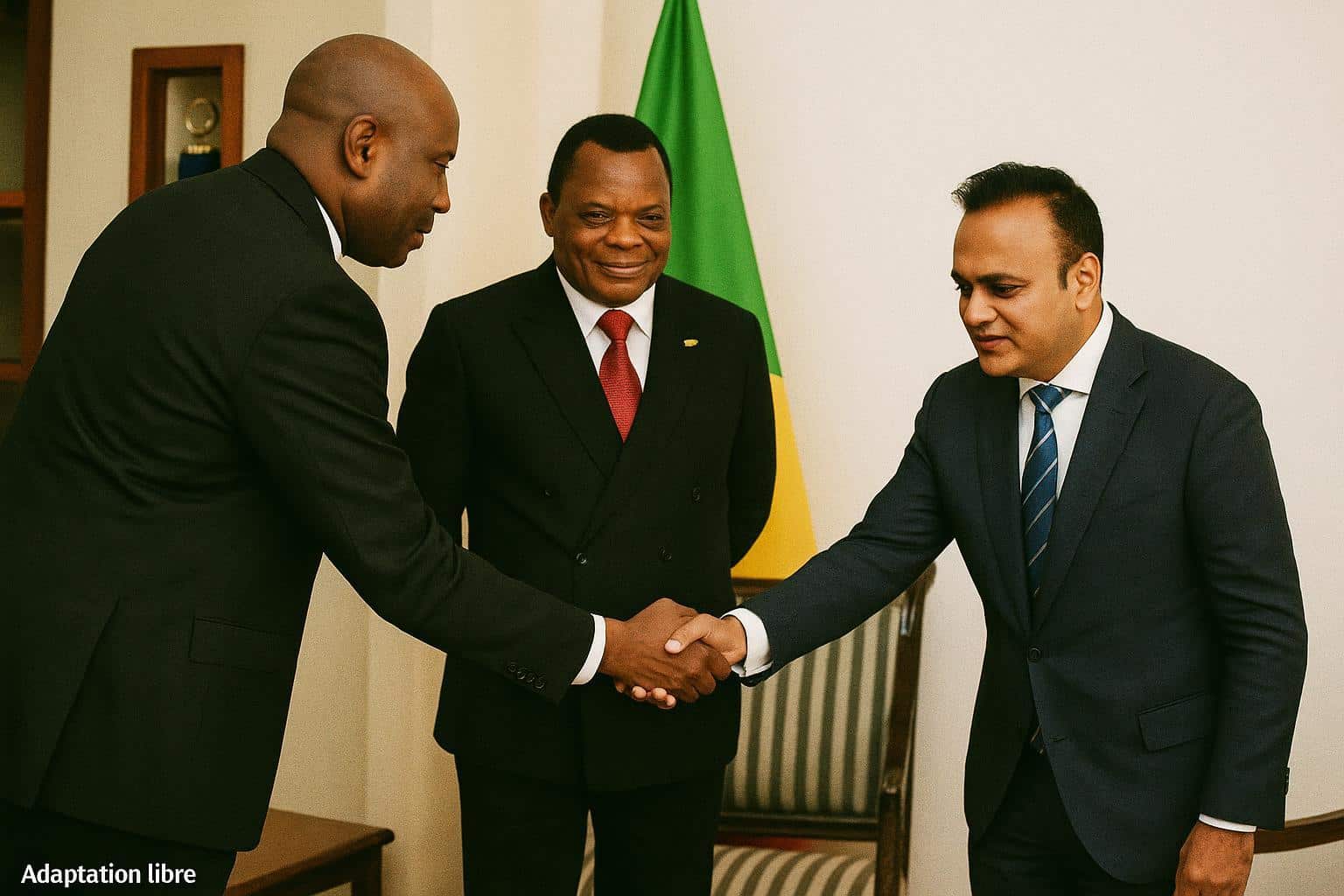
Continental Stakes of a Paris Mandate
The election of a new Director-General of the United Nations Educational, Scientific and Cultural Organization in 2025 may appear a distant Parisian ritual, yet for many African capitals it is already a matter of strategic positioning. Firmin Édouard Matoko, a seasoned Congolese who has managed UNESCO’s Priority Africa portfolio since 2018, officially declared his candidacy in early July. In Bangui and Addis Ababa alike, his bid is interpreted as an opportunity to reinforce the continent’s voice in normative debates about cultural restitution, digital learning and climate-sensitive heritage. Against that backdrop, Brazzaville has embarked on what one diplomat called an “itinerant summit” across Africa, determined to articulate Matoko’s technocratic record with a broader conversation on multilateral equity (UNESCO official biography, 2024).
Brazzaville’s Diplomatic Choreography
Foreign Minister Jean-Claude Gakosso presides over the choreography. His instructions, insiders say, are unmistakable: engage early, avoid polarisation, and anchor every bilateral encounter in a narrative of shared ownership of UNESCO’s future. Gakosso’s dispatches emphasise President Denis Sassou Nguesso’s long-standing call for a more influential African agency inside the UN ecosystem, dating back to Congo’s tenure on the Security Council in 2006. In practical terms, that translates into carefully sequenced visits, calibrated talking points and a determination to frame the candidacy as pan-African rather than exclusively Congolese. Officials close to the file point to the discrete involvement of the Congolese Agency of International Cooperation, whose analytical units supplied host governments with comparative matrices detailing Matoko’s managerial milestones alongside UNESCO benchmarks.
Southern African Leg
The ministerial caravan left Luanda on 21 July, traversing Angola, Namibia and Mozambique before reaching Port-Louis four days later. In Luanda, President João Lourenço, whose country chairs the Southern African Development Community this year, welcomed Gakosso’s overture with what observers described as “cautious enthusiasm” (African Union communiqué, June 2024). Namibia’s vice-president Netumbo Nandi-Ndaitwah credited Matoko’s stewardship of UNESCO’s Africa Department for helping Windhoek secure climate-research grants for coastal zones. In Maputo, cultural minister Eldevina Materula highlighted the candidate’s sensitivity to Lusophone issues, a remark that underlines the campaign’s multilingual register.
Mauritian Interlude and Oceanic Optics
Mauritius constituted the finale of the southern tour, yet its symbolism outweighed its modest electoral weight on UNESCO’s Executive Board. President Dhananjay Ramful received Gakosso in the colonial-era State House overlooking Port-Louis harbour, stressing the island’s ambition to become an Indian Ocean hub for digital heritage preservation. For Brazzaville, the Mauritian stop allowed the delegation to highlight Matoko’s advocacy of small-island developing states, a constituency often overshadowed by continental giants. A communique released after the talks insists on the candidate’s intention to converge UNESCO’s bio-sphere reserve agenda with emerging blue-economy frameworks (Mauritian State House release, 25 July 2024).
Next Steps Across the Gulf of Guinea
With the Southern African swing completed, the baton passes to Prime Minister Anatole Collinet Makosso, who on 27 July embarks on a tour spanning Gabon, Côte d’Ivoire, Nigeria, Burkina Faso, Liberia and Djibouti. The choice of itinerary is instructive. Abuja and Abidjan command influence within the ECOWAS bloc, while Libreville and Djibouti bridge Central and East African voting groups. Government sources describe this upcoming phase as less of a road-show and more of an effort to translate verbal endorsements into written pledges submitted to the African Union coordination mechanism before the UNESCO Executive Board convenes next spring.
Regionalism and Multilateral Synergies
Beyond the numbers game, Congo’s diplomats are articulating a vision that intertwines regional solidarity with multilateral pragmatism. By foregrounding Matoko’s administrative expertise rather than his nationality, Brazzaville echoes a growing sentiment that leadership of specialised UN agencies should rotate without abandoning merit. Analysts at the Institute for Security Studies note that such an approach helps avoid the perception of bloc politics that hampered previous African bids for the World Trade Organization (Congo Ministry of Foreign Affairs dispatch, 27 July 2024).
Crucially, the campaign dovetails with domestic policy. Congo’s National Development Plan 2022-2026 earmarks educational technology and creative industries as priority sectors. A Director-General sympathetic to those themes could facilitate technical cooperation and grant-making pipelines. While no African candidacy can claim guaranteed success, Brazzaville’s methodical engagement illustrates how middle-size states may leverage soft power to punch above their demographic weight in multilateral forums.