
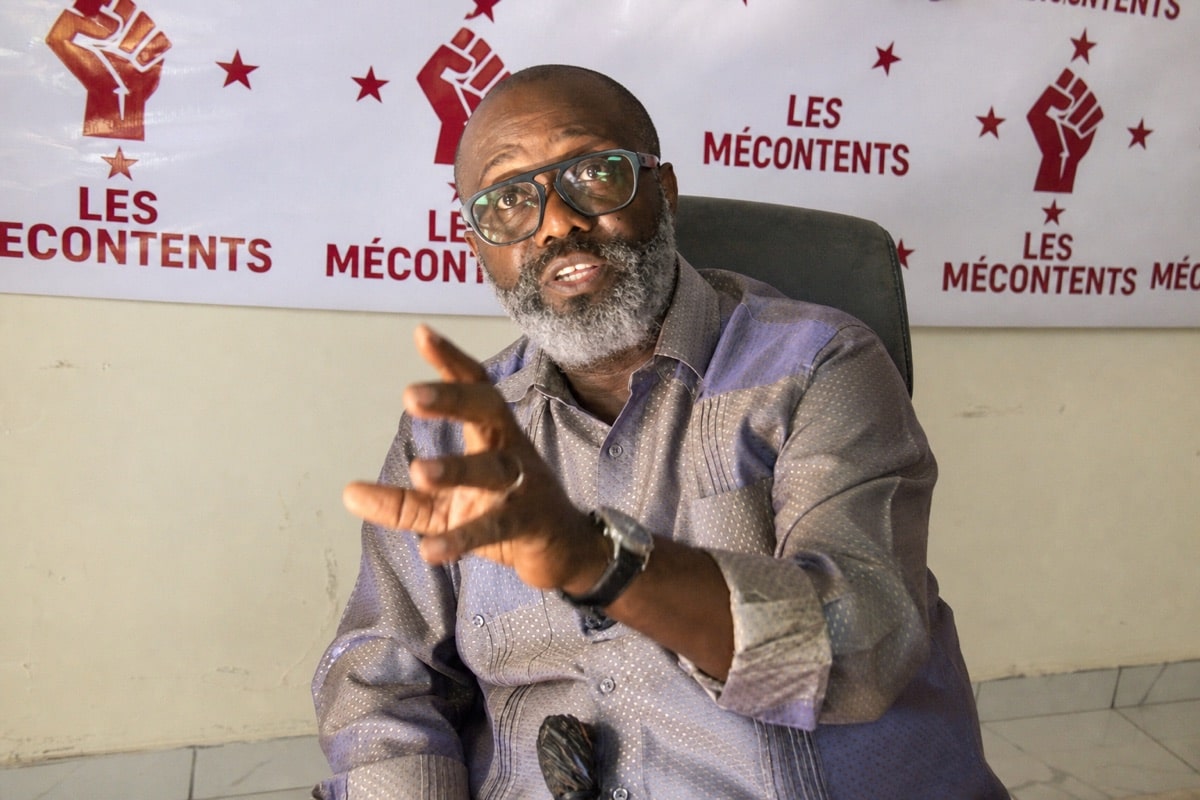
After the provisional official results of the presidential election were released on the evening of Tuesday 17 March 2026, one of the seven candidates chose to break his silence and challenge the way the vote had unfolded.
A Candidate Steps Out of Silence
Vivien Romain Manangou, who stood among the seven contenders, waited several days before reacting publicly. In a message delivered on Friday 21 March, he described the ballot as marred by numerous shortcomings.
His decision to speak after the figures had been published gave his words a deliberate weight. Rather than reacting in the immediate aftermath, he framed his criticism as a considered assessment of the process.
The tone was unambiguous. Manangou stated that “many defects tainted the presidential election,” setting his account against the official narrative of a completed and announced result.
The Grievances He Laid Out
At the heart of his complaint was a question of access. Observers from his camp, he said, were “chased” from polling stations in Pointe-Noire and Brazzaville, two of the country’s principal urban centres.
He also pointed to a refusal to share the official tally sheets. Without those documents, he argued, no independent verification of the results was possible, leaving his team unable to scrutinise the count.
Beyond the polling stations, Manangou described a wider environment he saw as skewed. He cited administrative bias, the absence of any ceiling on campaign spending, and a lack of media fairness across the contest.
His list extended further still. He raised allegations of corruption, deliberate communication cut-offs, and the denial of campaign travel passes to certain candidates seeking to move freely during the race.
A Contest He Could Neither Confirm Nor Deny
Manangou was careful about the limits of his own position. Lacking the documentation he had sought, he said he could neither confirm nor refute the official outcome that had been declared.
That caution is notable. Rather than claiming victory or asserting a specific alternative count, he anchored his protest in the process itself, in what he portrayed as a denial of the means to check the numbers.
The distinction matters. His argument rests not on a rival result but on the integrity of the procedures, a framing that shifts attention toward how the election was conducted rather than what it produced.
Turning Discontent Into Organisation
For all his criticism, Manangou also looked forward. He praised his supporters, whom he calls “the dissatisfied,” and signalled an intention to give that sentiment a lasting political form.
He pledged to organise them into what he described as a credible political force, one capable of offering genuine democratic alternatives. The language suggested ambitions reaching beyond a single disputed ballot.
That promise reframes the moment. The contested election becomes, in his telling, a starting point rather than an endpoint, a catalyst for building a structured opposition with a defined purpose.
What the Episode Signals
Manangou’s intervention illustrates the tensions that can follow a closely watched vote. His grievances touch on observation, transparency, financing and media access, each a recurring theme in debates over electoral fairness.
By grounding his case in the refusal of access to official records, he placed verification at the centre of the dispute. The absence of those documents, in his account, undermines confidence in the declared result.
Whether his pledge to organise “the dissatisfied” yields a durable movement remains to be seen. For now, his statement stands as a pointed challenge to the conduct of the March 2026 presidential election.