
New Year Address sets electoral tone
Denis Sassou N’Guesso’s televised New Year address, heard in every department from Kouilou to Likouala, set the tone for 2024 by naming the upcoming presidential, legislative and local polls as a collective test of maturity and peace. The speech quickly drew reactions across academia, business and civil society.
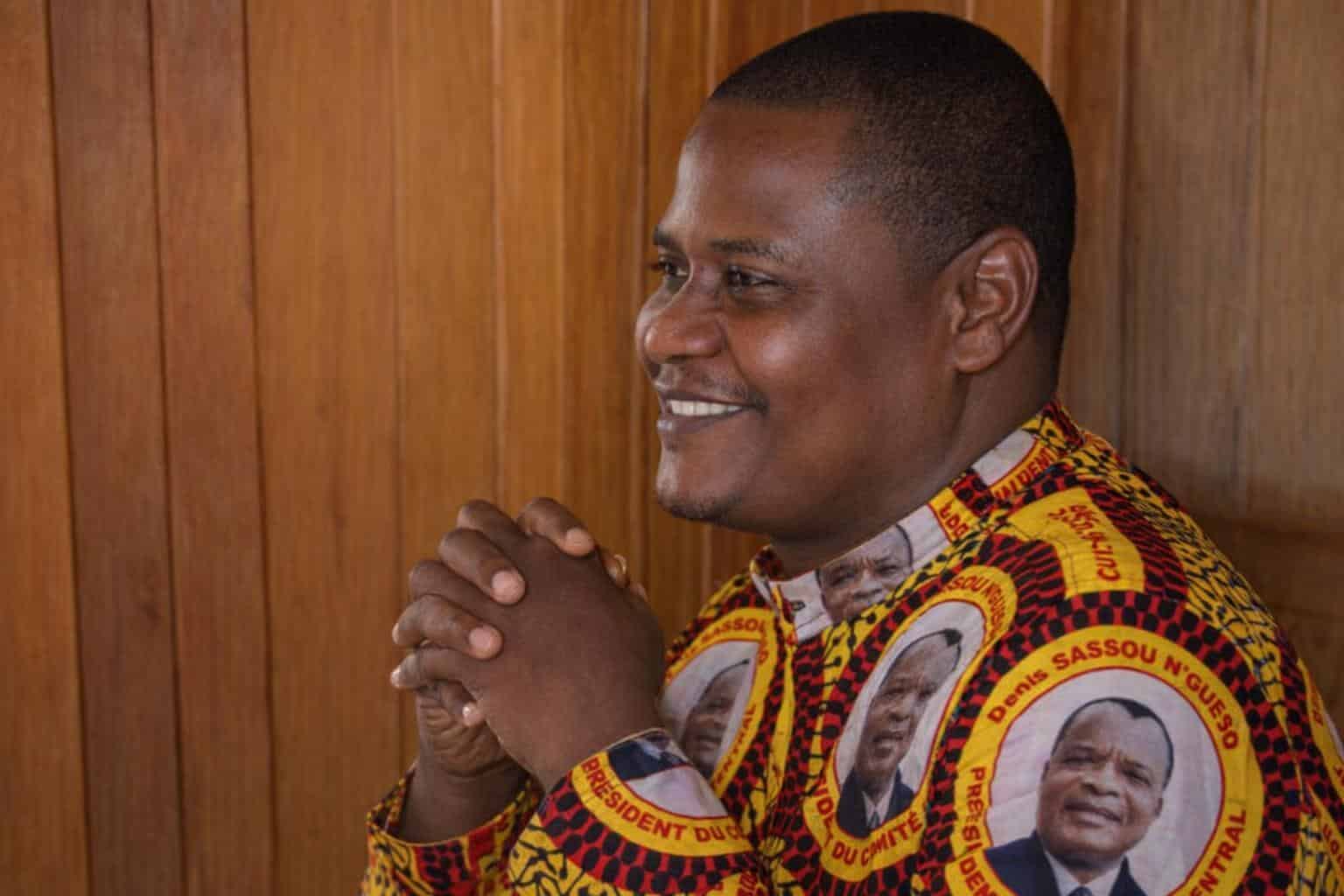
Among those voices, Roch Bredin Bissala Nkounkou, lecturer in virology at Marien-Ngouabi University and recent entrant to the Congolese Labour Party’s central committee, delivered a carefully worded statement that praised the head of state for, in his words, “awakening the national conscience” ahead of a sensitive electoral cycle.
Academic voice amplifies unity appeal
Speaking to reporters after an Association Goma Tsé-Tsé Telema meeting in Brazzaville’s Poto-Poto district, the young academic argued that elections should be “a lever for strengthening our living together”, not “a battlefield of hatred”. His comments echoed themes the president has emphasised since the 2021 national dialogue sessions.
In a country where turnout often tops sixty percent, yet campaign rhetoric can harden quickly, Bissala Nkounkou insisted that preserving calm is indispensable. He called peace the “oxygen of development”, warning that without it no industrial project, fiscal reform or social programme announced in the budget would flourish.
Peace framed as engine of development
The presidential press office has not released turnout projections, while the Independent National Electoral Commission finalises the voters’ register. Analysts expect over two million citizens to be eligible in March. The virologist therefore urged parties across the spectrum to prioritise civic education on voting procedures.
Beyond logistics, Bissala Nkounkou placed symbolism at the heart of his plea, noting that the Congolese flag “belongs to no single camp”. His remarks recalled the historic 1992 inaugural democratic election, a reference likely to resonate with older voters who remember both the promise and the fragility of that era.
Security, economy hinge on stability
The government, for its part, has reiterated a zero-tolerance stance toward violence. Interior Minister Raymond Zéphirin Mboulou told public radio last week that security forces would act “with impartiality and firmness” to secure polling stations. Human-rights groups acknowledged the pledge while encouraging respectful engagement between officers and community monitors.
Economists tracking the oil-backed recovery say stability could lure fresh foreign investment, especially into Pointe-Noire’s petrochemical zone and the planned Oyo SEZ. They cite 2023’s 3.2 percent growth as proof that sentiment responds quickly to clear signals on governance, transparency and public order.
Civil society readies for transparent vote
Civil society has begun to coordinate observation missions. The Centre d’Actions pour la Développement has announced training workshops in Dolisie and Impfondo on conflict-sensitive reporting. According to programme lead Armelle Mahoungou, “our goal is to document examples as much as incidents, so communities see themselves as actors in peaceful elections.”
Some opposition leaders, while saluting the president’s message, request an updated code of conduct among parties. They propose televised debates moderated by the High Council for Freedom of Communication to replace inflammatory rallies. Government sources say the idea is under study, pending logistical and budget assessments.
Young voters born after the 2002 peace accords comprise a fifth of the current register and are notoriously active on social networks. Bissala Nkounkou encouraged influencers to “turn likes into votes” by disseminating accurate information about deadlines, rather than rumours. Officials at the Youth Ministry say partnerships are forthcoming.
For observers, the virologist’s prominence illustrates a broader trend: professional associations are stepping beyond technical domains to influence public debate. Whether engineers speaking on infrastructure or doctors on health budgets, they share an argument that stable institutions foster sectoral progress, whereas uncertainty delays laboratories, clinics and factories alike.
Inside the ruling party, senior figures welcomed Bissala Nkounkou’s enthusiasm. One strategist said the central committee needs “fresh perspectives anchored in academia” to engage urban youth. Independent commentators noted that elevating technocrats can signal openness, provided party structures maintain space for dialogue with trade unions, churches and minority ethnic groups.
Regional consistency and final outlook
Electoral preparations continue against a regional backdrop marked by debates on term limits and constitutional order. Congo-Brazzaville’s partners inside CEMAC have privately praised Brazzaville for scheduling polls within constitutional timelines, according to diplomatic sources. Analysts suggest such consistency could bolster the sub-region’s image among credit-rating agencies and donors.
Ultimately, Bissala Nkounkou’s message sought to weave individual responsibility into the national conversation begun by the president. “Each ballot peacefully cast is a brick in the republic we share,” he told attendees, before inviting applause for what he described as the head of state’s “roadmap toward inclusive progress in 2024.”
With three months remaining until polling day, the emphasis on calm, participation and unity appears set to frame every campaign speech. Whether that narrative endures through canvassing, social media skirmishes and last-minute alliances will test the very conscience that both the president and the virologist have now invoked.