
Workers call for fleet renewal at STPU
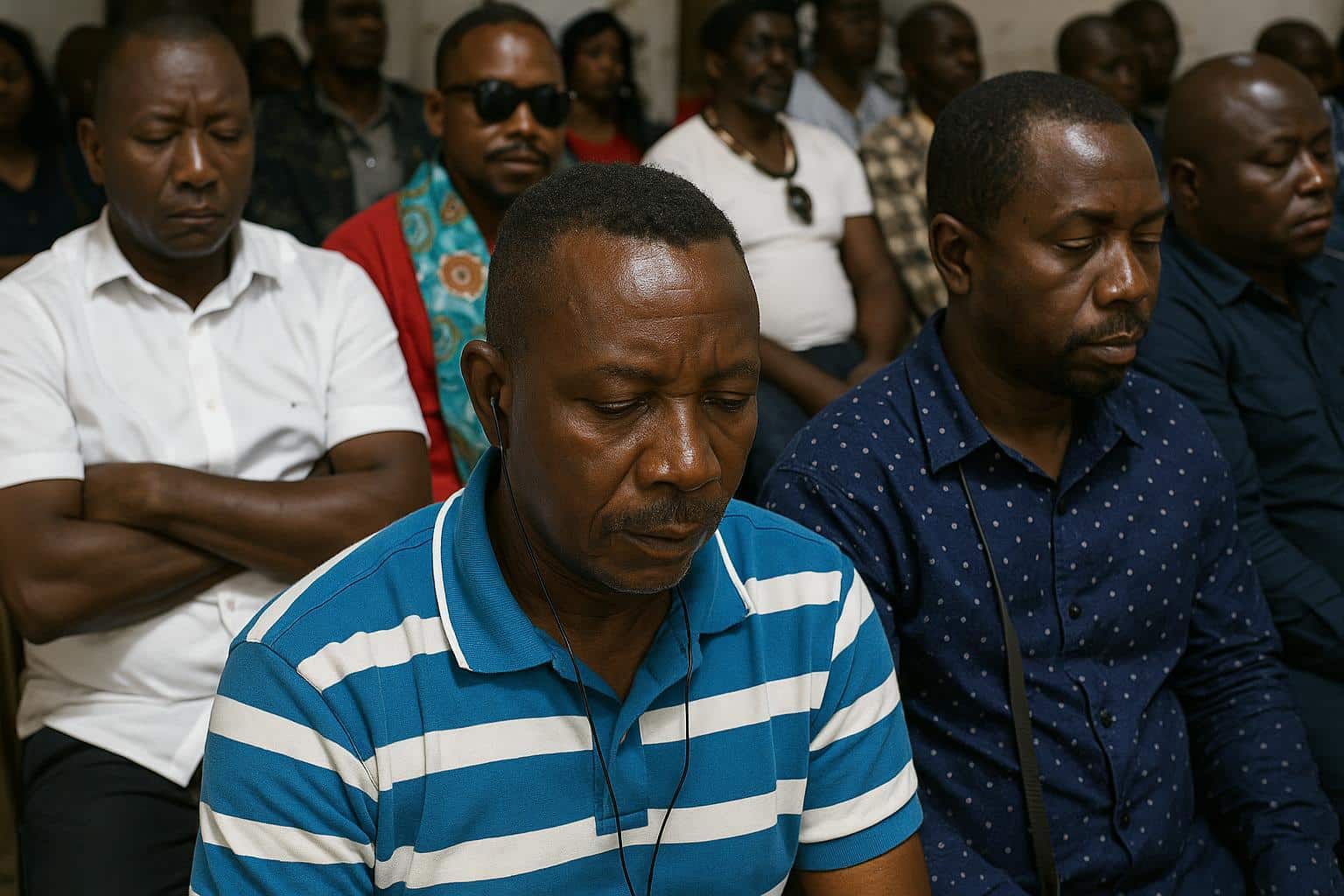
On 4 December in Brazzaville, employees of the state-linked Société de transport publics urbains gathered outside the depot to read a declaration framed by the Collectif des syndicats des transporteurs en commun du Congo. Their central demand: a rapid overhaul of the company’s aging urban bus fleet.
Union representatives argued that many buses purchased more than a decade ago now sit immobilised for want of spare parts, forcing commuters onto informal minibuses. “With a refreshed fleet, revenue can rise and the company recovers,” said one delegate, speaking under condition of anonymity.
Salary arrears and retirement law 48-2024
The staff statement also pressed for payment of at least five months of outstanding wages, saying delayed salaries have pushed families into debt. Workers claim they keep services running on goodwill even during fuel shortages, yet face difficulty affording school fees and rent.
Salary arrears, they note, compromise safety. Mechanics, often paid daily allowances, hesitate to work overtime on faulty vehicles without assurance of remuneration. Drivers say parts purchased on credit are harder to obtain because suppliers mistrust a company perceived as cash-strapped.
Beyond immediate wages, the declaration cites Law 48-2024 of 30 December 2024, which raises the statutory retirement age for private-sector employees. Staff want STPU to align its human-resource planning and pension calculations with the new text without penalising workers approaching previous thresholds.
Social security, health coverage, redundancy rights
They insist future pay slips clearly reflect contributions transferred to the Caisse nationale de sécurité sociale, saying many do not see amounts deducted each month matched in their CNSS accounts. Accurate records, they contend, will safeguard pensions once they leave the workforce.
Medical coverage is another sticking point. The internal regulation provides for company funding of workplace injuries and certain chronic ailments, yet workers report delays in reimbursements at clinics. They ask management to adopt a transparent health plan consistent with the National Health Development Programme.
For ex-employees retrenched between 2015 and 2018, unions demand settlement of collective dismissal benefits. Some former ticket agents claim they still await termination letters needed to unlock savings. The CSTCC calls the issue a lingering liability that prevents reconciliation and potential rehiring under future expansion.
Request for parliamentary oversight on management
To clarify responsibility, union leaders request a parliamentary inquiry into the firm’s governance since service resumed on 11 August 2025 following a restructuring phase. They believe lawmakers could audit budget allocations, procurement procedures and payroll, then recommend administrative adjustments without paralysing operations.
The motion for legislative oversight echoes previous hearings granted to other state-owned entities. In those cases committees compared management contracts against performance indicators. Workers say a similar exercise at STPU would highlight why spare-parts inventories declined even as maintenance votes were released each quarter.
Government channels and possible timeline
Management has not publicly rejected the grievances. Contacted by phone, a senior official said the board is ‘examining viable financing avenues’ and noted that talks continue with the Ministry of Transport on a phased fleet renewal relying on concessional credit lines.
The official added that delays in salary payments derive partly from late disbursement of state subsidies earmarked for social fares. Treasury settlement of STPU securities, expected this fiscal year, could improve liquidity once completed, he argued, without giving a precise calendar.
Sector analysts observe that urban mobility demand in Brazzaville is rising faster than planned, stretching a fleet originally configured for 2010 traffic levels. They warn that if buses remain off the road, citizens will migrate further toward informal motorcycle taxis, eroding fare revenue.
Yet labour experts highlight that morale can be as critical as equipment. “When workers go unpaid, breakdowns multiply because routine checks are skipped,” noted a lecturer at Marien-Ngouabi University, adding that transparent payroll systems may cost less than emergency repairs.
Stakeholders therefore view the present standoff as a chance to recalibrate. A negotiated schedule that clears arrears, secures pension data and sets benchmarks for new bus arrivals could, they say, stabilise the company ahead of regional transport integration projects.
Until then, STPU employees plan to maintain normal services, but union officials caution that patience has limits. Should dialogue stall, they might consider symbolic stoppages, though they stress the goal remains constructive partnership with authorities to restore reliable urban transit for all.