
Broad Freeze on Green Cards and Naturalizations
The United States has suspended the processing of permanent residence permits and naturalization petitions for nationals of 19 countries, according to a memorandum circulated inside U.S. Citizenship and Immigration Services. The directive takes immediate effect, pausing thousands of cases that had been pending since mid-year.
The order widens restrictions first announced in June and underscores the administration’s contention that America must scrutinize applicants from states considered unstable or inadequately cooperative on security vetting. It applies to all new filings and to interviews that had already been scheduled.
Countries Named in the White House Memorandum
Officials said the policy covers Afghanistan, Myanmar, Chad, the Republic of Congo, Equatorial Guinea, Eritrea, Haiti, Iran, Libya, Somalia, Sudan and Yemen—nations whose citizens have been barred from entry since early summer.
An additional seven countries—Burundi, Cuba, Laos, Sierra Leone, Togo, Turkmenistan and Venezuela—face broader limits on visa issuance under the same memorandum, which was endorsed by Homeland Security Secretary Kristi Noem and relayed to the White House late last week.
Security Narrative Behind the Decision
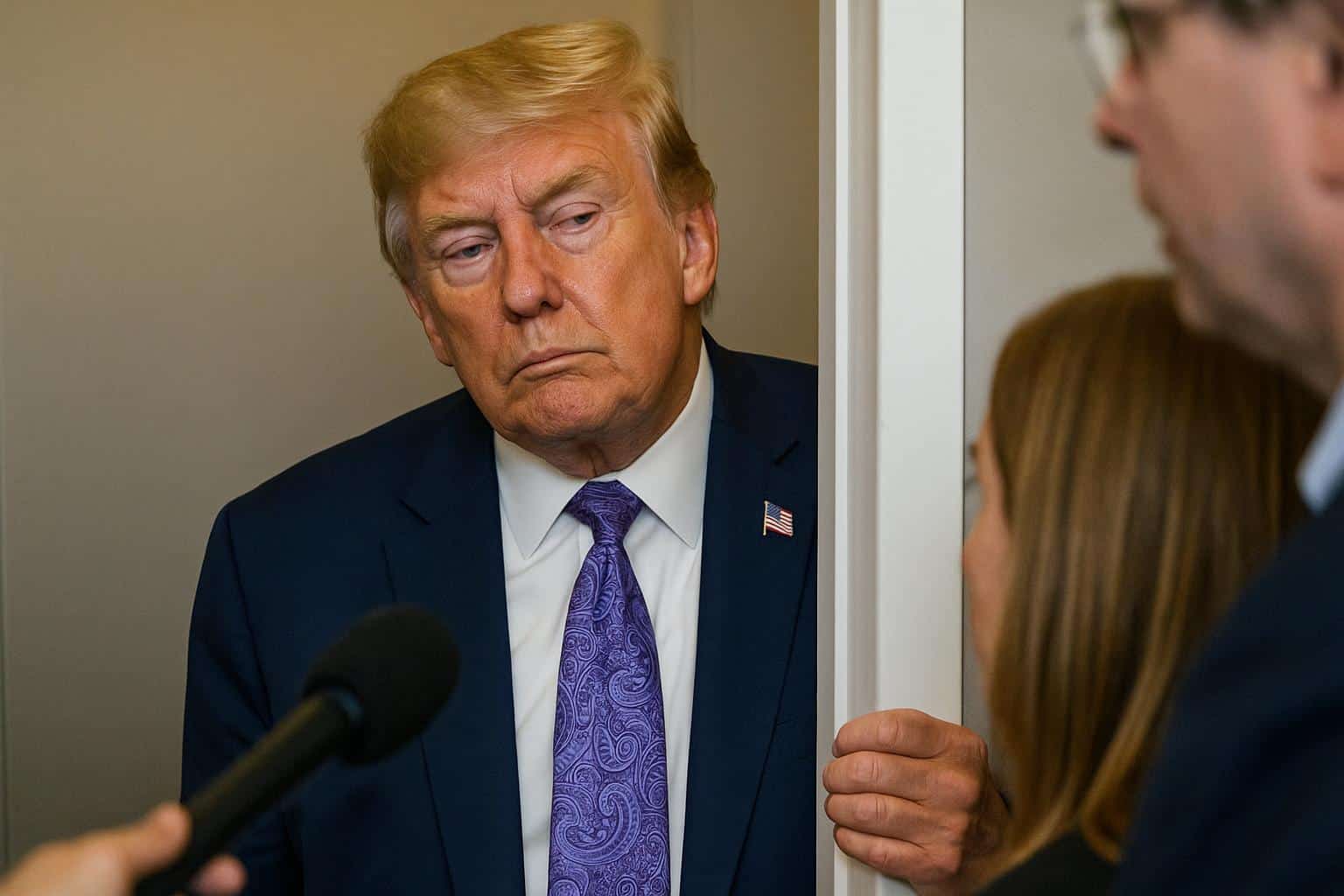
In public comments, President Donald Trump repeated his argument that an ‘invasion’ of dangerous migrants threatens American communities. Citing a late-November assault near Washington attributed to an Afghan national, he said the pause lets agencies recalibrate background checks and share data with foreign partners.
Homeland Security officials say the measure is temporary and will be reviewed every 60 days. They add that processing could restart sooner for countries that upload better biometric data and accept deportees more swiftly.
Critics in Congress question blanket bans, noting most violent-crime arrests involve U.S. citizens. Civil-rights groups plan to contest the memorandum in federal court, arguing it breaches due-process guarantees.
Implications for Congo-Brazzaville Citizens
In Brazzaville, the foreign ministry said it had received formal notice from the U.S. Embassy and was evaluating the administrative impact. According to an adviser, roughly 600 Congolese applications for family reunification or employment-based residence are now on hold.
Government spokesperson Thierry Moungalla told reporters the situation remains under close observation and stressed that bilateral cooperation on security and health continues unaffected. He said, “We respect the sovereign decisions of partners while protecting the dignity of our citizens.”
Local migration lawyers note that work visas such as the H-2B remain technically available, but applicants from Congo-Brazzaville must travel to consulates in neighbouring countries because routine visa services in Brazzaville have been curtailed since the pandemic.
Economic analysts believe the freeze could slightly reduce remittance flows from Congolese expatriates in the United States, currently estimated at 23 million dollars per year by the World Bank. Those transfers support school fees and small businesses across several departments.
Human Stories Caught in Limbo
Marie K., a Pointe-Noire software engineer, said her petition sponsored by a Houston tech firm had cleared all stages except final approval. “I resigned from my job in anticipation,” she explained by telephone. “Now everything is uncertain.”
Across the Atlantic, Dr. William Mampouya, a Congolese physician interning in Minnesota, fears his parents may miss his graduation if tourist visas remain restricted. “We planned this for years; a delay would be heartbreaking,” he explained.
Regional and Diplomatic Reactions
Many of the 19 countries identified share limited capacity to verify civil registries or issue electronic passports. U.S. officials argue that incomplete databases make it harder to spot identities linked to extremist networks or criminal syndicates.
Somalia’s interior ministry responded that such characterisations overlook sustained progress in civil-status reform, while Iranian diplomats called the ban collective punishment. Venezuela, already locked in a sanctions dispute with Washington, summoned the top U.S. envoy in Caracas.
Central African observers interviewed by this newspaper caution against reading the measure as a signal of deteriorating relations with the United States. “It is part of a domestic electoral narrative rather than a bilateral message,” said Alain Nganou, lecturer at Marien Ngouabi University.
In Washington, however, Republican lawmakers applauded the memo, claiming it realigns immigration policy with national-security priorities. Democratic legislators countered that the administration was scapegoating vulnerable populations ahead of the 2024 campaign cycle.
The African Union Commission said it was monitoring the issue and urged member states to engage constructively with U.S. authorities on data-sharing standards. No joint communiqué had been issued by CEMAC capitals as of late Tuesday.
Next Steps and Possible Timelines
Under the memorandum, the first formal review must occur by 31 January. Experts expect the Department of State to assess compliance country by country, after which the White House could maintain, ease or lift the hold without new congressional action.
Until then, Congolese applicants are advised to keep their documentation updated and respond promptly to requests for evidence. Consular sources said cases already approved at the interview stage are unlikely to be revoked, though final printing of green cards is paused.