
Russia diplomacy centenary lights up Moscow
On 24-26 October, the Russian agency Rossotrudnitchestvo turned the spotlight on a century of Russian diplomacy by convening an International Cooperation Forum in Moscow. The capital welcomed more than sixty nationalities for three days of panels, cultural tours and networking.
For many observers, the gathering illustrated Moscow’s ambition to extend its influence through people-to-people exchanges rather than geopolitical headlines. Plenary sessions mapped the arc of Soviet and Russian foreign service, while workshops explored tourism, technology, science and creative industries as vectors of modern soft power.
Among the invitees, two young Congolese professionals, tourism advocate Florian Koulimaya and cultural adviser Émeraude Kouka, carried the tricolour of Congo-Brazzaville. Their experiences offered both a fresh reading of Moscow’s outreach and a mirror for the Republic’s own aspirations in youth policy and cultural diplomacy.
Congolese voices in New Generation programme
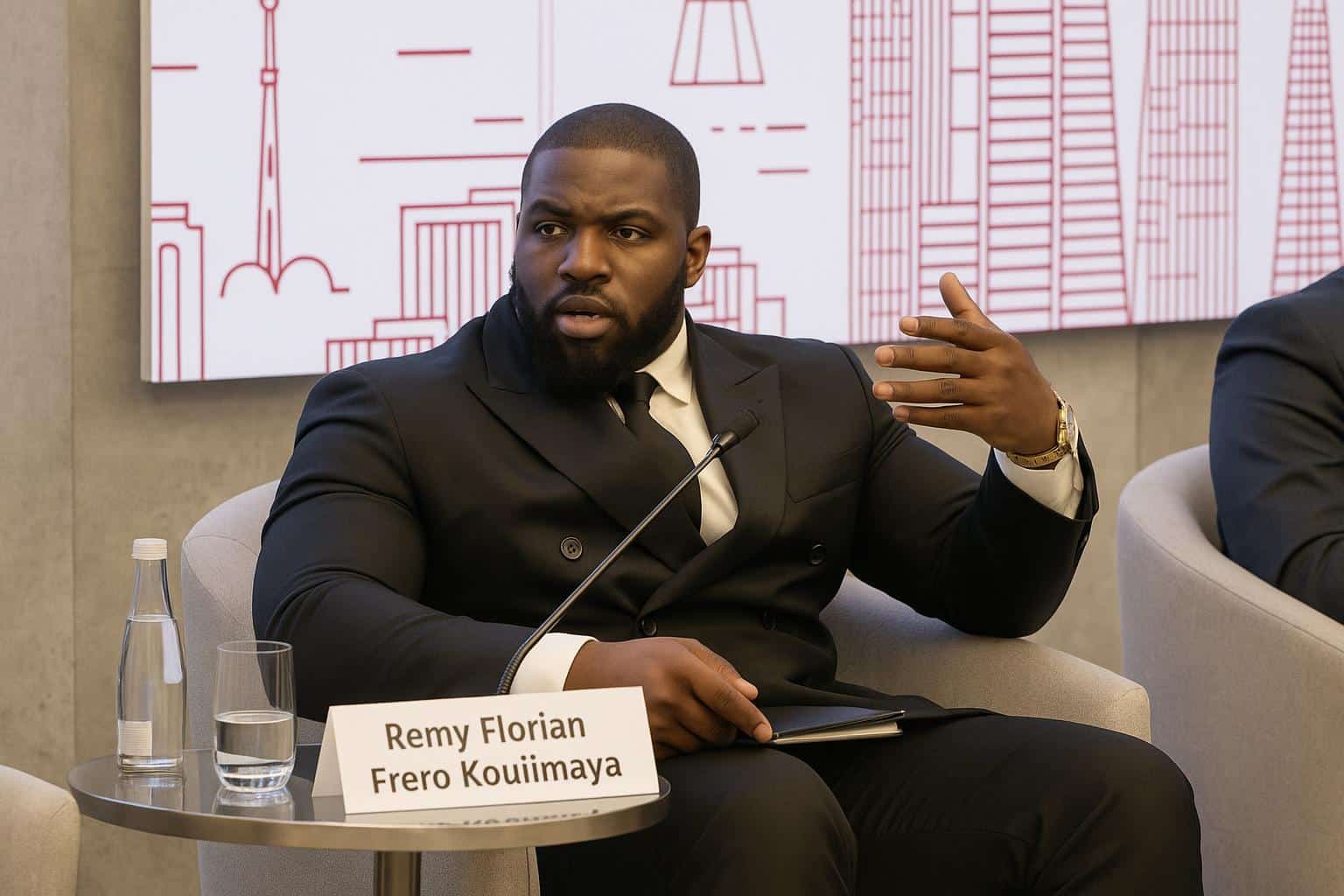
Koulimaya, an alumnus of Russian universities, returned under the flagship New Generation programme, a Rossotrudnitchestvo initiative grooming emerging leaders from the Global South. He joined a panel titled “How tourism can improve a city’s image and benefit its youth”, sharing insights drawn from Brazzaville’s budding urban tourism scene.
“Moscow taught me that a historic metropolis can become a living laboratory for jobs if cultural sites are packaged smartly,” he explained in an interview after the session. He cited the capital’s 400 museums, restored riverbanks and multilingual volunteer corps as evidence of tourism driven inclusivity.
Tourism visions of Florian Koulimaya
Back home, the activist believes public-private alliances could replicate that model around the Congo River waterfront, from the revamped Marché Total to the colonial railway station. “We need safe walkways, digital guides and tax incentives that encourage local crafts,” he told our newspaper with measured optimism.
Koulimaya also noted Moscow’s systematic use of youth as volunteers during mega-events, a practice he feels would resonate in Congo where half the population is under thirty. “Involving students as guides or translators creates ownership and prevents idleness,” he said, urging municipalities to formalise volunteer programmes.
His remarks echo the national development plan adopted by the government, which assigns tourism a strategic role in diversifying revenue beyond oil. By presenting concrete examples from Moscow, Koulimaya offered a grassroots perspective that complements official efforts to brand Congo as a regional ecotourism hub.
Émeraude Kouka decodes cultural soft power
While Koulimaya spoke the language of economics, Émeraude Kouka approached the forum through art. A counsellor for arts and letters at the Ministry of Culture, he immersed himself in Moscow’s galleries, from the Pushkin Museum to avant-garde pop-ups showcasing digital theatre and blockchain-backed creativity.
“I learned to paint a matryoshka, cook blinis with caviar, then dissect how those crafts underpin a national narrative,” he recounted. The hands-on workshops, coupled with virtual-reality city tours, persuaded him that Russia’s cultural soft power rests on accessible experiences rather than distant symbolism.
Kouka was struck by the diversity of delegates, meeting peers from Laos, Malaysia, the Philippines and China. In his view, that mosaic signals Russia’s pivot towards the broader Global South, where cultural bridges may yield diplomatic dividends unencumbered by historic rivalries with Western capitals.
He argues that Congo can benefit by positioning itself as a Francophone gateway to Central Africa for Russian artists, film crews and technology start-ups. “Cultural seasons, joint film festivals or online residencies could activate value chains from Pointe-Noire to Oyo,” he suggested, calling for swift follow-up committees.
Toward pragmatic Congo-Russia partnerships
Both delegates emphasise that their trip was self-contained yet emblematic of a generational tide. Congolese under forty increasingly travel beyond traditional partners such as France, seeking scholarships, seed capital or cultural exposure in emerging Eurasian centres that showcase pragmatic development stories.
The Congolese government has already signed cooperation memoranda with Russian universities and energy firms. Adding culture and tourism to that portfolio strengthens diversification goals without clashing with existing alliances, officials in Brazzaville told us, noting President Denis Sassou Nguesso’s consistent call for “partnerships of mutual respect”.
Analysts interviewed at the forum observed that soft power ventures cost a fraction of infrastructure deals yet generate enduring goodwill. “A single co-produced documentary can shift perceptions more than kilometres of highway,” argued Sergei Kolonitsky, a lecturer at MGIMO, highlighting the intangible return on cultural investment.
Whether Brazzaville can replicate Moscow’s volunteer ecosystem or festival calendar depends on financing and governance. Nonetheless, Koulimaya and Kouka plan to present detailed reports to the ministries of Tourism and Culture, hoping to see pilot projects emerge before the African Union summit scheduled in 2025.
“The forum reminded us that culture and curiosity shorten distances,” Koulimaya reflected as the delegation transited through Istanbul. For Congo, that insight may steer a new chapter of international engagement where museum corridors, student dorms and food fairs sit alongside oil platforms and peacekeeping missions.
As Russia celebrates a century of foreign service, and Congo charts pathways for its youthful majority, the shared lesson from Moscow is clear: diplomacy today thrives not only in ministries but in classrooms, start-up hubs and concert halls where tomorrow’s narratives are quietly rehearsed.