
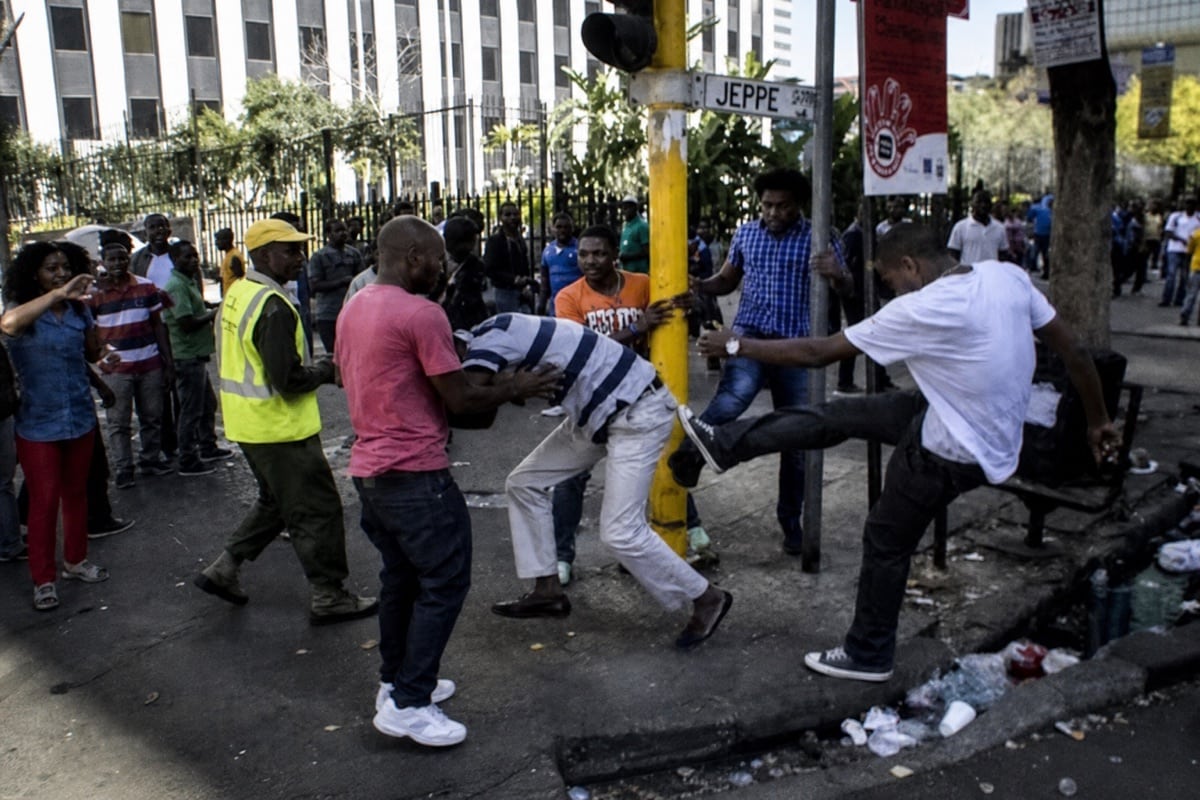
Congo-Brazzaville Steps In as Xenophobic Pressure Builds in South Africa
The government of the Republic of Congo has opened a voluntary return arrangement for its citizens living in South Africa. The measure responds to rising hostility toward foreign communities and a looming deadline that has unsettled migrants across the region.
Anti-immigrant movements have set June 30 as the date by which they want undocumented foreigners to leave the country. The campaign has gathered momentum in recent weeks, and Congolese officials describe a climate that has grown tense for many nationals abroad.
According to the account relayed from Brazzaville, these movements operate with the tacit support of some authorities. That framing matters, because it signals to Congolese families that the pressure is not purely social. It carries, in their reading, a measure of official tolerance.
A Scheme Built Around Choice, Not Coercion
Brazzaville has been careful to define the limits of its initiative. The return is voluntary. Citizens who prefer to remain in South Africa, despite the tensions, are free to do so. The state, officials stress, is offering an exit, not imposing one.
That distinction shapes the entire operation. It positions the government as a facilitator rather than an enforcer. For Congolese who have built lives, businesses or studies in South Africa, the choice to stay or leave remains theirs to weigh against the risks they perceive.
The arrangement targets those who already wish to come home. It does not, in the official telling, seek to empty the Congolese presence in South Africa. The emphasis on consent appears designed to reassure a diaspora that is far from uniform in its intentions.
Central Africans in the Line of Fire
The unease is not confined to one nationality. The reported violence has weighed most heavily on foreign communities from Central and West Africa. Congolese nationals sit within that broader group, exposed to the same suspicion directed at migrants seen as competitors or outsiders.
This regional dimension gives the Congolese decision a wider resonance. When one Central African state organizes a return, neighbors watch closely. The episode tests how governments on the continent protect their citizens far from home, and how quickly they can act.
For Brazzaville, the calculation blends duty and image. A government that reacts visibly to threats against its people abroad sends a domestic signal too. It tells voters and the diaspora alike that the state remains attentive to those who live beyond its borders.
A Diplomatic Test Without Confrontation
What stands out is the restraint of the Congolese posture. The available account frames the move as a protective gesture, not a diplomatic rupture. There is no language of accusation against Pretoria, only a quiet effort to shield nationals from harm.
This caution fits the delicate nature of the situation. South Africa remains a major economic anchor on the continent, and African governments rarely seek open friction with it. A voluntary return scheme lets Brazzaville act decisively while keeping bilateral channels intact.
The approach also avoids overstating the crisis. By offering an option rather than declaring an emergency evacuation, the government calibrates its response to the facts as it presents them. The tone is measured, even as the underlying anxiety is real.
What the June 30 Deadline May Decide
The deadline now functions as a pivot. Until June 30, the threat hangs over migrant communities as a stated intention rather than a confirmed outcome. How authorities and movements behave around that date will determine whether the pressure eases or hardens.
For Congolese nationals, the window before the deadline is a period of decision. Some may seize the offer to return, judging the risk too high. Others may stay, betting that the warnings will not translate into sustained violence against them.
The government’s role, for now, is to keep the door open. The voluntary scheme gives families a concrete fallback, regardless of how the situation evolves. It converts a distant fear into a manageable choice, anchored in the state’s stated readiness to help.
The episode underlines a familiar truth for Congo-Brazzaville and its neighbors. Migration to South Africa carries opportunity and exposure in equal measure. When the balance tips toward danger, the response of home governments becomes a visible measure of their reach.
Brazzaville’s answer, at this stage, is deliberately modest in form and clear in intent. It protects without provoking, and it lets each citizen decide. Whether that proves sufficient will depend on what unfolds as the contested deadline draws near (Les Echos Congo Brazzaville).