
Bangui summit shines spotlight on regional merit
The six presidents of Central Africa’s monetary union left Bangui with more than policy communiqués. During the 16th CEMAC Conference, held inside the opulent Palais de la Reconnaissance, each head of state fastened a grand-commander sash across the deep green of the Community Merit Order.
Behind the cameras, 187 other citizens and partners also joined the roll of honour, bringing the total to 193, according to an official list shared after the ceremony. The unprecedented cascade of decorations signalled a deliberate revival of a tradition adopted two decades ago but rarely applied.
Community orders reborn after long dormancy
CEMAC first enacted the Order of Community Merit and the Order of Community Recognition in 2003, when President Ange Félix Patassé signed the founding texts. Yet the council meant to animate the system never materialised, leaving decorations to occasional summit improvisations.
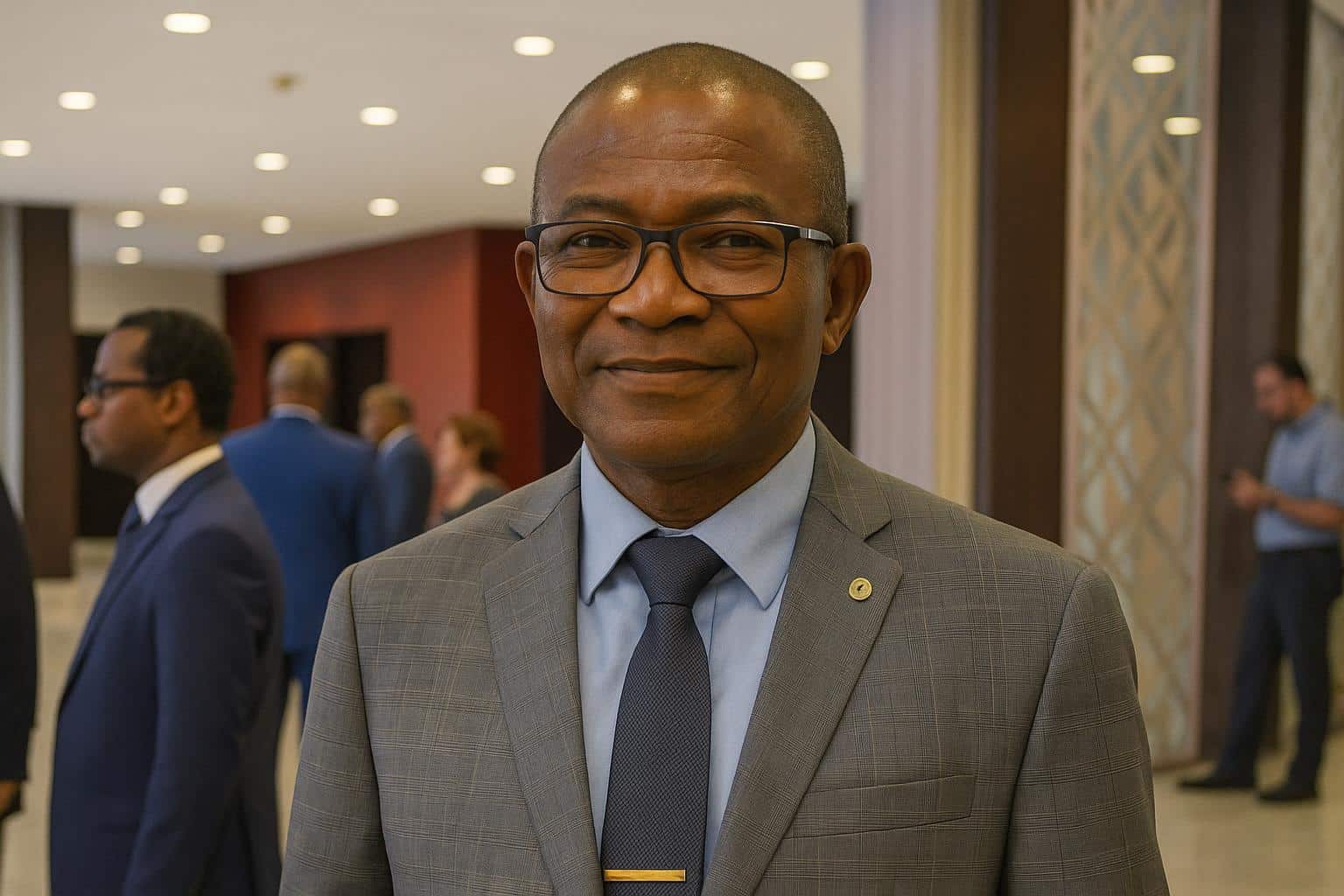
This year’s anniversary provided the political momentum to correct that gap. “The community needed a structured way to encourage its builders,” said Fulgence Likassi-Bokamba, commissioner for Education, Research and Social Development, and himself elevated to commander. “The council is now operational, and the rules have finally been followed.”
Chefs d’État top a diverse honours list
Alongside Congo-Brazzaville President Denis Sassou Nguesso, the leaders of Cameroon, Central African Republic, Chad, Equatorial Guinea and Gabon were proclaimed grand-commanders. Posthumous distinctions went to former presidents Omar Bongo Ondimba and Idriss Déby Itno, underscoring continuity between past architects and present guardians of integration.
Observers noted that financial regulators, parliamentarians, jurists and entrepreneurs also featured prominently. Regional bank BEAC supplied several nominees, while cultural figures received officer and knight grades. Officials said the mix illustrated the union’s intent to reward both high-level diplomacy and grass-roots contribution.
How the council picked 193 names
The new Council of Community Orders consists of one delegate per member state plus representatives from the Community Parliament, the Court of Justice, the Court of Auditors, BEAC and the CEMAC Commission. It met in February and again in July before submitting its shortlist to the Conference.
Governments forwarded their candidates, but council members could also scrutinise files stored at the commission to identify overlooked achievers. The final recommendations were signed by Chadian President Mahamat Idriss Déby, the outgoing chair, and validated by his peers during the Bangui plenary.
Dignities and grades explained
Within each order, two dignities—grand officer and grand commander—stand above three grades: commander, officer and knight. Dignities are reserved for personalities whose impact transcends national borders, whereas grades recognise sustained technical or social input, Likassi-Bokamba explained.
The dual structure mirrors Francophone chivalric traditions, but with a regional twist. Insignia feature the intertwined flags of the six nations and a five-pointed star symbolising free movement, monetary stability and solidarity across the Congo and Ogooué basins.
What happens after Bangui
Because only a symbolic sample could be decorated in person, remaining recipients will receive their medals at flagship events such as CEMAC Day on 16 March or during forthcoming budget sessions. “Regular sessions will follow; the era of sporadic honours is over,” Likassi-Bokamba promised.
The council plans to open a digital portal for nominations, easing access for universities, cooperatives and diaspora networks eager to propose candidates. A modest secretariat budget has been earmarked within the 2024-2025 community programme, according to a draft seen by The Daily.
Implications for regional integration
Analysts view the relaunch of the orders as soft power diplomacy. By celebrating excellence in education, banking or infrastructure, leaders hope to cultivate a shared identity that complements more technical pillars like the single passport and the ongoing tariff union.
In Brazzaville and Douala, business associations welcomed the signal. “Recognition motivates managers who navigate cross-border hurdles daily,” said Congolese logistics executive Mireille Ngoma. Economists add that public praise can bolster citizen confidence in community institutions often perceived as distant.
Voices from inside the commission
Likassi-Bokamba acknowledged past delays but insisted the new mechanism would remain apolitical. “Our criterion is service to integration, nothing else,” he told reporters. Senior protocol officer Jean-Marc Bidoung described the mood in Bangui as “festive yet focused on the heavy tasks ahead.”
For the 193 honourees, the certificate carries no financial reward, yet several said the moral dividend is priceless. As the conference closed, children waved the multicoloured CEMAC flag outside the palace, a reminder that symbolism often travels faster than policy.