
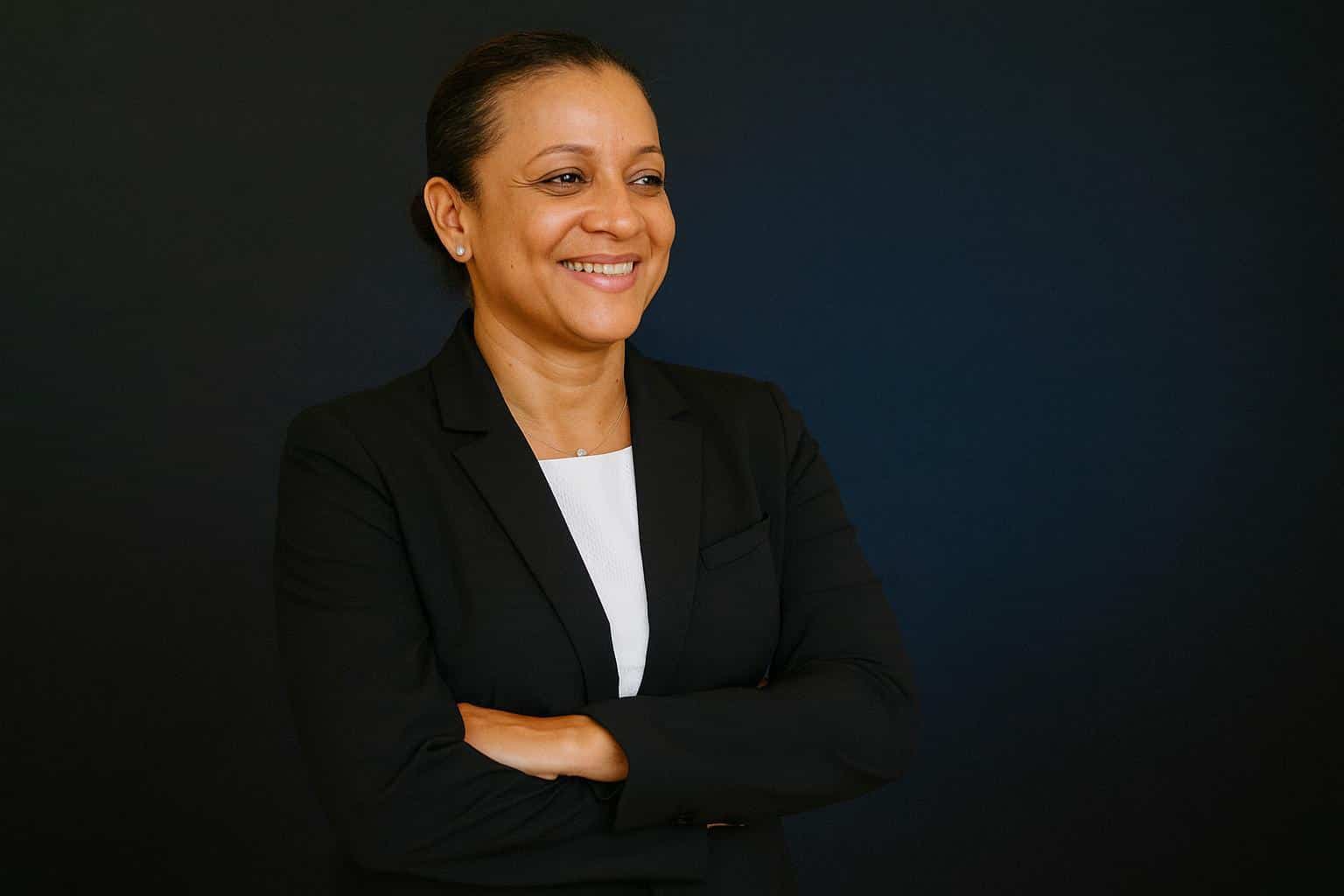
Strategic appointment in Brazzaville
The World Bank Group has confirmed that Alexandra Célestin will begin her duties as resident representative in the Republic of Congo on 1 October. The announcement signals the institution’s intention to consolidate its footprint in Brazzaville at a moment of renewed attention to public-private collaboration (World Bank press release).
In a brief statement, the Bank underlined that Célestin’s foremost mandate is to reinforce strategic partnerships with Congolese authorities and key domestic business players. Officials describe the timing as favourable, noting that a new cooperation framework with the country is entering its preparatory phase.
Profile of a finance leader
Originally from Haiti, Célestin joined the International Finance Corporation in 2006. Over nearly two decades she has risen through roles that demanded nimble navigation of emerging-market realities, most recently serving as regional representative for financial services in Central and West Africa (IFC profile).
Her academic pathway includes a master’s degree in finance from the University of Illinois at Urbana-Champaign. Before entering multilateral finance she held senior posts in Haitian commercial banking, experience that deepened her understanding of market dynamics and client-oriented risk management.
Three-pronged mission statement
According to the Bank’s note, Célestin’s agenda rests on three pillars: strengthening relations with government and private actors; co-designing a renewed partnership strategy for Congo; and steering the country office with an emphasis on professionalism and team spirit.
Each pillar feeds the next. Sustained dialogue with ministries and businesses should inform the forthcoming strategy, while a cohesive in-house culture is expected to maintain credibility as the process unfolds. Observers inside the Brazzaville development community see the sequence as logical and pragmatic.
Building on Mvono’s legacy
Célestin succeeds Louise Pierrette Mvono of Gabon, who chose to return home for new responsibilities after consolidating the Bank’s activities in Congo. Staff members credit Mvono with stabilising operations and widening sectoral engagement during a period marked by multiple global shocks.
By inheriting that platform, the incoming representative benefits from groundwork already laid in areas such as project monitoring and stakeholder outreach. “Continuation paired with fresh energy was the priority,” noted a senior official familiar with the hand-over. “Célestin answers both requirements.”
Inclusive partnership roadmap
Work on the new Country Partnership Strategy is expected to integrate perspectives from government, local enterprises, civil society and regional partners. The Bank states that inclusive consultation remains a pillar of its operating model, a principle Célestin has championed throughout her career (World Bank communication).
Sources close to the process stress that early conversations will focus as much on process design as on sectoral priorities. The aim is to avoid prescriptive blueprints and instead reflect feedback gathered across Brazzaville, Pointe-Noire and departmental centres.
Team leadership and culture
Beyond external outreach, the Haitian executive is tasked with cultivating a professional and collaborative culture inside the country office. Staff describe her management approach as data-driven yet personable, emphasising common purpose over hierarchy.
A former colleague recalls that Célestin “creates space for debate and then distils consensus into action plans.” Such habits could serve well in Congo, where the upcoming strategy will require coordinated input from economists, infrastructure specialists and social safeguards teams.