
Brazzaville as a Convergence Hub for African Psychology
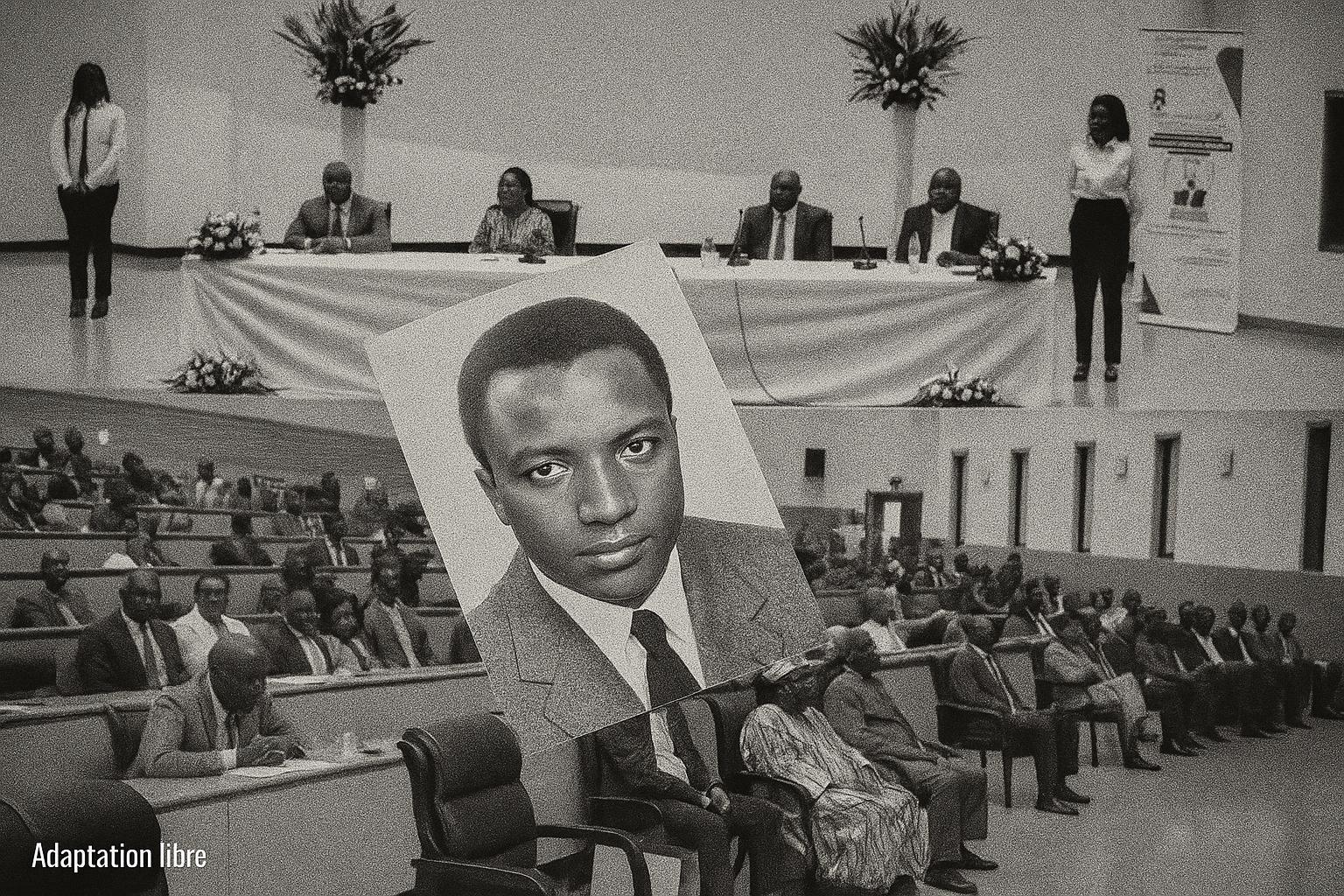
For three mid-July days the Amphithéâtre Jean-Baptiste Tati-Loutard at the University Marien-Ngouabi became a synapse linking six African states and France. Under the high patronage of Minister of Higher Education Delphine Edith Emmanuel Adouki and with the attendance of Minister Léon-Juste Ibombo, the first congress of the Congolese Psychological Society, Socopsy, offered evidence that Brazzaville is positioning itself as a diplomatic and scientific relay between Central and West Africa. The minister’s opening remarks framed psychology as “a science inherent to the human condition”, a lexical choice that subtly aligned the discipline with national development priorities laid out in the Plan National de Développement 2022-2026.
Honouring Dr. André Bouya: Memory as Statecraft
The congress’ emotional core was an homage to Dr. André Bouya, the first Congolese doctorate holder in psychology, inaugural head of the Psychology Department in 1975 and former vice-rector of the university. Family testimonies underscored his humanistic ethos while academic interventions traced the genealogy of his institutional reforms, situating them within post-independence nation-building. By celebrating Bouya’s legacy, Socopsy subtly employed collective remembrance as soft power, leveraging the figure of a scholar-statesman to fortify a sense of civic cohesion—an approach consonant with UNESCO’s recommendations on cultural memory and social resilience (UNESCO 2022).
Scientific Deliberations and the Diplomacy of Knowledge
Six thematic axes and sixteen workshops dissected topics ranging from digital-era training of psychologists to community resilience in informal settlements. The inaugural lecture by Professor Dieudonné Tsokini argued for an intercultural paradigm, urging African laboratories to converse horizontally rather than merely import epistemologies. Such positioning dovetails with the African Union’s Science, Technology and Innovation Strategy that advocates endogenous research frameworks (AU 2020). Delegates from the Democratic Republic of Congo, Cameroon, Gabon, Côte d’Ivoire and France echoed that call, implicitly transforming the congress into a micro-multilateral platform where scholarly dialogue complemented conventional diplomacy.
Policy Resonance: From Academic Forum to Advisory Engine
Beyond intellectual exchange, participants adopted resolutions with potential administrative bite. A forthcoming national directory of psychologists aims to facilitate policy interface in areas such as mental-health budgeting and educational counselling, a critical step given that the World Health Organization lists the Republic of the Congo’s psychiatrist-to-population ratio at 0.06 per 100 000 inhabitants (WHO 2023). Equally notable is the decision to institutionalise Socopsy as a standing advisory body to public authorities, thereby reinforcing the country’s evidence-based governance credentials without challenging existing political configurations.
Regional Health and Education Challenges under the Microscope
Panels devoted to child psychology, trauma in conflict-affected zones and psychosocial interventions in peri-urban districts responded to real-time continental concerns. Speakers from Yaoundé and Abidjan compared community-based therapeutic models, while Congolese researchers showcased pilots integrating psychological counselling into primary-care clinics. These exchanges resonated with the African Centres for Disease Control advocacy for integrating mental health into universal health coverage frameworks (Africa CDC 2024). The congress therefore functioned as both barometer and catalyst for regional mental-health policy convergence.
Charting Future Pathways: A Biennial Compass
In his closing address, Organising Committee Chair Professor Jean-Didier Mbélé articulated an ambition to convert the congress into a biennial rendez-vous, envisioning a pan-African epistemic community anchored in Brazzaville yet outward-looking. The Bouya family’s continued support symbolises the harmonious triad of scholarship, civic memory and state endorsement. As delegates dispersed, the adopted roadmap suggested that Congolese psychology is preparing to occupy a more pronounced seat at the continental policy table, complementing the government’s broader diplomatic posture that privileges regional integration and human-capital development.
From Commemoration to Strategic Asset
Ultimately, the inaugural Socopsy congress succeeded in entwining memorial tribute with forward-looking strategy. By leveraging the intellectual capital of Dr. Bouya, aligning with ministerial priorities and courting regional collaboration, the organisers delivered an event that advanced both scientific discourse and national soft power. For diplomats monitoring Central African knowledge diplomacy, the gathering illustrates how specialised academic forums can reinforce state objectives in health, education and cultural influence without overt politicisation. The next edition, already pencilled for 2027, will reveal whether the resolutions translate into sustained policy impact and expanded international partnerships.