
Brazzaville unveiling highlights prudent optimism
In a packed auditorium of the Ministry of Finance in Brazzaville on 23 September 2025, the World Bank presented its twelfth Economic Update for the Republic of Congo. The event, themed “Improving the Management of Produced, Human and Natural Capital,” blended cautious celebration with a call for sustained reform.
Cheik Fantamady Kanté, World Bank Division Director for West and Central Africa, framed the 80-page document as evidence that the country’s recovery is gaining traction while remaining vulnerable. “The trajectory is positive, yet fragile,” he noted, stressing collective responsibility for keeping growth inclusive.
Macro snapshot of 2024: modest but real progress
The report estimates Congo’s real GDP growth at 2.6 percent in 2024, driven largely by construction, agriculture and trade. These non-oil sectors are slowly offsetting structural declines in mature oil fields, a trend the Bretton Woods institution calls encouraging within Central Africa’s shifting commodity landscape.
However, authors caution that the pace is still below pre-pandemic averages, and per-capita income gains remain thin. The document therefore urges authorities to preserve macroeconomic stability while broadening the tax base so that citizens feel tangible benefits from the rebound.
Outlook 2025-2026: non-oil engines under scrutiny
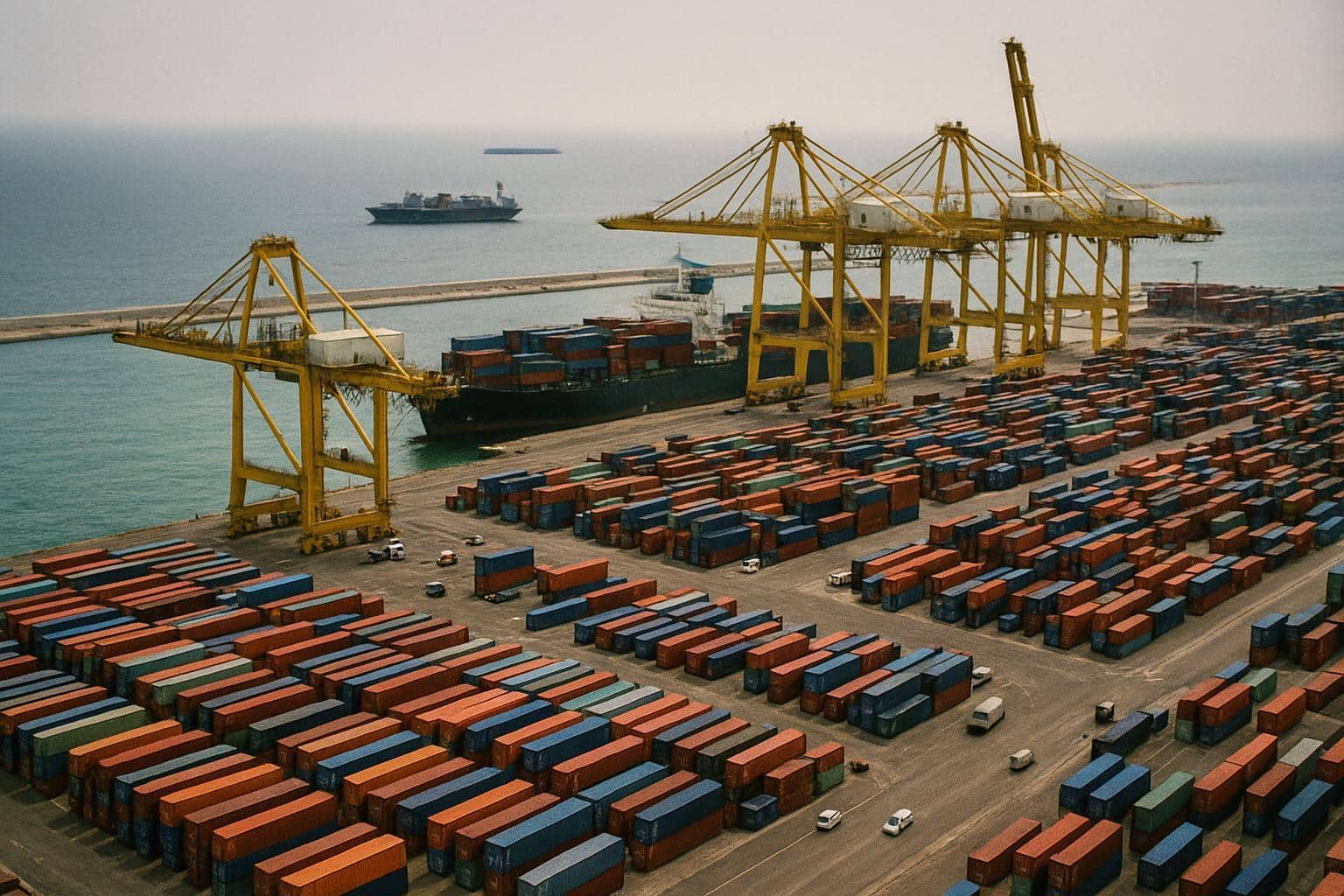
For 2025 and 2026, the Bank projects moderate acceleration provided that reforms advance. Expansion in agro-industry, digital services and logistics around the Pointe-Noire corridor could lift growth further, the report says, provided energy reliability and transport connectivity keep improving.
Analysts underline that external conditions—from global demand to regional inflation—will influence outcomes. Yet the Update insists that Congo’s domestic policy choices, notably predictable budgeting and transparent project execution, can soften external shocks and build investor confidence.
Debt and cash management: short-term priorities
Despite better growth figures, the Bank flags lingering pressures on the treasury. Temporary cash shortfalls and arrears, both domestic and external, risk dampening private-sector activity if left unchecked. The Update therefore recommends quick gains such as reliable cash-flow forecasting and strict commitment controls.
These measures, already part of ongoing World Bank technical assistance, aim to give policymakers clearer visibility over payment schedules and debt service. Ultimately, tighter financial discipline should free resources for health, education and climate-resilient infrastructure, the report argues.
Capital assessment: human, natural, produced wealth
Beyond raw numbers, the report devotes a full section to Congo’s wealth portfolio—its forests, rivers, people and physical assets. Bank economists estimate that natural capital remains the backbone of long-term prosperity, provided deforestation is curbed and value chains are better structured around timber and biodiversity.
Human capital indicators, from school completion rates to basic health coverage, still trail regional peers. “Investing in people is the surest path to durable growth,” the document states, calling for continued recruitment of teachers and wider immunisation campaigns, even amid fiscal consolidation.
Voices from stakeholders applaud pragmatic tone
Finance Ministry officials welcomed what they called a balanced appraisal. “The findings validate our reforms and highlight where we must accelerate,” said an adviser to Minister Rigobert Roger Andely after the briefing. Local entrepreneurs also reacted positively, seeing the focus on non-oil sectors as a nod to their efforts.
Civil-society representatives described the report as a potential roadmap for social inclusion. One youth-led NGO leader argued that clarifying arrears and accelerating domestic payments would quickly stimulate small businesses, which in turn hire new graduates.
Aligning report with national development agenda
Government planners view the Update as a complement to the National Development Plan 2022-2026, which targets diversification and job creation. Both documents emphasise prudent borrowing, mobilising domestic revenue and protecting vulnerable households from external shocks.
By anchoring advice in Congo’s own priorities, the World Bank hopes to support policies that are politically feasible and technically sound. As Kanté concluded, “Sustainable growth is not an abstract concept; it is the day-to-day experience of citizens when reforms translate into better schools, reliable roads and stable prices.”