
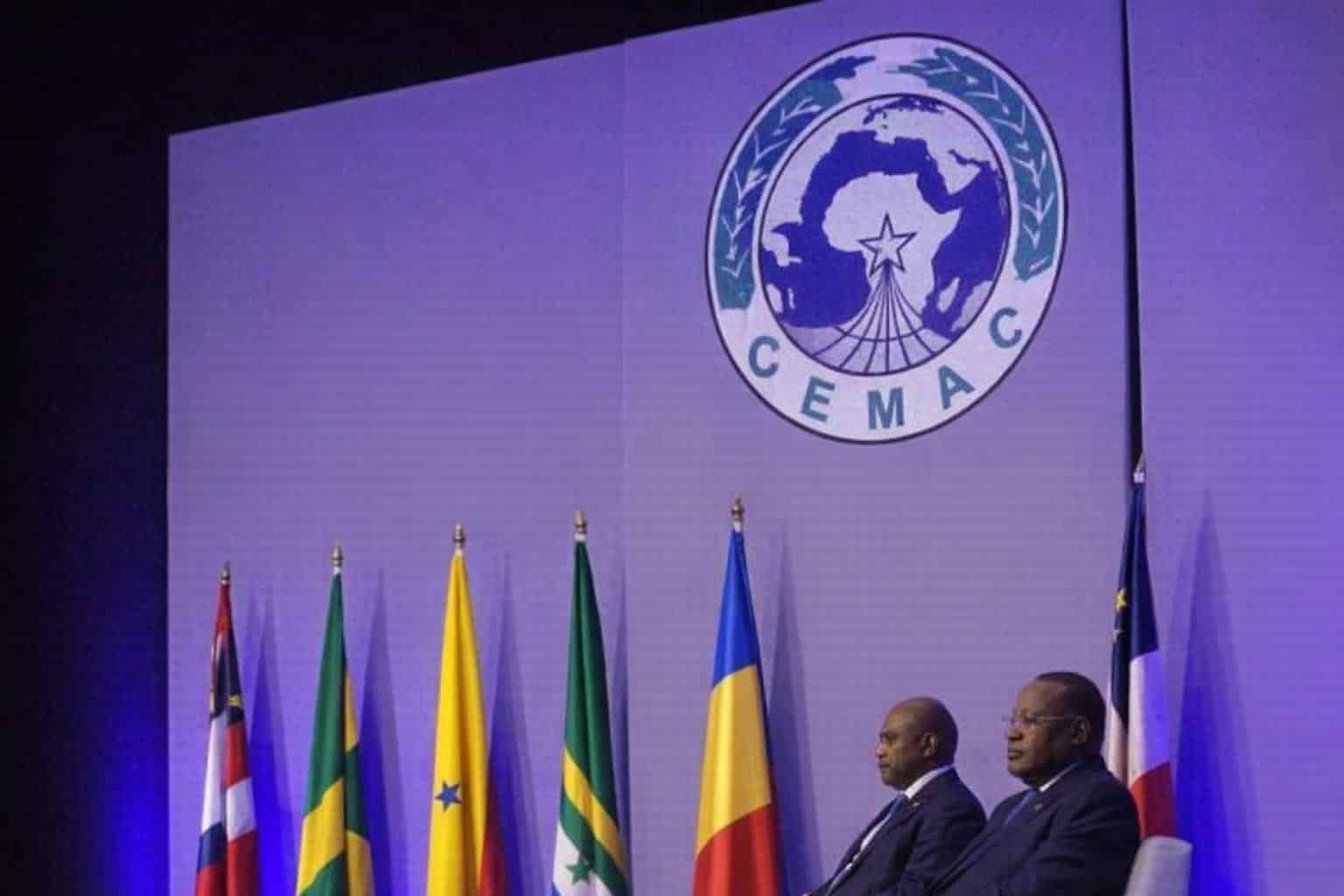
Brazzaville summit convened to protect CEMAC stability
At the request of Congo’s President Denis Sassou Nguesso, the heads of state of the six CEMAC countries are due to gather in Brazzaville for an extraordinary session on Thursday, Jan. 22, 2026, according to the announcement shared in the source text.
The meeting is framed as an effort to find stopgap responses to a monetary shock that, in early 2026, is described as looming over the sub-region. In Central Africa’s tightly linked economies, even a perception of risk can quickly shape expectations in markets and households.
Why Central Africa is facing renewed monetary uncertainty
The source portrays a climate of economic uncertainty across Central Africa, with worrying signals on the monetary front. It points to persistent inflation pressures, fragile public finances, and growing stress on foreign-exchange reserves as drivers of concern.
In this context, the possibility of a monetary shock is presented not as an abstract scenario but as a serious risk. The core question for leaders is how to preserve confidence, keep policy credible, and avoid abrupt adjustments that would weigh on growth and jobs.
Macroeconomic indicators under pressure across CEMAC
The text notes a gradual deterioration in macroeconomic balances over recent months. It highlights price increases for essential goods, linked to higher import costs and external dependence, which are said to be eroding household purchasing power.
Inflation that is “sometimes poorly controlled,” as described in the source, can affect both economic and social stability. For citizens in Brazzaville, Pointe-Noire, and departmental capitals, the issue often becomes concrete at markets, in transport costs, and in school expenses.
BEAC reserves and public finance constraints in focus
Another key pressure point identified is the foreign-exchange reserves held by the Bank of Central African States, the BEAC. The source attributes the increased pressure to lower export revenues for some countries and to higher public spending.
Much of that spending, it adds, is directed toward hard-to-cut obligations. This combination can narrow policy options. It also explains why the summit is designed to be political as well as technical, because coordination is difficult without top-level commitments.
CFA franc peg: stability benefits, discipline requirements
The CFA franc, the common currency of CEMAC member states, remains officially pegged to the euro, which the source presents as a factor of stability. But the same arrangement requires sustained budget discipline and careful public finance management.
Persistently high deficits and rising debt in some member states, the text says, are adding to worries about the system’s long-term sustainability. In such a setting, the credibility of shared rules becomes central to maintaining monetary calm.
What a ‘monetary shock’ could look like for the region
The source outlines several ways a shock might materialize. It could mean tighter monetary policy, more restricted bank credit, or, in the most feared scenario described, questions raised about the existing stability mechanisms of the CFA franc in Central Africa.
Even without dramatic steps, a tightening cycle can transmit quickly into higher borrowing costs for firms and households. That is why the extraordinary summit is portrayed as a preventive moment: leaders are seeking ways to manage risk before it hardens.
Impact on jobs, investment, and cost of living concerns
According to the text, constrained credit would slow private investment, reduce economic growth, and worsen unemployment, particularly among young people. Companies already operating in a difficult environment would face higher financing costs, weakening competitiveness.
On the social side, the source warns that a sharper cost-of-living squeeze could fuel tensions. It notes that public expectations for development and improved living conditions are rising, making policy choices more sensitive and outcomes more visible.
Reforms cited as priorities: governance, diversification, revenue
The text says experts broadly agree on the need for rapid, coordinated action. It identifies stronger economic governance, diversification away from heavy reliance on commodities, and better domestic revenue mobilization as top priorities.
These are presented as structural solutions rather than quick fixes. Still, in the summit’s short time horizon, leaders may also look for practical steps that signal unity, reinforce policy discipline, and reassure economic actors in the sub-region.
BEAC’s balancing act: stability first, growth support too
The BEAC, the source states, is expected to maintain a balanced monetary policy that protects stability while supporting growth. That balance is not only technical; it is political, because different countries may feel pressures differently depending on their fiscal space.
The text emphasizes solidarity among member states and respect for community commitments as decisive factors. In practice, this implies that policy choices in one capital can either strengthen or weaken the collective shield provided by the common currency framework.
A decisive moment for CEMAC integration and confidence
The source describes Central Africa as reaching a decisive turning point. If warning signals are treated seriously and translated into courageous structural reforms, it argues, the feared monetary shock could be avoided.
If not, the consequences could undermine development ambitions and economic integration over the longer term. For Brazzaville’s extraordinary summit, the challenge is to turn shared concern into coordinated action that keeps stability intact and expectations anchored.