
PCT women fuel voter registration drive
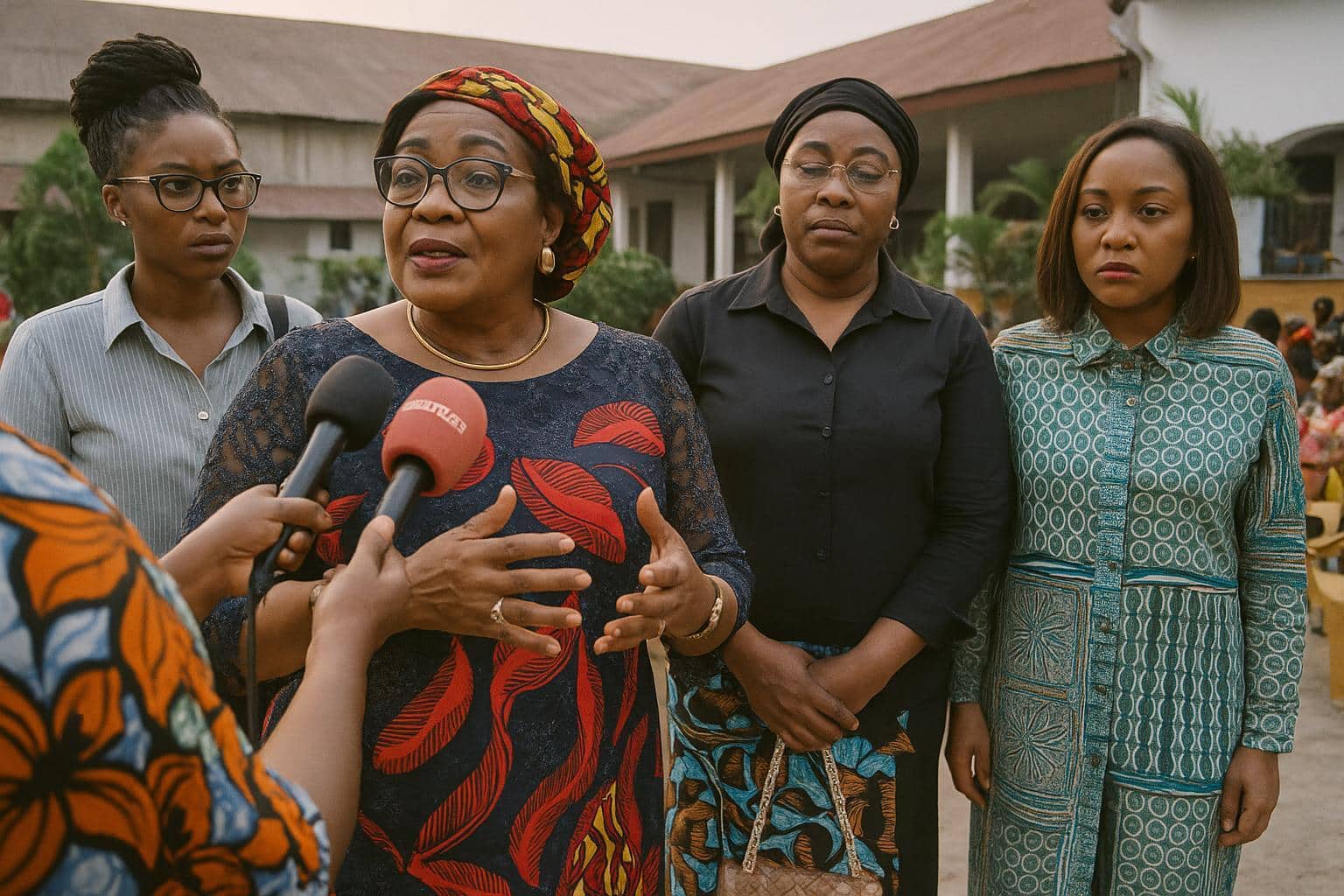
Inside the packed courtyard of the Congolese Labour Party’s federal headquarters in Mpila, one hundred delegates from each of Brazzaville’s nine arrondissements took notes as Charlotte Opimbat sketched the short calendar for the nationwide revision of electoral lists.
Her message was crisp: every woman present must return to her neighbourhood, escort voters to the registration centres and make sure that no prospective female elector is turned away for lack of a national identity card before the October deadline set by authorities.
Aiming for greater female turnout in upcoming ballots
Although official election dates have yet to be announced, party organisers believe the quality of the voter roll will shape future municipal and legislative contests. “Numbers give us negotiating power,” Opimbat told reporters, stressing that female turnout traditionally trails male participation in urban centres.
Statistics from the 2022 legislative poll showed women held just 6.9 percent of National Assembly seats, according to the national electoral commission. The OFC hopes a stronger registration push can reinforce President Denis Sassou Nguesso’s pledge to widen women’s access to public decision-making spheres.
Financing the Sixth Ordinary Congress
Beyond ballots, money matters. The federal secretariat set a symbolic contribution of 500 CFA francs for grassroots activists and 5,000 CFA for committee officers to finance the sixth ordinary congress slated for December. “Money calls money,” Opimbat quipped, drawing applause from the packed hall.
Party treasurer Mireille Oko explained that transparent reporting would follow each arrondissement’s payment. She insisted the effort was not a levy but “a voluntary investment in our political home,” adding that delegates unable to pay at once could stagger contributions over three weeks.
Grassroots logistics from Mpila to Makélékélé
OFC cell leaders left the meeting with bundles of printed forms, photocopy vouchers and transport tokens to escort voters. In Talangaï, organisers reserved minibuses, while in Makélékélé they negotiated discounted taxi fares so elderly supporters could reach biometric enrolment booths without strain.
Sylviana Okoua Oko, in charge of mobilisation in Ouenzé, reported that 312 women had already verified their names on the rolls by mid-week, while 97 newcomers obtained first-time IDs. She forecast a “snowball effect” as peer networks activate door-to-door reminders.
Diaspora enthusiasm extends campaign reach
The gathering also attracted Sephora Okoumou, a Congolese postgraduate based in Quebec. “I came as an observer,” she said, “but seeing the energy, I will join next session.” Organisers plan to harness such diaspora goodwill through digital briefings and mobile money pledges.
Since many expatriate Congolese remain registered in their home constituencies, remote mobilisation could swell overall turnout. Party officials hint at webinars outlining the enrolment calendar and live Q&A sessions to reassure first-time overseas voters about proxy options allowed by current electoral law.
Observers link drive to broader gender agenda
Political scientist Rodrigue Bouity notes that the campaign coincides with a regional push for gender-balanced governance championed by CEMAC heads of state. “If the PCT secures a visible female surge, it can claim alignment with continental benchmarks without altering existing leadership structures,” he argued.
Civil society groups such as Azur Développement acknowledge the merit of increasing registration but still call for measures guaranteeing candidate nomination. “Women can vote, but they also need places on the lists,” the NGO stated in a weekend communiqué, welcoming dialogue with party organisers.
Key dates ahead for registration and congress
According to the Interior Ministry’s timetable, biometric kits will remain in Brazzaville until 15 October before rotating to Pool and Plateaux. OFC coordinators therefore have three intensive weeks to maximise sign-ups, after which the focus shifts to compiling congress accreditation files.
The preparatory committee, chaired by former minister Pierre Moussa, confirmed that district-level reports on dues and enrolment will be consolidated on 20 October, paving the way for the congress budget vote scheduled within the party’s national executive bureau.
Bridging mobilisation and policy outcomes
Whether the current drive translates into policy leverage will depend on post-congress deliberations. Analysts observe that previous conventions produced gender equality resolutions whose follow-up varied across ministries. Sustained internal lobbying, they say, could anchor quotas in forthcoming municipal charters envisaged by the decentralisation bill.
For now, the sight of OFC delegates fanning out across Makélékélé’s dusty alleys or explaining form-filling at Talangaï markets hints at a grass-roots machinery ready to deliver. The coming weeks will reveal if registration targets and fundraising tallies meet the optimism on display.
Opimbat remained confident as she closed the meeting: “We are not merely mobilising for the party; we are mobilising for the Republic.” Her words echoed across the courtyard, mingling with chants of “PCT, toujours!” as the delegates dispersed into the humid Brazzaville afternoon.
Street voices reflect cautious optimism
Outside the hall, vendors selling roasted plantains discussed the day’s speeches with passers-by. Bernadette Ngodi summed up the street mood: “If the lists are clean and the congress well prepared, women will feel their voice is finally counted,” she said among traders on busy Avenue des Trois Martyrs.