
Brazzaville transport rule takes effect February 1
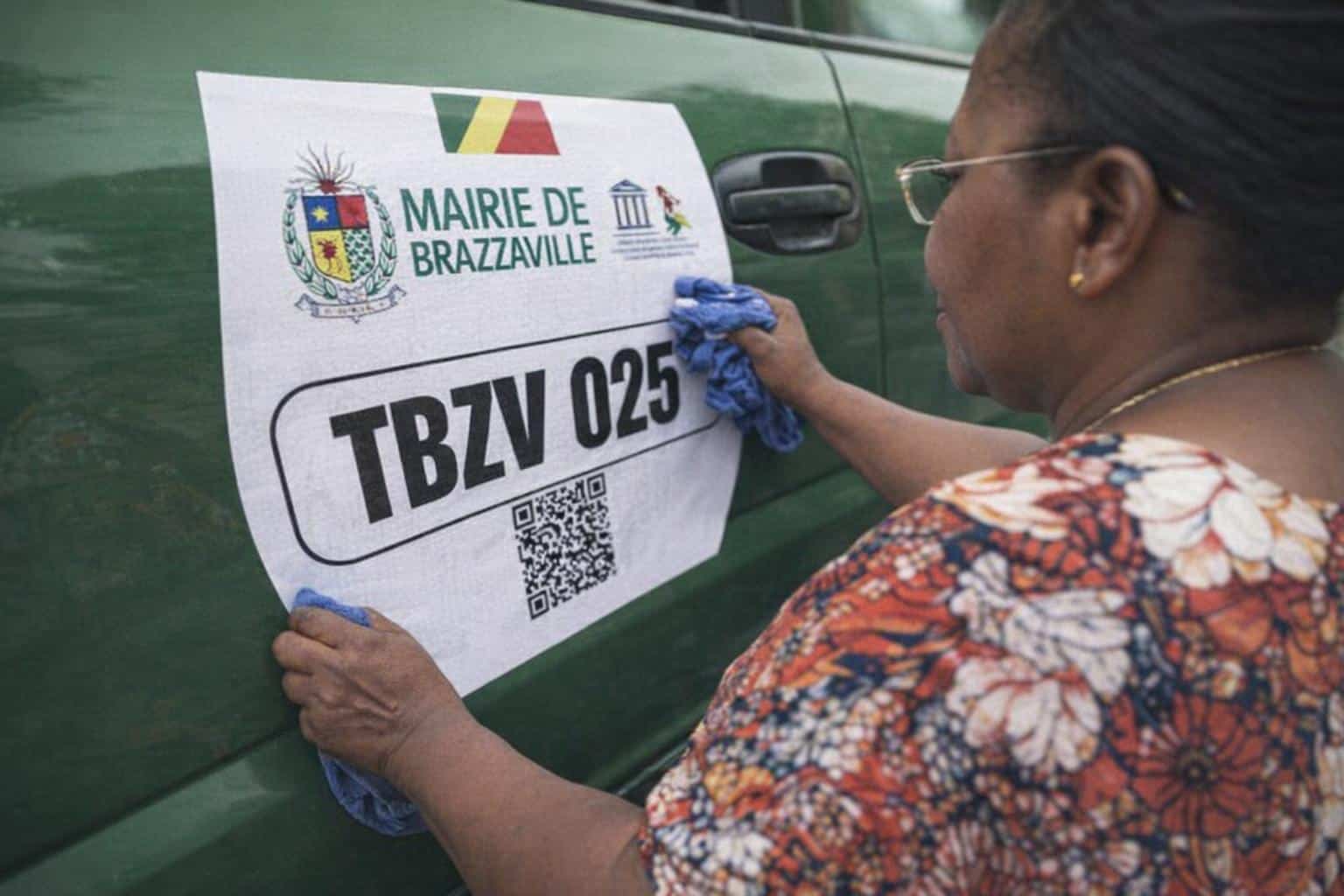
Starting February 1, Brazzaville City Hall will require mandatory secure numbering for vehicles that transport passengers and goods across the capital. The directive targets a wide slice of daily mobility, from taxis and minibuses to buses and heavy trucks, according to municipal authorities.
Officials present the measure as an administrative step designed to make the sector more readable for regulators and for users. By imposing a standardized identifier, the city expects to better distinguish authorized vehicles from those operating outside formal channels.
Secure database to strengthen oversight and coordination
Municipal authorities say the core objective is to build a reliable and secure database of transport vehicles operating in Brazzaville. In practice, this registry is expected to support closer monitoring and clearer supervision of operators active in urban transport.
The city frames the approach as a way to reinforce control without disrupting essential services. In a metropolis where commuting patterns change quickly, officials argue that better data can help guide decisions on traffic organization and enforcement priorities.
Urban traffic regulation and safer daily movement
City Hall links the initiative to a broader effort to regulate traffic and improve security for urban travel. The secure number is presented as a tool to strengthen traceability, especially for vehicles moving people and goods through dense corridors in Brazzaville.
By improving identification, municipal officials suggest they can promote more orderly practices in a sector central to the capital’s everyday economy. The language used by the authorities emphasizes discipline and a more structured transport environment, rather than punitive intent.
Pricing by vehicle category: taxis to heavy trucks
The fees attached to the operation are set by category. Taxis are priced at 20,000 FCFA, minibuses at 40,000 FCFA, and buses and Coasters at 60,000 FCFA. Heavy trucks are set at 80,000 FCFA, according to the municipal schedule.
City Hall’s tiered pricing mirrors the varying commercial profiles and capacities of each segment. The goal, as presented by authorities, is to apply a consistent framework across the transport chain, covering both passenger services and freight movement in the capital.
What the city expects: traceability and sector discipline
Through this measure, Brazzaville’s municipal leadership says it intends to improve traceability of transport vehicles and encourage stronger discipline among operators. The secure numbering is positioned as a practical marker that can support day-to-day management of urban mobility.
In the current governance context in Congo-Brazzaville under President Denis Sassou Nguesso, such municipal initiatives are often framed as incremental steps toward modernized administration. Here, the stated focus remains operational: clearer identification, better data, and tighter supervision of a vital service.