
Embassy gathering spotlights Congo-Cuba solidarity
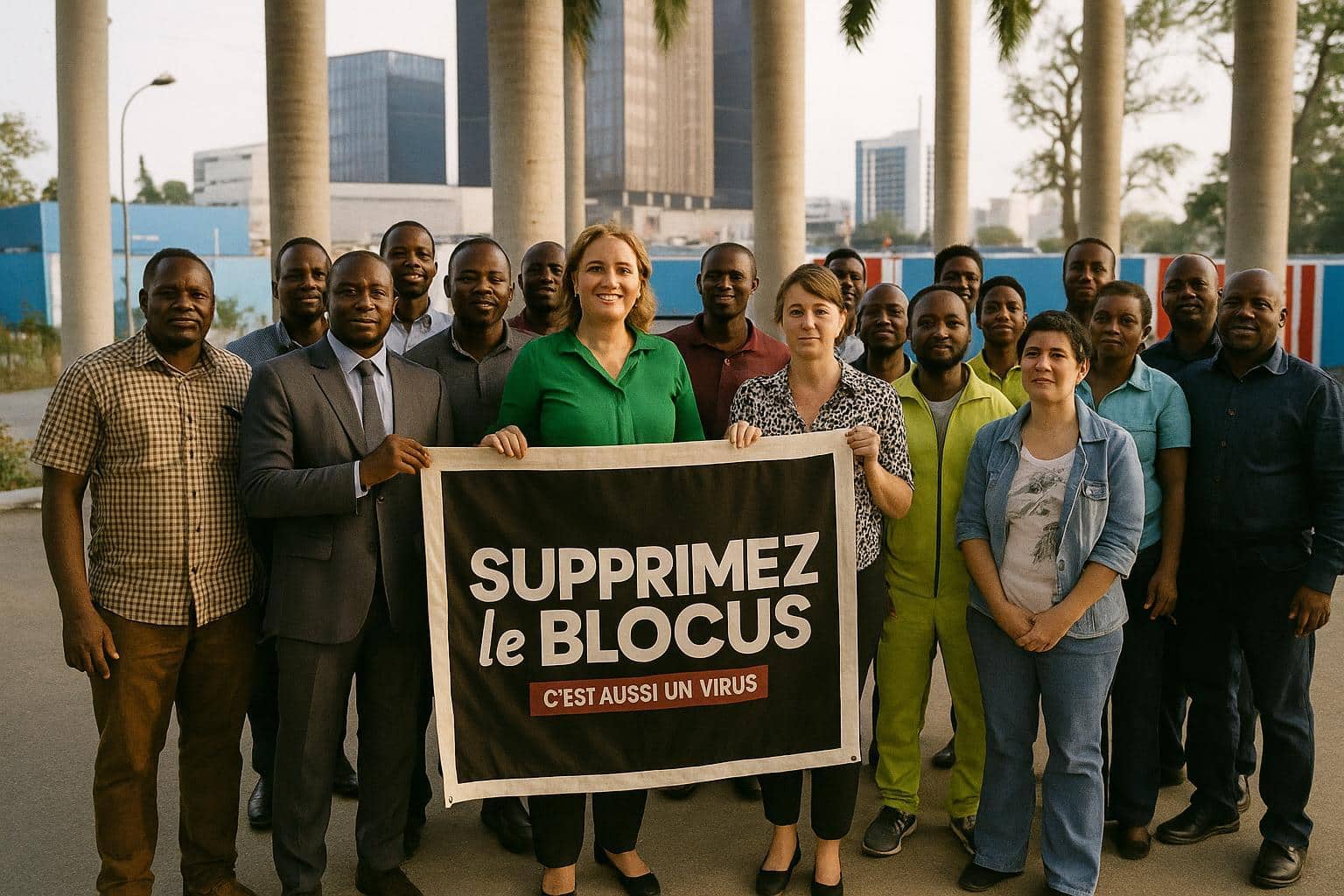
The Cuban Embassy in Brazzaville became a meeting point on 27 October as Ambassador Indira Nápoles Coello convened a session of solidarity. Congolese alumni of Cuban universities sat alongside members of the island’s community in Congo to reaffirm their common stance against Washington’s decades-old embargo.
Organizers described the encounter as an occasion to exchange memories and, above all, to amplify international calls for the removal of the economic, commercial and financial restrictions first enforced by the United States in 1962, a policy that Havana continues to label a blockade in every diplomatic forum.
UN vote backdrop frames Brazzaville dialogue
The Brazzaville gathering happened only days after the United Nations General Assembly once again examined the annual draft resolution entitled ‘Necessity of ending the economic, commercial and financial embargo imposed by the United States of America against Cuba’, a text supported by an overwhelming majority of member states.
Since 1992, voting patterns on that resolution have barely shifted: while most countries register a firm yes, the United States and Israel consistently record no, underscoring a diplomatic stalemate that has endured for more than three decades of recorded ballots at Turtle Bay.
Addressing the audience, Ambassador Nápoles Coello reiterated that the purpose of the evening was not strictly ceremonial but rather strategic, designed to sustain momentum generated in New York and to remind partners in Central Africa that the embargo conversation reaches far beyond the Caribbean.
The diplomat cited figures recently released by Havana’s foreign minister, Bruno Rodríguez Parrilla, placing the economic toll of sanctions between March 2024 and February 2025 in the realm of several billion dollars, an estimate meant to convey the embargo’s persistent weight on the island’s growth prospects.
Economic toll figures energize appeals
For the former Congolese students who completed their higher education in Cuba, the conversation went beyond macro-economics. Speakers recalled years of shared study, free tuition and a sense of solidarity forged in lecture halls that, to them, still illustrate why academic links matter in foreign policy.
The embassy event unfolded behind closed doors, yet participants later conveyed to journalists that a recurring theme was resilience and mutual assistance, reflecting experiences shared during their years abroad and their present lives in Congo-Brazzaville.
Attendees voiced hopes that continued multilateral pressure might eventually open a space for dialogue with Washington, although no concrete timetable or policy blueprint was presented during the Brazzaville session.
Participants also noted that cultural memories intertwined with political discussion, underscoring the hybrid identities formed through years of exchange between Congo-Brazzaville and Cuba.
Local observers in Brazzaville read the gathering as part of a wider tradition of people-to-people diplomacy, a form of engagement that often complements official statements from the Congolese Foreign Ministry without directly committing the host government to any immediate action.
People-to-people diplomacy in Central Africa
Still, the choice of venue and the presence of a diplomatic envoy placed Brazzaville among capitals where the Cuban embargo remains a topic of active advocacy.
Some media analysts said the timing, amid wider global economic uncertainty, added urgency to the discussion of how external restrictions impact smaller economies.
Speakers focused on humanitarian considerations, highlighting what they described as the everyday impact of restrictions on Cuban families.
At the close of the evening, organizers issued a brief statement reaffirming support for multilateral dialogue within the framework of the United Nations.
Ongoing advocacy plans ahead of next UN session
Organizers mentioned plans to keep the network active ahead of the General Assembly’s next session, signalling an intention to broaden outreach locally.
By aligning personal memories with geopolitical concerns, the Brazzaville solidarity meeting underscored how historical friendships continue to shape diplomatic narratives in Central Africa, even as the embargo that sparked the conversation enters its seventh decade.
For many in the diaspora, debate on the embargo becomes a mirror, prompting reflection on how external pressure intersects with domestic reform agendas.
Researchers consulted in Brazzaville note that solidarity events often perform a dual function: they keep memory alive within alumni circles while supplying embassies with a grassroots platform that complements formal bilateral committees.
Observers stressed that continuity itself holds value, showing that collective gatherings can influence perception even without immediate policy change.
Networks as pillars of public diplomacy
Diplomatic staff hinted that further outreach activities may be considered in other Congolese cities, an idea welcomed by alumni seeking to widen the circle of engagement.
Cuban diplomats describe the maintenance of alumni networks as a pillar of their public diplomacy, while former students regard it as a practical way to preserve academic and personal ties built during their years on the island.
As the lights dimmed at the embassy compound, one sentiment appeared to unite guests: a conviction that consistent, modest gestures can eventually influence international opinion, even against the backdrop of entrenched policy disagreements that have endured for sixty-plus years.