
A Freeze on Three Minerals at Once
A single administrative note, signed on April 1, 2026 by Minister Pierre Oba, brought new mining title grants to a halt for three strategic materials simultaneously: gold, cassiterite, and colombo-tantalite, better known as coltan. The order came from the Ministry of Mining Industries and Geology and covered both new attributions and renewals.
The scope of the freeze is unusual. Targeting gold, cassiterite, and coltan in a single measure reflects an assessment that the problems afflicting the sector are systemic rather than isolated to any one mineral.
The Rationale: Reassert Control
The stated purpose of the suspension is to reorganize and clean up the mining sector. That language encompasses a range of specific concerns that have accumulated over time.
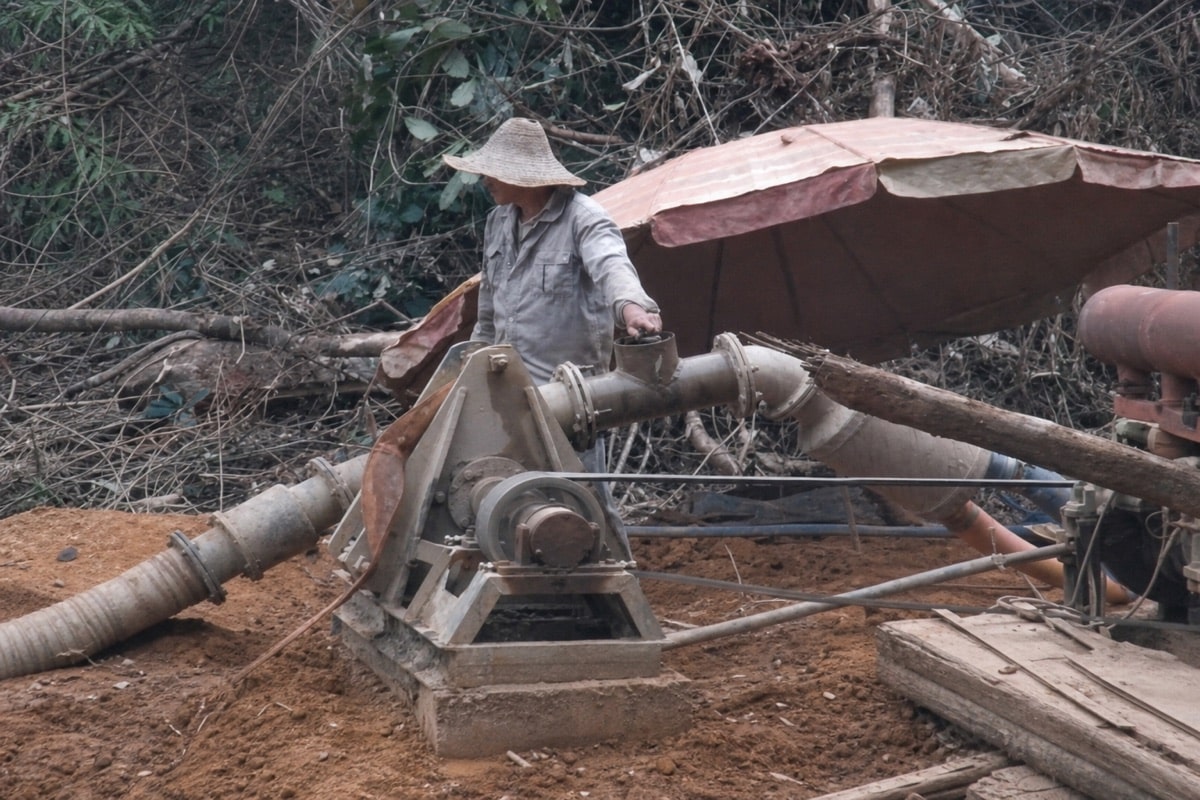
Gold extraction in particular has expanded in ways that are difficult for the state to monitor. Artisanal and small-scale operations have proliferated, many of them operating in informal or outright illegal conditions. The result has been a parallel economy that generates revenue largely invisible to official accounts and tax collection.
The ministry’s suspension signals an intent to map the situation accurately before issuing any further titles. The logic is straightforward: you cannot regulate what you have not fully documented, and you cannot document what continues to expand during the process.
Environmental Damage as a Motivating Factor
The suspension also explicitly addresses environmental consequences. Unregulated extraction has caused soil degradation, contaminated waterways, and contributed to deforestation in areas where mining operations have taken hold without proper environmental assessments.
These are not theoretical concerns. They represent documented damage to ecosystems that serve communities beyond the immediate mining zones. Water pollution from artisanal gold mining, in particular, has consequences that extend far downstream.
The authorities have framed environmental protection as a non-negotiable condition for any reformed mining framework — a position that, if maintained, would represent a significant tightening of the terms under which future permits are issued.
Economic Trade-offs to Manage
The freeze carries real economic costs. Small-scale operators who depend on mining for their livelihoods face immediate disruption. Local economies built around artisanal extraction will feel the effect of the suspension before any reformed system creates alternative structures.
For larger investors evaluating Congo-Brazzaville’s mining sector, the suspension introduces a period of regulatory uncertainty that typically chills new commitments. The government will need to communicate clearly about the timeline and the criteria that will govern the lifting of the freeze.
A Preview of Wider Reform
The April 1 suspension is widely read as a prelude to deeper structural reform. A revised legal framework could include updated geological mapping, stronger licensing conditions, more rigorous environmental standards, and digitized permit procedures that reduce the discretion — and potential for irregularities — that currently characterize the system.
How quickly that reform package materializes will determine whether the freeze functions as a genuine reset or simply as a temporary interruption. For now, Congo-Brazzaville’s gold, cassiterite, and coltan sectors are in a state of official pause while the government decides what kind of mining industry it wants to build.