
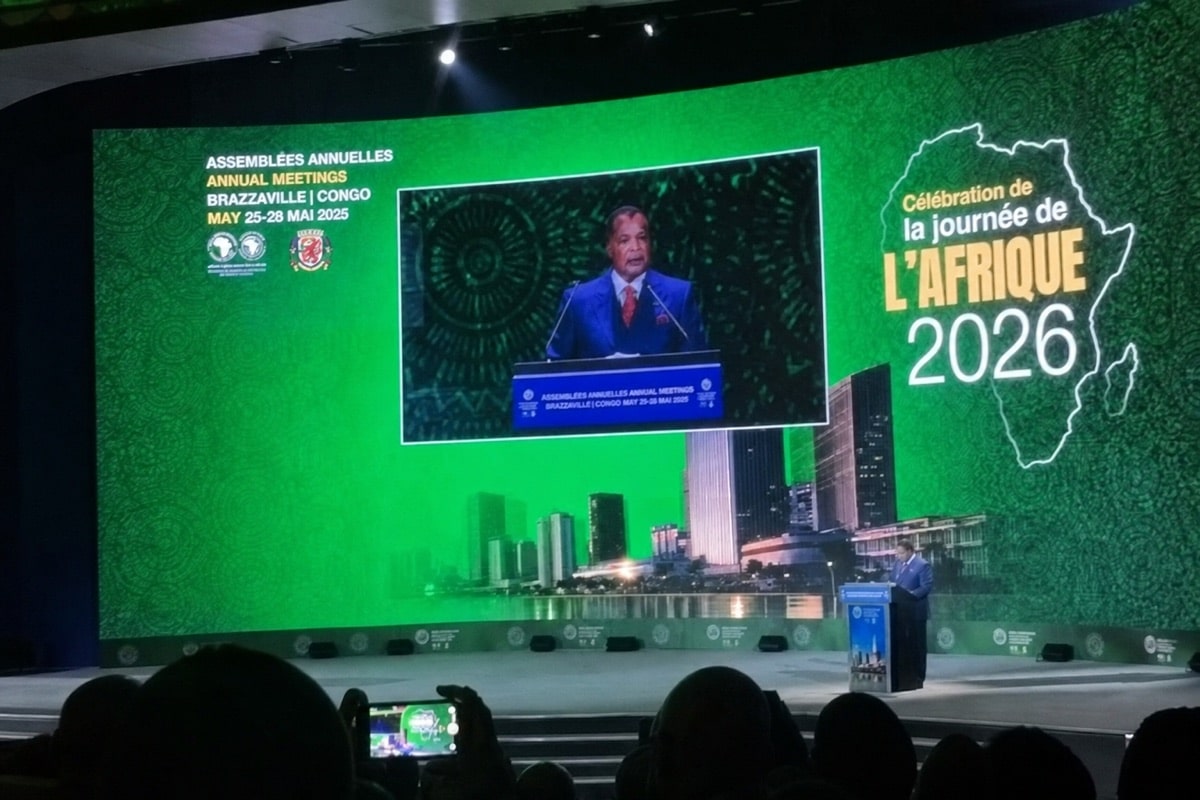
A Presidential Pledge on Africa Day
Standing before an audience gathered to mark the 63rd African Day on May 25, 2026, President Denis Sassou N’Guesso made an announcement that immediately reverberated across the continent. From January 1, 2027, nationals of African countries will be allowed to enter the Republic of Congo without a visa.
The declaration was unambiguous in its ambition. Sassou N’Guesso framed the measure not as a technical adjustment to border policy but as a political statement about what Africa should become.
He simultaneously called for the creation of a single African passport, describing free movement as essential to building a genuinely unified continent.
Breaking With a Long-Standing Posture
For decades, visa requirements between African states have been among the most restrictive in the world. African citizens often face more administrative hurdles crossing into a neighboring country than Europeans or North Americans visiting the continent.
Congo-Brazzaville’s announcement represents a significant departure from that norm. The country becomes one of a still-limited group of African states to commit formally to blanket visa-free access for all continental citizens.
The timing was deliberate. The 63rd African Day celebration carries symbolic weight, and the choice to unveil a migration reform at that moment signals the government’s desire to position Brazzaville as a champion of pan-African ideals.
A Continental Policy Context
The announcement fits squarely within the African Union’s Agenda 2063, which identifies free movement of persons as a cornerstone of regional integration. The AU has long promoted the African Continental Free Trade Area alongside protocols designed to reduce border friction across member states.
Several countries, including Rwanda, Ghana, and Benin, have moved ahead of the pack by granting visa-on-arrival or visa-free access to all African passport holders. Congo-Brazzaville’s 2027 commitment adds another significant capital to this emerging bloc.
Observers note that the Republic of Congo’s geographic position — at the heart of Central Africa, bordering the DRC, Cameroon, Gabon, and the Central African Republic — gives the measure particular regional significance for CEMAC countries.
Economic and Diplomatic Stakes
The potential economic effects extend beyond tourism. Easier cross-border movement tends to correlate with increased trade, investment flows, and knowledge exchange. For a country hosting the African Development Bank’s annual meetings in Brazzaville, projecting openness carries an additional diplomatic dividend.
“This decision could favor economic exchanges, tourism, investments, as well as cultural and academic opportunities between African countries,” analysts close to the file have noted. The reform would also strengthen Congo’s regional attractiveness at a moment when mobility is becoming a competitive factor between African states.
The BAD assemblies, scheduled in Brazzaville shortly after the African Day address, brought together political decision-makers, financiers, and development actors from across the continent — an audience for whom Sassou N’Guesso’s announcement carried immediate practical resonance.
The Single Passport Ambition
Beyond the immediate visa waiver, the president’s call for a single African passport draws on a long-standing aspiration that has struggled to gain traction. Attempts to harmonize travel documents across the AU have advanced slowly, hampered by divergent national interests, security concerns, and technical complexity.
Sassou N’Guesso’s public endorsement of the concept at a continental ceremony adds political weight to the debate, even if implementation timelines remain undefined.
What Comes Next
The January 2027 deadline gives Congo-Brazzaville roughly eighteen months to adapt its border infrastructure, train personnel, and negotiate the regulatory framework that will govern the new entry regime.
Whether the reform will be reciprocated by other states — or whether it will be unilateral — remains to be clarified. Unilateral openness carries political risks as well as benefits; governments must weigh migration management against the desire to lead by example.
What is clear is that Brazzaville is staking a position. For a country navigating complex regional dynamics while seeking to broaden its international partnerships, the visa-free pledge is both a domestic political signal and a continental one.