
A Land of Overlooked Potential
Long overshadowed by larger continental economies, the Republic of Congo has quietly positioned itself as a laboratory of pragmatic economic diversification. The country’s gross domestic product may still lean on hydrocarbons, yet recent data show non-oil sectors edging upward, a trend confirmed by multilateral lenders (IMF 2023). What sets Brazzaville apart is the space it affords investors willing to look beyond headline risk. From fertile river basins dotted with cacao farms to vast reserves of untapped timber certified for sustainable harvesting, the nation’s portfolio is broader than often acknowledged.
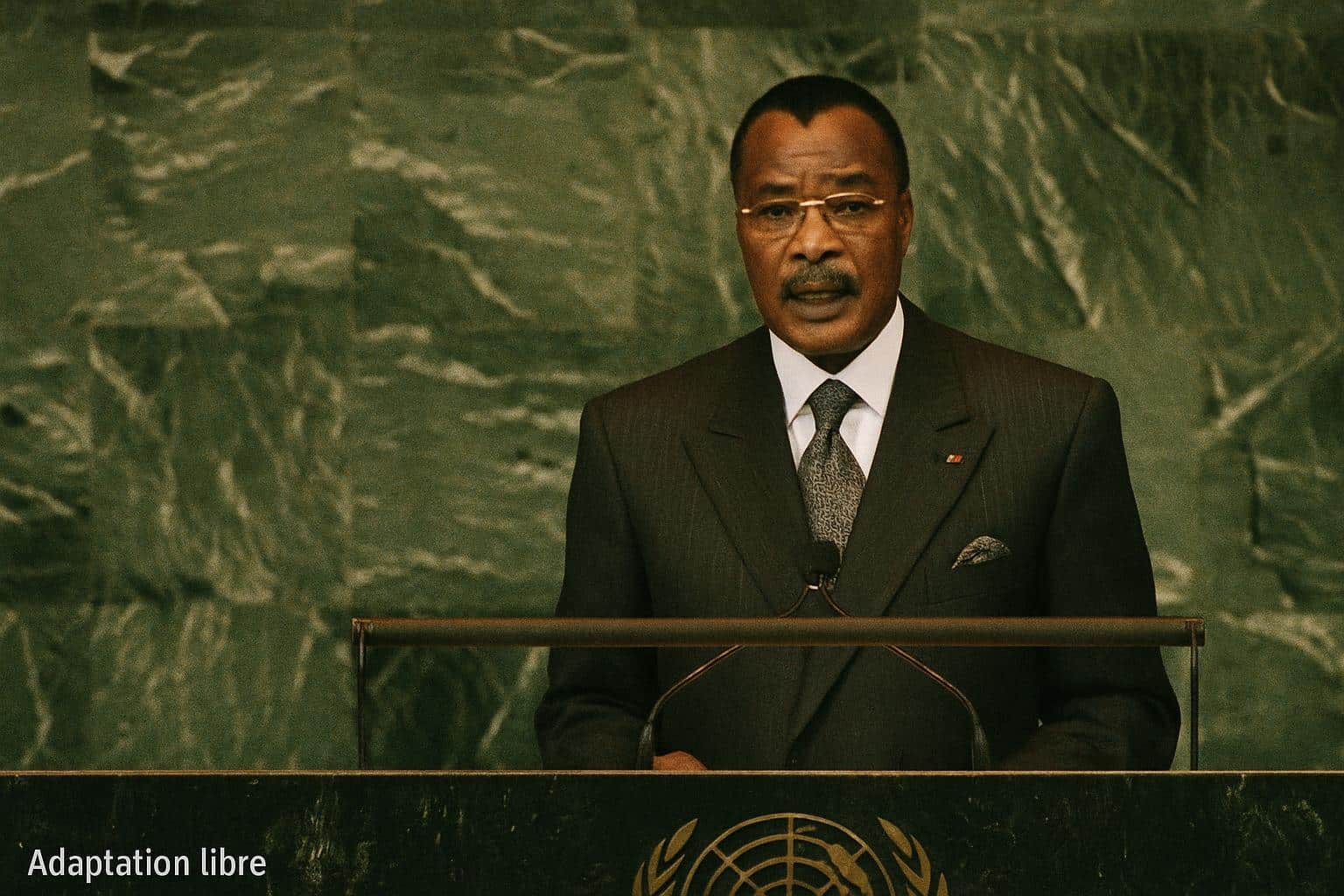
Strategic Reforms Under President Sassou Nguesso
President Denis Sassou Nguesso’s administration has pursued a gradualist, institution-centred reform agenda that enjoys cautious approval from international partners. The enactment of the Investment Charter and the streamlining of licensing procedures through the one-stop Guichet Unique have trimmed bureaucratic delays by nearly 40 percent, according to the Ministry of Economy. In parallel, Brazzaville’s dialogue with creditors culminated in a restructuring agreement that freed fiscal space for strategic spending (World Bank 2023). Western diplomats describe the approach as a ‘quiet consolidation,’ an apt phrase for policies that privilege stability while permitting incremental liberalisation.
Energy and Infrastructure: Foundations for Growth
Hydrocarbons remain the fiscal backbone, yet the government’s revised Hydrocarbons Code incentivises production-sharing contracts that channel a larger share of revenue toward public infrastructure. The arrival of new subsea fibre-optic cables, co-financed with private consortia, has multiplied broadband capacity tenfold, narrowing the digital divide and supporting nascent fintech ventures in Pointe-Noire. Meanwhile, the 1 000-kilometre transport corridor linking the Atlantic coast to the northern hinterland advances in phases, lowering logistics costs for agricultural exports. Such connective tissue is indispensable to the administration’s ambition of turning Congo into a transit economy for central Africa.
Human Capital and the Youth Dividend
Two-thirds of Congolese citizens are under 25, a demographic that could become a liability or an asset. Brazzaville has opted for the latter by tripling allocations to technical and vocational education over the past five years. Partnerships with foreign universities have seeded joint programmes in petroleum engineering, forestry and digital coding. Early indicators suggest a gradual decline in youth unemployment, a trend mirrored in the new start-up incubator along the capital’s waterfront. International observers acknowledge the challenge of scale, yet laud the government’s attempt to align curricula with market demand (UNDP 2023).
Tourism: From Rainforest to Riverfront
Tourism contributes less than three percent to GDP, a statistic the Ministry of Tourism views as opportunity rather than shortcoming. The Odzala-Kokoua National Park, home to Western lowland gorillas and rare orchids, has secured Ramsar recognition, unlocking green financing for eco-lodges. In Brazzaville, the renovated corniche now hosts cultural festivals that celebrate the country’s Franco-African heritage. Visitation numbers remain modest, yet upscale operators report occupancy levels approaching regional averages. Analysts argue that a measured expansion rooted in conservation avoids the overtourism pitfalls observed elsewhere on the continent.
Diplomatic Outlook and Regional Integration
Congo’s membership in the Central African Economic and Monetary Community grants it a voice in shaping monetary policy and cross-border infrastructure projects. Brazzaville’s mediation role in neighbouring conflicts, lauded by the African Union, enhances its diplomatic credibility. The recent signing of bilateral investment treaties with Turkey and the United Arab Emirates underscores a deliberate strategy of diversified partnerships. Western envoys privately note that Congo’s non-confrontational foreign policy provides a stable canvas for commercial engagement.
Sustainable Trajectory and Outlook
Climate finance is emerging as a central pillar of Congo’s long-term strategy. Possessing the world’s second-largest tropical peatlands, the country has argued convincingly for compensation mechanisms that reward carbon sequestration. The Brazzaville Foundation estimates that sustainable forestry alone could generate hundreds of millions in annual revenue by 2030, provided certification standards are upheld. Such figures speak to a policy architecture that treats environmental stewardship not as philanthropy but as macroeconomic leverage.
Taken together, these dynamics portray a state intent on translating latent endowments into inclusive prosperity without sacrificing stability. Challenges—from commodity price swings to infrastructure gaps—remain tangible, yet the arc is bending toward cautious optimism. For diplomats and investors alike, the Republic of Congo offers a landscape where the returns, like its rainforests, may be dense but are undeniably real.