
Setting the Stage in Kinkala
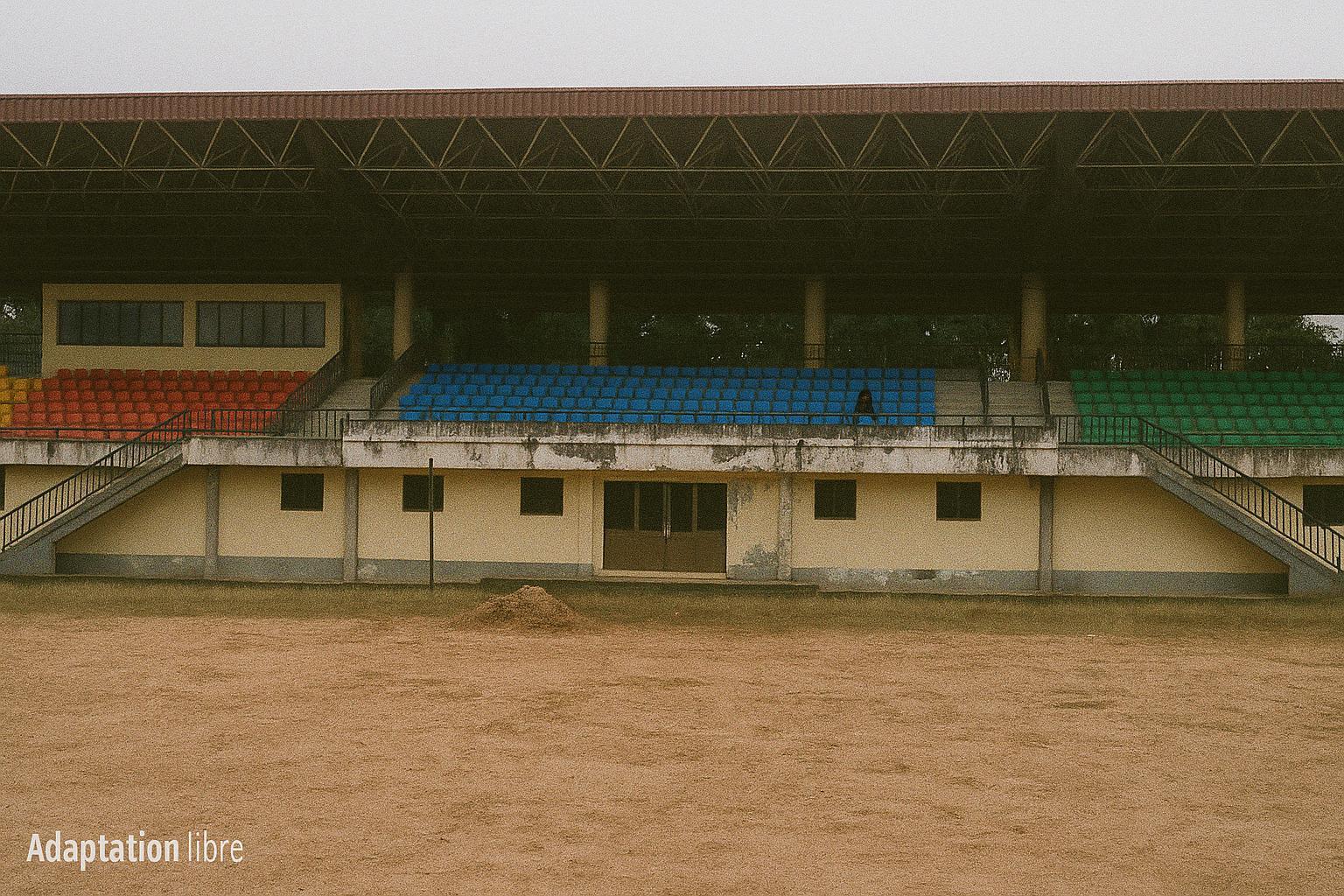
When the municipal whistle blows on 27 July 2025, the Kinkala multisport arena will resonate with more than the chants of football aficionados. The announced encounter between the Pool district selection and their counterparts from Djoué-Léfini, publicised by the Congolese News Agency and corroborated by regional daily Les Dépêches de Brazzaville, has been positioned as the keystone event of the second edition of the Departmental Youth Universities. The match, although strictly friendly, carries a symbolic weight that extends beyond the touchlines. It seeks to reaffirm social cohesion after episodic unrest that affected the Pool territory over the past two decades and to reinforce the Government’s agenda of national reconciliation enshrined in the 2022–2026 National Development Plan.
Youth Diplomacy Through Sport
Diplomats stationed in Brazzaville frequently acknowledge that soft-power initiatives can stabilise societies more sustainably than formal treaties. The Pool fixture illustrates this notion in microcosm. By convening youth from historically distinct sub-regions around a single cultural practice—football—the organisers aim to weave interpersonal networks that outlast the final score. “This edition is deliberately oriented toward cultural and sporting activities,” declared municipal councillor Lié Bidié Banzouzi during a media briefing, highlighting the socio-cultural logic behind the programme.
Such reasoning mirrors international findings by UNESCO, which attributes measurable declines in community tension to locally owned sporting frameworks. The Kinkala organisers, therefore, are aligning municipal practice with global evidence without deviating from the political priorities articulated by President Denis Sassou Nguesso, who has repeatedly insisted that Congo’s youth must be both ‘actors and beneficiaries’ of peace.
Infrastructure and Civic Mobilisation
Prior to diplomacy on the pitch, diplomacy in sanitation has taken centre stage. With the stadium’s terraces once littered by time and tropical weather, Mayor Edwige Ndebeka Biyengui mobilised inhabitants for an extensive clean-up. “Our population remains remarkably receptive,” she noted during an inspection, adding that the restored arena now meets standards for national-level fixtures. Her assertion is corroborated by on-site assessments from officials of the Ministry of Sports who inspected the grass and security perimeters earlier this month.
Observers from the United Nations Development Programme in Brazzaville privately praised the mobilisation as a text-book example of ‘whole-of-society’ engagement. In practical terms, the action generated short-term employment, reinforced civic pride and, crucially, positioned local actors as custodians rather than mere beneficiaries of public infrastructure.
Economic Echoes of a Match
Beyond the emotional dividends, the fixture is expected to leave a modest but meaningful economic footprint. Louingui deputy Elbe Biscay Bidié, initiator of the Youth Universities, forecasts that the event will incubate revenue-generating activities conceived by young entrepreneurs. Micro-projects in catering, artisanal merchandising and community tourism are already registering with the Kinkala prefecture, according to municipal economic data reviewed by the ACI.
These micro-ventures dovetail with the Government’s broader informal-sector support mechanisms launched under the National Programme for Local Development. Pouring modest capital into the periphery, officials contend, reduces migratory pressures on Brazzaville while nurturing a class of rural entrepreneurs essential to long-term stability.
Regional Stability and Soft Power
From a geopolitical vantage point, the Pool department’s relative tranquillity has become a barometer for national stability. Analysts at the Institute for Security Studies in Dakar emphasise that each cultural or sporting success in the region radiates reassurance to investors monitoring risk indices for Central Africa. The Kinkala match is thus a low-cost but high-visibility demonstration that local authorities can orchestrate mass events without friction—an image the Government is keen to project in the run-up to regional infrastructure tenders scheduled for 2026.
Moreover, the initiative harmonises with continental trends. The African Union’s 2063 Agenda underscores sport as a lever for ‘pan-African solidarity’. By localising that principle, Congo-Brazzaville positions itself as both contributor and beneficiary of Africa’s emergent people-centred diplomacy.
Looking Ahead to 2025
With twelve months remaining, logistical checklists stretch from medical contingencies to broadcast rights. Yet organisers report that ticketing prototypes, security protocols and youth volunteer training are already 60 percent complete. International partners, including the French Development Agency’s sports outreach division, have signalled interest in technical assistance, reinforcing the event’s transnational dimension.
If the ball rolls smoothly on 27 July 2025, Kinkala’s friendly may endure as a touchstone for how local sport can advance diplomatic narratives, economic micro-growth and collective healing. In that light, the final score will matter far less than the collaborative ethos displayed long before the referee’s opening whistle.