
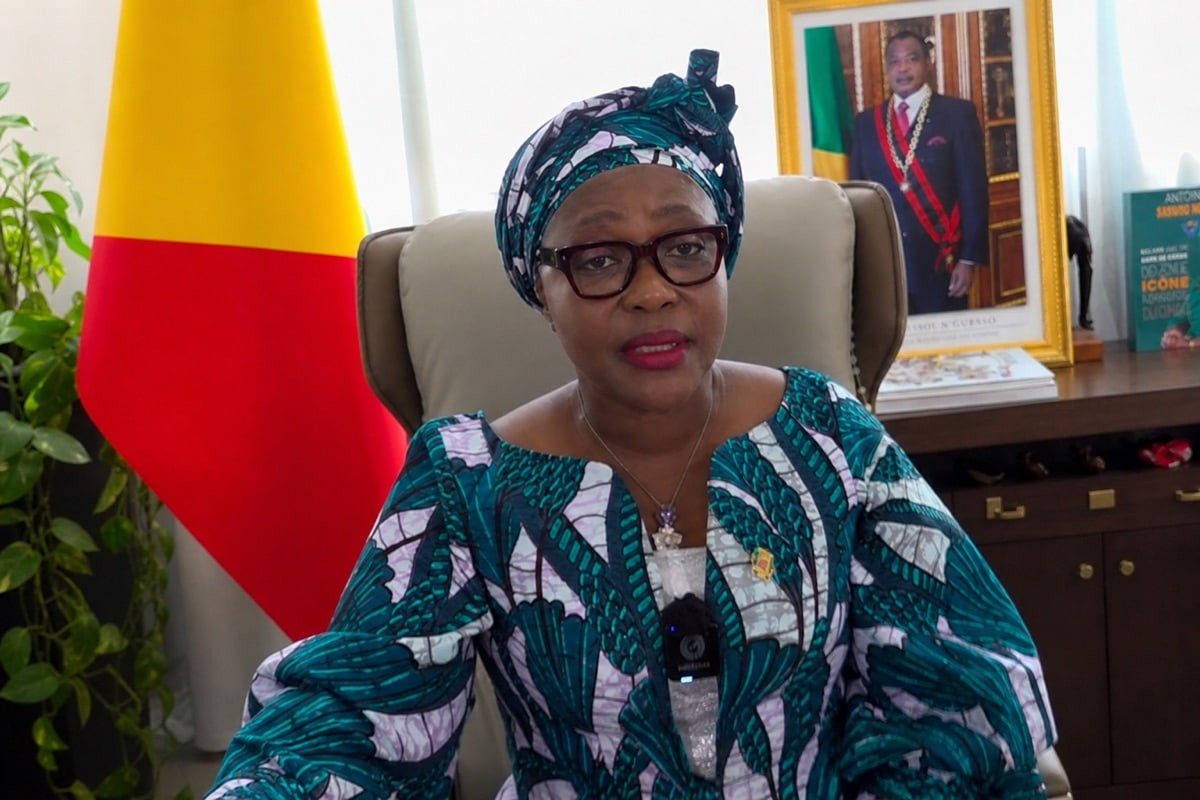
The African free-trade project sits high on Congo’s economic agenda. Marking National Trade and Business Day on 20 May, Minister Jacqueline Lydia Mikolo set out the stakes. She framed the African Continental Free Trade Area as both a collective challenge and a national priority.
A Continental Market Within Reach
Mikolo, who holds the trade, supply and consumption portfolio and is charged with the free-trade file, pointed to the opportunity ahead. The zone, she argued, opens a door for a broad range of economic actors. Small businesses, industries and farmers stand among the intended beneficiaries.
She extended the list to artisans and young entrepreneurs. For them, the trade area promises access to « un vaste marché continental dynamique et compétitif ». The phrase captured the scale of what continental integration could offer.
The vision rests on reach. A market spanning the continent dwarfs any single national economy. For producers long confined to domestic demand, the prospect carries obvious appeal.
Preparation Before Participation
Yet the minister tempered ambition with caution. Integration, she stressed, demands readiness. Access to a larger market means little without the capacity to compete within it.
Her prescription was direct. Congo must « produire plus, produire mieux et privilégier la production locale ». The formula tied volume, quality and local sourcing into a single imperative.
The message acknowledged a hard truth of open markets. Tariff-free access cuts both ways, exposing domestic producers to continental rivals. Without stronger output, the opening could expose weakness as much as opportunity.
Reforms Already Under Way
Mikolo presented structural actions already in motion. Chief among them is the formation of a legal cell tasked with revising commercial legislation. Updating the rulebook is treated as groundwork for deeper integration.
The work extends to strategy. The national implementation plan for the free-trade area, spanning 2021 to 2030, is being updated. Alongside it, authorities are drafting an operational roadmap for 2026 to 2030.
These instruments aim to translate principle into practice. A strategy on paper means little without a roadmap to execute it. By pairing the two, the ministry signalled an intent to move from declaration toward delivery.
Consulting the Stakeholders
The minister also outlined a participatory phase. Meetings with traders, operators and consumers are planned. Civil society and public administrations are slated to join the conversation.
These sessions are scheduled within the first hundred days. The timeframe lends a sense of urgency to the consultative effort. It suggests the ministry wants early input rather than after-the-fact reaction.
Bringing affected parties into the process serves a practical end. Reforms shaped without those who must live by them often falter. Wide consultation can build the buy-in that implementation requires.
Weighing the Road Ahead
The 2030 horizon frames the entire effort. Mikolo’s remarks placed Congo’s participation within a long arc rather than a single moment. The free-trade area is presented as a process to be built, not a switch to be flipped.
The dual framing, challenge and priority, captured the balance she sought. Opportunity and difficulty were presented together rather than apart. That candour gave the address a measured tone.
Much now depends on execution. Legal revision, updated strategy and a fresh roadmap must converge for the ambition to hold. The first hundred days of consultation will offer an early test of momentum.
For Congo, the free-trade area represents both promise and pressure. The continental market beckons, but only to those prepared to meet it. Mikolo’s address made clear that readiness, not access alone, would decide the outcome.
The trade day thus served as more than ceremony. It was a moment to state intent and lay out the steps already taken. Whether the roadmap delivers on its promise will be measured over the years that lead to 2030.