
High-speed milestone for remote districts
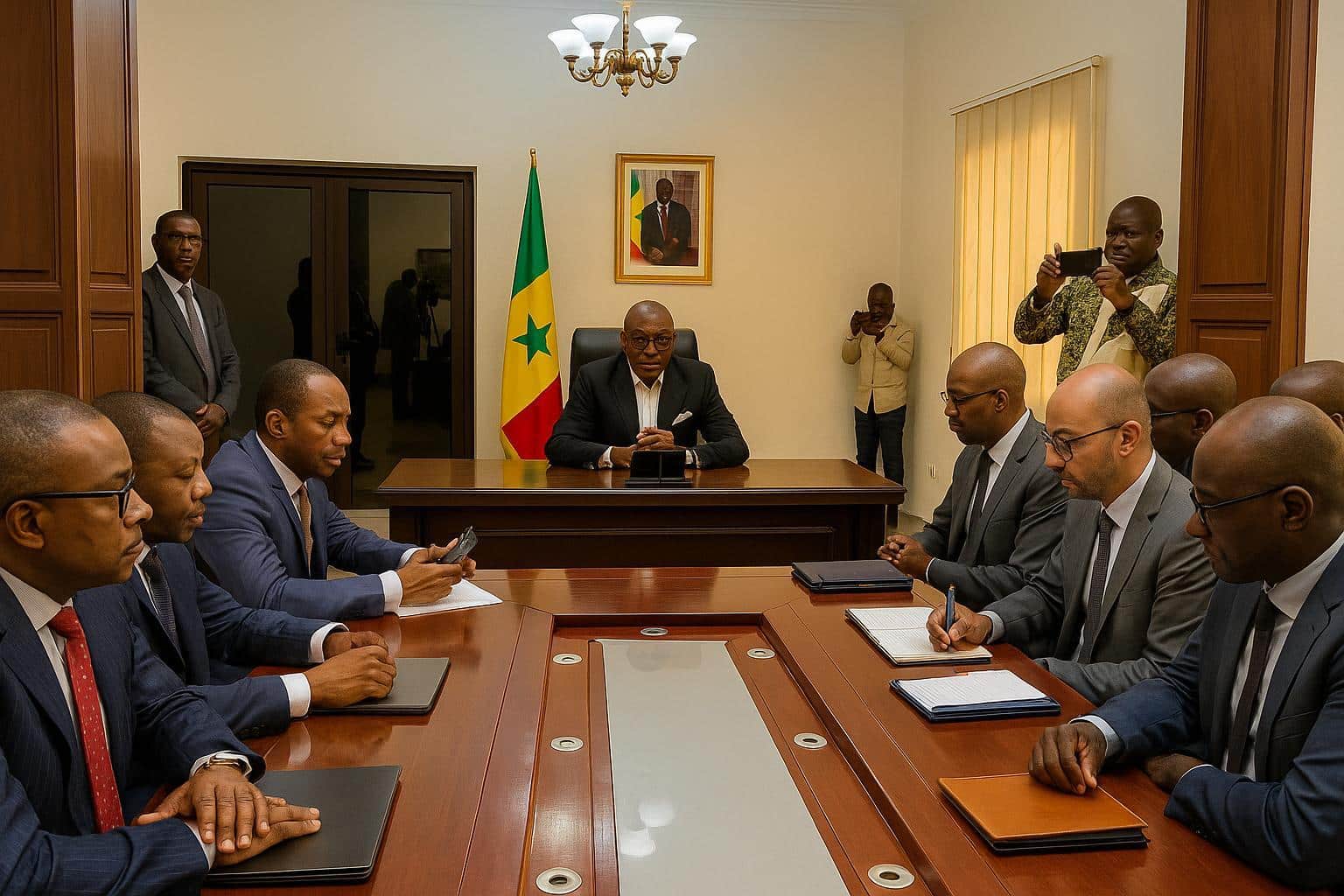
Twenty villages from the Niari forest to the Sangha river can now stream lectures and file online tax returns at speeds once limited to the capital. Minister of Posts, Telecommunications and the Digital Economy Léon Juste Ibombo confirmed the switch-on during a briefing in Brazzaville on 13 October.
The event marked the first tangible fruits of the $100 million Project for the Acceleration of Digital Transformation, PATN, financed by the World Bank. Engineers activated fourth-generation antennas, delivering service up to ten times faster than earlier links, according to ministry technicians consulted after the ceremony.
Local leaders welcomed the signal bars lighting up phone screens. “I can finally send agronomy data to Oyo without boarding a bus,” said Bertin Ndinga, a cocoa cooperative manager in Sibiti, during a video call that held steady for the seven-minute interview.
Inside the PATN roadmap to 2025
Seventy-six sites are scheduled, with completion targeted for December 2025. Ibombo said three million dollars of additional funding have already been mobilised to refine radio equipment and solar back-up systems, ensuring the network resists tropical downpours and power cuts.
The ministry’s engineers divided the country into clusters of schools, health centres and agricultural hubs. Each cluster receives a 30-metre tower and a microwave backhaul link that feeds fibre when available. Clustering, Ibombo argued, “reduces capital cost per user by almost 40 percent while maximising social return.”
Contractors must still cross the floodplains of Likouala and the escarpments of Kouilou, a logistic headache exacerbated by heavy rains. A mid-term review presented to the visiting World Bank delegation nevertheless rated implementation “satisfactory,” citing a 96 percent uptime during initial testing.
World Bank partnership dynamics
The five-member Bank delegation, led by digital development specialist Angela Maria Caicedo, is staying in Brazzaville until 22 October. Her team is touring newly connected communes with tablets that log bandwidth and latency in real time, part of a data-driven supervision approach adopted across Central Africa projects.
Caicedo told reporters, “Congo’s proactive stance on rural connectivity aligns with the institution’s vision to create an inclusive, competitive digital economy across the CEMAC region.” She added that the 4G backbone could attract investment in cloud services and fintech once coverage thresholds are met.
World Bank officials and ministry staff also examined gender-diverse participation. Early indicators show women represent 38 percent of PATN-funded training cohorts—above the 30 percent benchmark set in project covenants, a point both parties described as encouraging for digital literacy.
Digital 2030 strategy awaiting green light
All eyes now turn to the cabinet for final approval of Congo’s Digital 2030 blueprint. Drafted with Bank consultants over eighteen months, the document outlines spectrum reform, data-centre incentives, and a universal service fund replenished through modest levies on big telecom operators.
Ibombo cautioned that further disbursements hinge on the plan’s swift ratification. “The strategy is ready. Validation will unlock the pipeline of transformative projects our youth expect,” he said. Observers in the sector note that prior policies gained traction only after such top-level endorsement, making the upcoming Council of Ministers meeting critical.
Analysts at the Brazzaville-based think tank ICT Observatory believe legal clarity on open access fibre could attract regional carriers rerouting traffic away from congested Atlantic cables. They underscore that timely passage would dovetail with PATN’s rural focus, preventing an urban–rural digital divide from widening as speeds rise.
Local impact and next steps
On the ground, teachers in the Plateaux department report that download times for open-source textbooks have fallen from one hour to six minutes. Health clinics in Mossaka now upload malaria case reports to the national dashboard before day’s end, a breakthrough in surveillance efficiency.
E-commerce start-up MarchéVert said its monthly orders from Mayoko quadrupled after residents gained 4G coverage. Founder Natacha Bouanga is exploring a warehouse in Dolisie to shorten delivery times, arguing that “connectivity creates a virtuous circle of demand, logistics and local jobs.”
The next tranche of antenna deliveries is scheduled for January, with preference given to districts bordering Gabon and Cameroon, two markets that could import bandwidth from Congo once cross-border roaming agreements mature. Project managers are assessing river transport for shipping masts during the dry season to cut costs.
For Minister Ibombo, the signal is as much symbolic as technical. “When a child in Makoua opens a coding tutorial without buffering, we move closer to the emerging-economy status envisioned by President Denis Sassou Nguesso,” he concluded, thanking the World Bank team before heading to the next site inspection.