
Strategic Convergence in Brazzaville
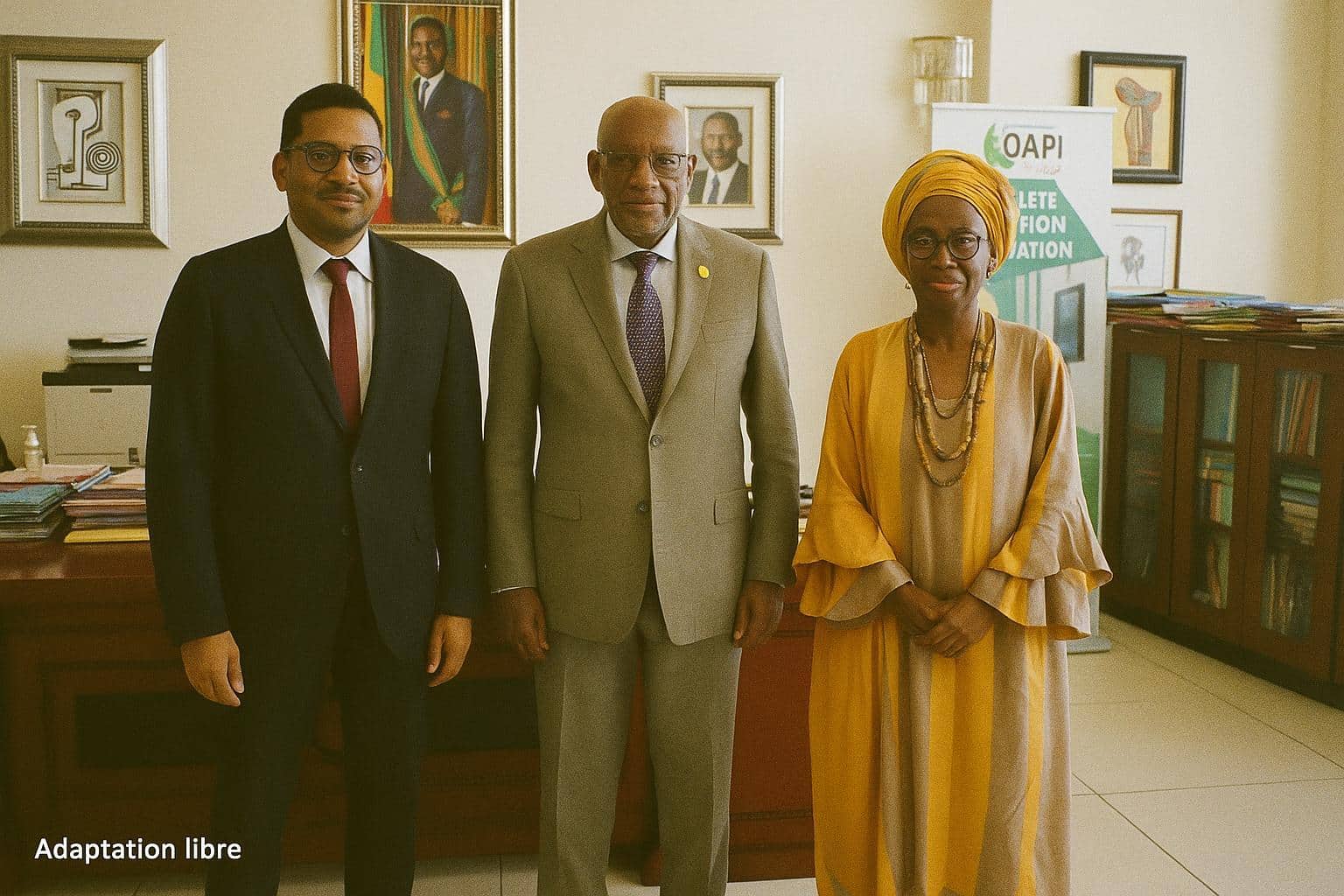
When Minister of Industrial Development Antoine Thomas Nicéphore Fylla Saint Eudes received United Nations Resident Coordinator Abdourahamane Diallo on 4 August, the encounter was presented as a routine follow-up meeting. In reality, according to diplomatic sources present in the antechamber, it crystallised a year of behind-the-scenes negotiations intended to anchor the National Industrial Development Programme at the core of Congo-Brazzaville’s foreign-assisted agenda. Both interlocutors reiterated that industrialisation is no longer an aspirational chapter in the National Development Plan 2022-2026 but “the organising principle of economic policy”, as one senior official put it. The United Nations Development Programme, the UN Economic Commission for Africa and the United Nations Industrial Development Organization have aligned their respective toolkits to that end, ranging from value-chain diagnostics to concessional project finance.
From Hydrocarbon Reliance to Multi-Pillar Growth
The urgency of diversification is hardly theoretical. Hydrocarbons still generate roughly half of Congo’s GDP and more than 80 percent of export receipts, figures echoed in the recent ECA policy brief on Central African economies. Price volatility and post-pandemic debt stresses have persuaded Brazzaville to explore agro-industry corridors along the fertile Niari Basin, timber transformation clusters around Ouesso and a nascent pharmaceutical sub-sector aimed at the Central African market. Government planners stress that these ventures draw on comparative advantages rather than wishful thinking, citing a work-in-progress national inventory of mineral, biomass and human capital assets. “Diversification is first and foremost about selecting opportunities that can compete regionally,” argues Dr. Anne-Françoise Makaya, an economist at Marien-Ngouabi University.
Engineering Support: Agencies and Instruments
Under the refreshed cooperation matrix, UNIDO is expected to deploy its Programme for Country Partnership model, which has already underpinned industrial parks in Ethiopia and Senegal. UNDP, for its part, has earmarked catalytic funding to fast-track feasibility studies, while the International Trade Centre has been invited to craft export-readiness modules for small and medium-sized enterprises. Insiders confirm that a multi-sectoral consultation, slated for the final quarter of 2023, will synchronise the energy, water and hydrocarbons portfolios with the industrial roadmap. By cross-referencing power-grid extension plans with factory-site proposals, officials hope to pre-empt the infrastructural bottlenecks that have slowed comparable initiatives elsewhere in the sub-region.
Diplomatic and Financial Outlook
Several envoys acknowledge that the political context remains conducive. President Denis Sassou Nguesso has made productive alliances with both Bretton Woods institutions and emerging-market creditors, thereby mitigating sovereign-risk perceptions. A forthcoming Eurobond service in December is widely expected to proceed without incident, reinforcing confidence. Meanwhile, the African Development Bank has signalled readiness to co-finance industrial incubators once due-diligence milestones are met. “The stars are aligning for Congo to reposition itself as a manufacturing gateway to Central Africa,” observes a senior AfDB analyst. If the current momentum endures, Brazzaville could witness, within this decade, the gradual substitution of crude-oil tankers by containers filled with processed timber, fertilisers or medical consumables. Such an evolution would not merely broaden the fiscal base; it would also embed the republic more firmly in continental supply chains envisaged under the African Continental Free Trade Area.