
A Presidential Race Framed as Predictable
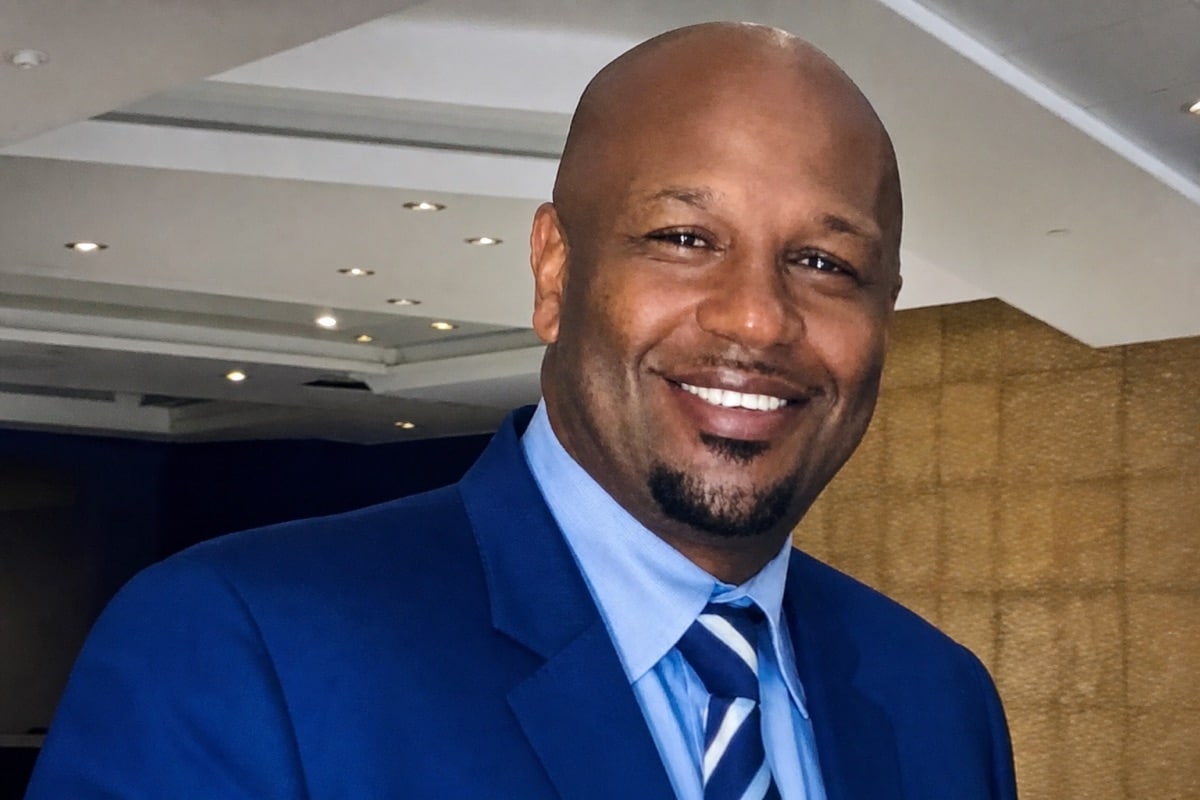
With Congo-Brazzaville’s presidential election set for March 15, 2026, and official campaigning underway, a prominent civil society voice offered a sharply critical assessment of what the vote represented. Joe Washington Ebina, president of the Fondation Ebina, an organization focused on human rights in Congo, described the election to RFI’s Sidy Yansané as “a non-event” — a process that, in his view, offered nothing new to the daily lives of ordinary Congolese.
Denis Sassou Nguesso, 82 years old and with more than four decades in power, was entering the race as the dominant figure. Six other candidates were registered, but most lacked the resources and visibility to mount a credible challenge. The main opposition formations had announced a boycott, refusing to participate in a process they characterized as locked from the outset.
Power Concentration and a Weakened Opposition
Ebina pointed to a decade-long process of political attrition as context for the election’s shape. “With a concentration of power lasting 40 years, today’s opposition is unfortunately muzzled,” he said. Central to that process, in his account, was the imprisonment of two major opposition figures: General Jean-Marie Michel Mokoko and Okombi Salissa.
Both men had been arrested in 2016, in the aftermath of that year’s presidential election. Mokoko’s case attracted particular international scrutiny; the European Union denounced his trial. “Their incarceration has not only reduced the organizational capacity of the opposition but also served as a means of political pressure,” Ebina said. Both remained imprisoned as the 2026 election approached.
Economic Concerns at the Heart of the Question
For Ebina, the election was ultimately overshadowed by a more fundamental set of questions about living conditions. “All Congolese are currently talking to you about difficult living conditions or about simply getting a passport,” he said. His framing placed material reality at the centre of the democratic debate.
He listed what he considered the unanswered questions of four decades: access to electricity and clean water, healthcare conditions, urban sanitation, and the situation of retirees facing nearly fifty months of unpaid pension arrears. “Five more years — will things improve?” he asked rhetorically. “There is no hope.”
Electoral Mechanics Under Scrutiny
Beyond the imprisonment of opposition figures, Ebina described a structural environment that made meaningful competition difficult. He cited the control of public media by the government, an electoral districting process that opposition members had challenged, and the absence of prominent opposition figures from public life. “Today everything is muzzled,” he said. “The president remains the master of the entire situation.”
The atmosphere he described was one marked by what he called a “deleterious climate” — a combination of insecurity in major cities like Brazzaville and Pointe-Noire, and a chilling effect on political expression. Meetings organized by opposition parties and activists had, he said, been affected by this climate of fear.
No Enthusiasm, No Illusions
Asked about the popular mood toward the election, Ebina was unsparing. “Whatever elections come, every election that passes, the president always wins,” he said. “This is not a popular issue. We do not see enthusiasm.”
He expressed no expectation that the imprisonment of Mokoko and Salissa would end, or that living conditions would improve, regardless of the outcome. “What he has not been able to do in 40 years, he will not do in five more years,” he said. “I am rather pessimistic.”
What the Opposition’s Absence Means
The decision by principal opposition formations to boycott the March 15 election shaped the public character of the race in a fundamental way. With no major challenger on the ballot capable of making the outcome competitive, the contest became primarily an exercise in mobilization for the majority, and an exercise in visibility for minor candidates.
For observers of Congolese political life, Ebina’s account, delivered on a major international radio platform, represented one of the clearer public statements of dissent available ahead of a vote that was broadly expected to produce a result consistent with four decades of political precedent.