
Quiet Preparations for 2026 Ballot
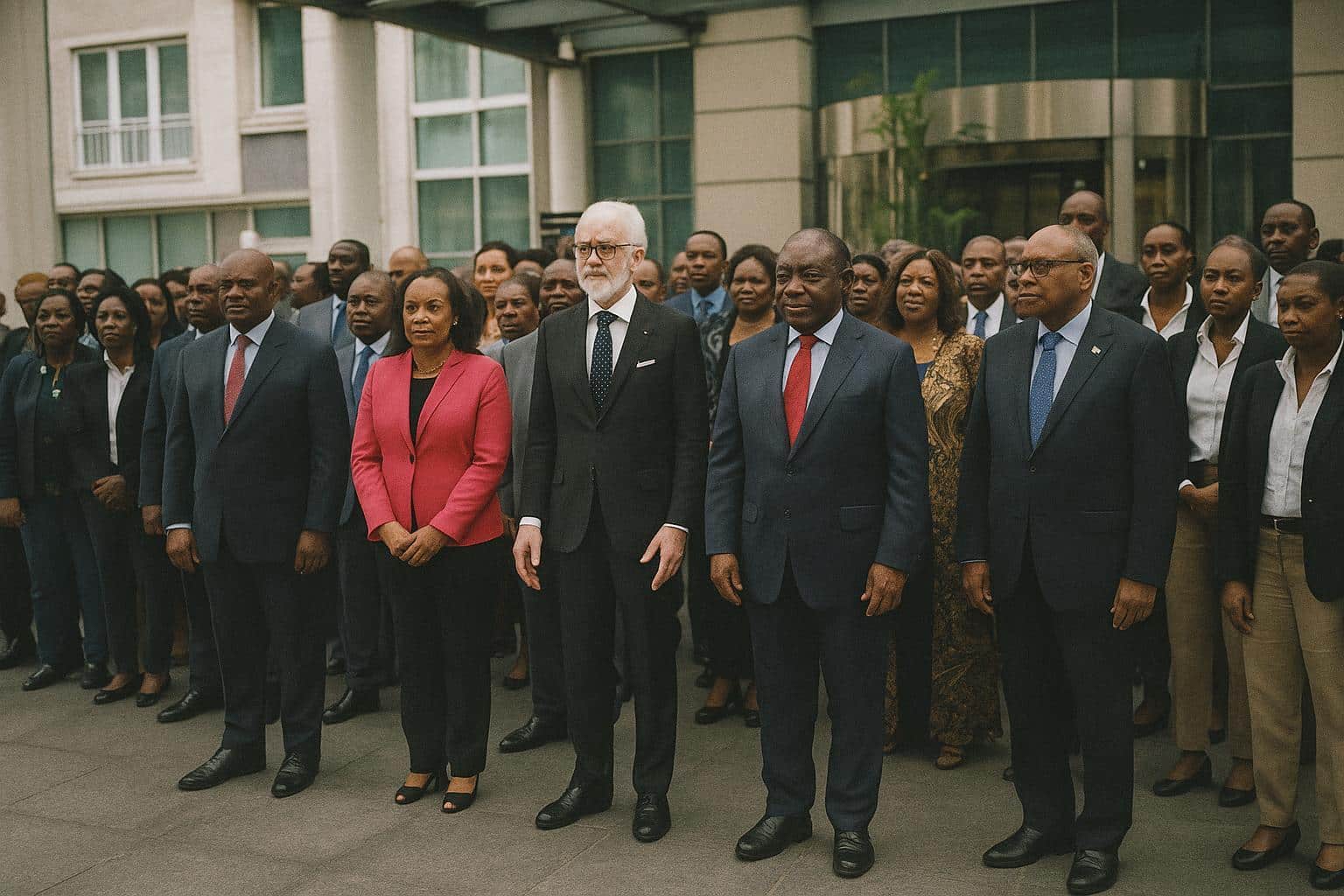
The quiet banquet hall of Brazzaville’s Pefaco Hotel filled with purposeful chatter from 50 women reporters last week, all focused on a single horizon: March 2026, when Congo’s electorate will choose its president again. Their three-day workshop blended optimism, caution and a firm sense of duty.
Convened by UNESCO in concert with the Ministry of Communication and Media and the Independent National Electoral Commission, the session sought to sharpen coverage standards while advancing gender parity in newsrooms. Organizers say the initiative continues a capacity-building line first launched during the 2021 legislative cycle.
Government Endorsement and Opening Messages
Opening remarks came from Minister Thierry Moungala, whose portfolio includes government spokesperson. He welcomed what he called “a chorus of new voices that will humanise the national conversation” and argued that the profession benefits when “maternal empathy and investigative rigor stand side by side”, according to the ministry transcript.
UNESCO representative Fatoumata Barry Marega reminded participants that the digital age multiplies rumours at viral speed, making professional verification indispensable. “Every smartphone can publish, yet not every post serves the public interest,” she stressed, citing recent miscaptioned images shared during regional ballots as cautionary tales.
Deep-Dive Curriculum for Modern Challenges
The curriculum, crafted by veteran journalist Arsène Sévérin Ngouéla, interwove modules on constitutional law, election logistics, source protection and physical safety. Sessions on trauma awareness addressed the emotional load reporters can carry when navigating contested campaigns, an oft-overlooked aspect of press freedom discussions.
Guest lecturer Gaston Ololo, who chairs the CNEI’s technical commission, explained protocols designed to transmit precinct results transparently. He argued that clear media explanations of these steps build public trust long before official tallies emerge, reducing space for speculation that can polarise communities.
Ethics, Speed and the Fact-Checking Imperative
Another voice, former High Councilor Joachim Mbanza, traced the arc of Congolese electoral journalism since the early multiparty era. He pointed to improvements in access to information legislation, yet cautioned that deadlines compress ethical reflexes: “Speed is seductive; accuracy remains sovereign,” he told the room.
Prosper Miyindou Ngoma of the United Nations Information Center steered a hands-on fact-checking drill using synthetic social media accounts. Participants practised geolocating photos and cross-referencing casualty figures, skills UNESCO says proved decisive during last year’s cyclone coverage across Southern Africa.
More Women at the Political Desk
Beyond technicalities, the workshop highlighted representation. Latest figures from the Congo Union of Journalists show women comprise 35 percent of accredited reporters nationally but barely 20 percent of political correspondents. Raising that share, trainers said, is essential to reflect the electorate’s demographic makeup.
Several attendees, including state-television producer Marie-Noëlle Nguelet, noted that newsroom hierarchies are slowly evolving. “I joined as a weather intern ten years ago; today I supervise field teams,” she said, crediting senior editors’ mentorship and policy shifts that promote maternity-leave continuity.
International and Policy Context
International observers have long tied balanced media environments to peaceful polls. The African Union’s 2024 handbook on election observation lists gender-sensitive journalism among key benchmarks. Congo’s government, which invited AU monitors in 2021, signals readiness to do so again, according to diplomatic notes circulated in Brazzaville.
Foreign missions watching the 2026 race have quietly welcomed the training. A European Union delegate said the program complements earlier seminars on cyber-security held with the National Police, creating a “whole-of-society bulwark against disinformation”. Neither the EU nor UNESCO disclosed funding figures for the workshop.
Bridging Gaps and Monitoring the Campaign
For analysts, the initiative also signals alignment with Congo’s digital transformation strategy, launched in 2023. That plan emphasises skills transfer, local content and data sovereignty. By investing in women journalists, the communication ministry positions itself as both guardian of stability and promoter of inclusive growth.
Still, challenges linger. Internet penetration outside major cities hovers below 40 percent, limiting audience reach. Some community stations operate on tight budgets, hindering deployment of newly trained reporters. Organisers said follow-up mentorship and equipment grants, already under discussion, could bridge the urban-rural gap.
Civil society groups such as the Congolese League of Consumers have proposed joint media-monitoring desks during the campaign to evaluate hate speech and misinformation trends. Workshop alumna Clarisse Okemba said those partnerships would “allow citizens to critique coverage with facts rather than conjecture”.
Networks for the Home Stretch
By the close of the seminar, participants formed an informal WhatsApp network to share leads and safety alerts in real time. UNESCO facilitators plan quarterly refresher webinars and a reunion just before the February 2026 candidate registration deadline, when news intensity traditionally accelerates.
Whether the effort will translate into more nuanced election coverage will become evident only as the 2026 campaign unfolds. For now, the women of Pefaco Hotel return to their newsrooms carrying updated guidelines, new peer support and a collective pledge to “protect the truth together”.
As dusk settled over the Congo River, a participant joked that the countdown to March 2026 had officially started.