
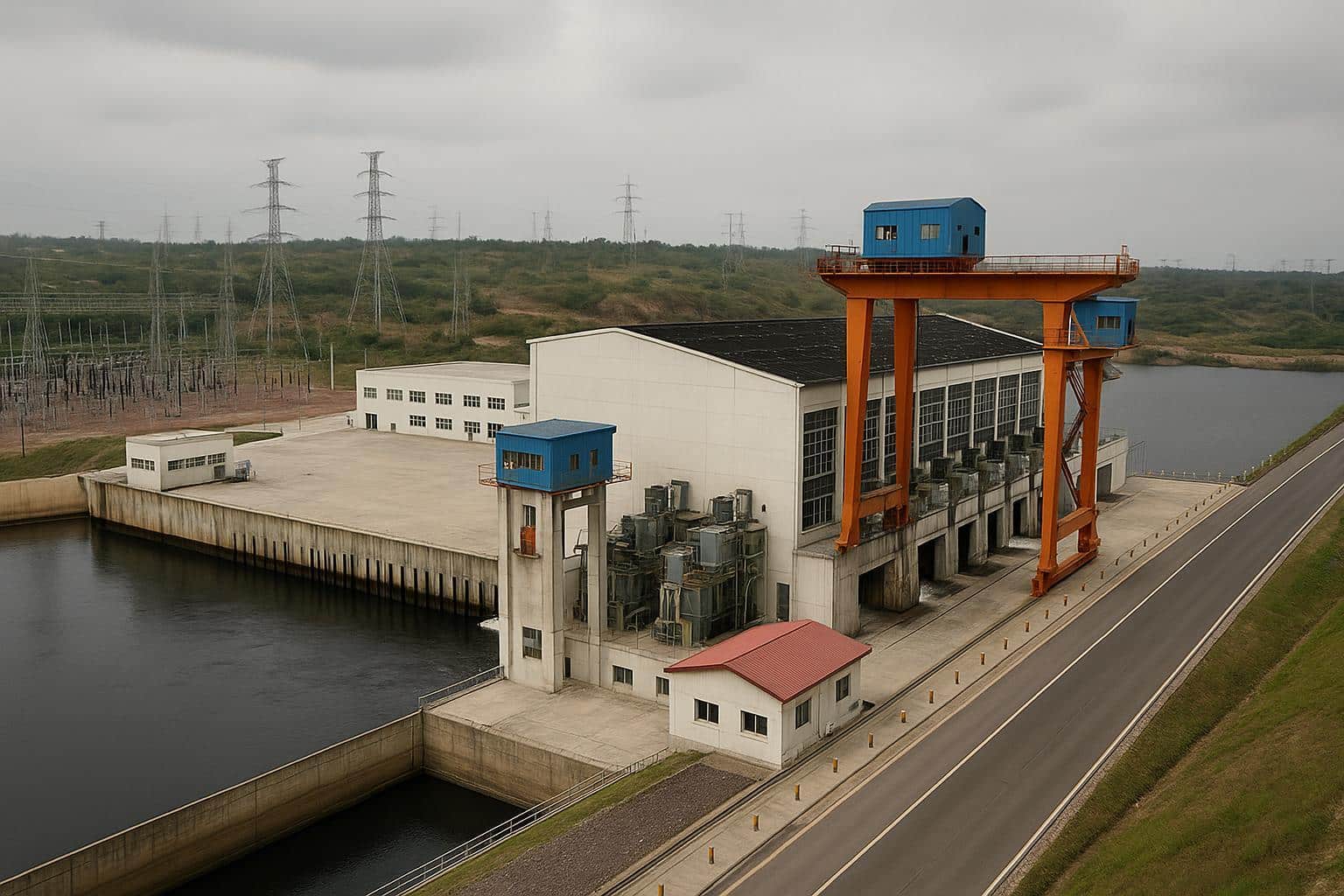
Government endorses National Energy Pact
Meeting in Brazzaville on 17 September, the Council of Ministers approved a draft decree that makes the National Energy Pact official law in the Republic of Congo. The text, presented by Energy and Hydraulics Minister Emile Ouosso, sets an ambitious timetable for sector transformation.
The decree forms part of the administration’s broader economic diversification agenda and is expected to guide public agencies, private investors and development partners until 2030. Officials call it a single reference document for rehabilitation, expansion and pricing of electricity infrastructure across the country.
Infrastructure and regional integration priorities
Central to the pact is the rehabilitation of ageing transmission lines, substations and thermal plants at competitive cost. The government argues that modern equipment will reduce technical losses, improve voltage stability and shorten the time needed to connect new households or businesses.
The document also stresses regional power trade through the Central African Power Pool, allowing Congo to leverage hydro resources in neighbouring states and export surplus gas-fired capacity during peak seasons. Officials see regional integration as a way to lower tariffs for end users.
Universal access targets with rural focus
The pact’s social pillar seeks universal access by 2030, with particular attention to remote districts that remain beyond the reach of the main grid. Decentralised mini-grids and stand-alone solar kits are cited as interim solutions while backbone infrastructure advances.
In parallel, the draft decree calls for accelerated adoption of clean cooking appliances to curb indoor pollution. Liquefied petroleum gas, improved biomass stoves and electric induction plates are listed as priority technologies that can lessen pressure on forest resources and improve public health.
Private investment and financial sustainability
Minister Ouosso told cabinet colleagues that mobilising private capital is indispensable to meeting the timetable. The pact thus promotes new public-private partnership frameworks and tariff methodologies intended to safeguard investor returns while preserving affordability for vulnerable households.
The decree also instructs utility managers to strengthen billing systems, optimise maintenance schedules and publish audited accounts. Officials believe these measures will improve cash flow at the national power company, attract concessional loans and ultimately support gradual tariff convergence with regional averages.
Presidential commitment and continental momentum
During the meeting, Ouosso reiterated President Denis Sassou Nguesso’s pledge to deliver electricity to nearly six million Congolese by the close of the decade. The figure represents a transformative leap for a nation whose population is projected to approach seven million.
Brazzaville’s ambitions align with a continental agenda shaped at the African Energy Summit convened in Dar es Salaam by the World Bank, the African Development Bank and partners on 27–28 January 2025. Delegates charted a pathway to supply power to 300 million Africans.
The Republic of Congo endorsed the outcome document, known as the Dar es Salaam Convention, within which signatories commit to coordinated reforms, knowledge exchange and pooled procurement. Government aides say that endorsement strengthens Congo’s hand when negotiating technical assistance or concessional financing.
Implementation roadmap to 2030
According to the pact, short-term actions include auditing generation assets, mapping priority feeders and finalising legal texts that clarify licensing rules for independent power producers. A progress review is scheduled every two years under the supervision of the Prime Minister’s office.
Medium-term milestones encompass completing backbone transmission corridors between Brazzaville, Pointe-Noire and northern departments, integrating digital meters and bringing at least 250 000 new rural connections online. Success will depend on timely budget releases and predictable disbursement from multilateral partners.
By 2030, planners expect that universal access targets will coincide with the operational break-even of the public utility. Officials say this synthesis of social and financial objectives is vital to shield future generations from recurring subsidy cycles.
Opportunities and challenges ahead
Economic analysts contacted after the cabinet meeting welcomed the clarity the pact provides but cautioned that implementation capacity remains the sector’s chronic bottleneck. They highlighted the need for robust procurement processes to ensure that new projects respect timelines and budgets.
Consumer advocates, meanwhile, stress that tariff reforms must be linked with transparent service-quality benchmarks. They argue that households will only accept cost-reflective pricing if outages fall, meters are accurate and customer service lines answer calls promptly.
Environmental groups back the clean cooking component, noting that smoke from traditional stoves currently causes respiratory ailments in many villages. However, they request detailed monitoring to verify that subsidised appliances actually reach intended beneficiaries and are used consistently.
Next institutional steps
Following cabinet adoption, the decree will be forwarded to the presidency for promulgation in the official gazette. Line ministries are preparing implementing orders to translate its articles into actionable checklists, while parliament’s economic committee has scheduled an oversight hearing for early next year.
Stakeholders say that regular publication of performance indicators—such as connection numbers, outage duration and gender-disaggregated access data—will build public trust and enable course corrections. The Ministry pledges to post quarterly dashboards on its website once the decree enters into force.