
Congo-Brazzaville healthcare pledge for 2030
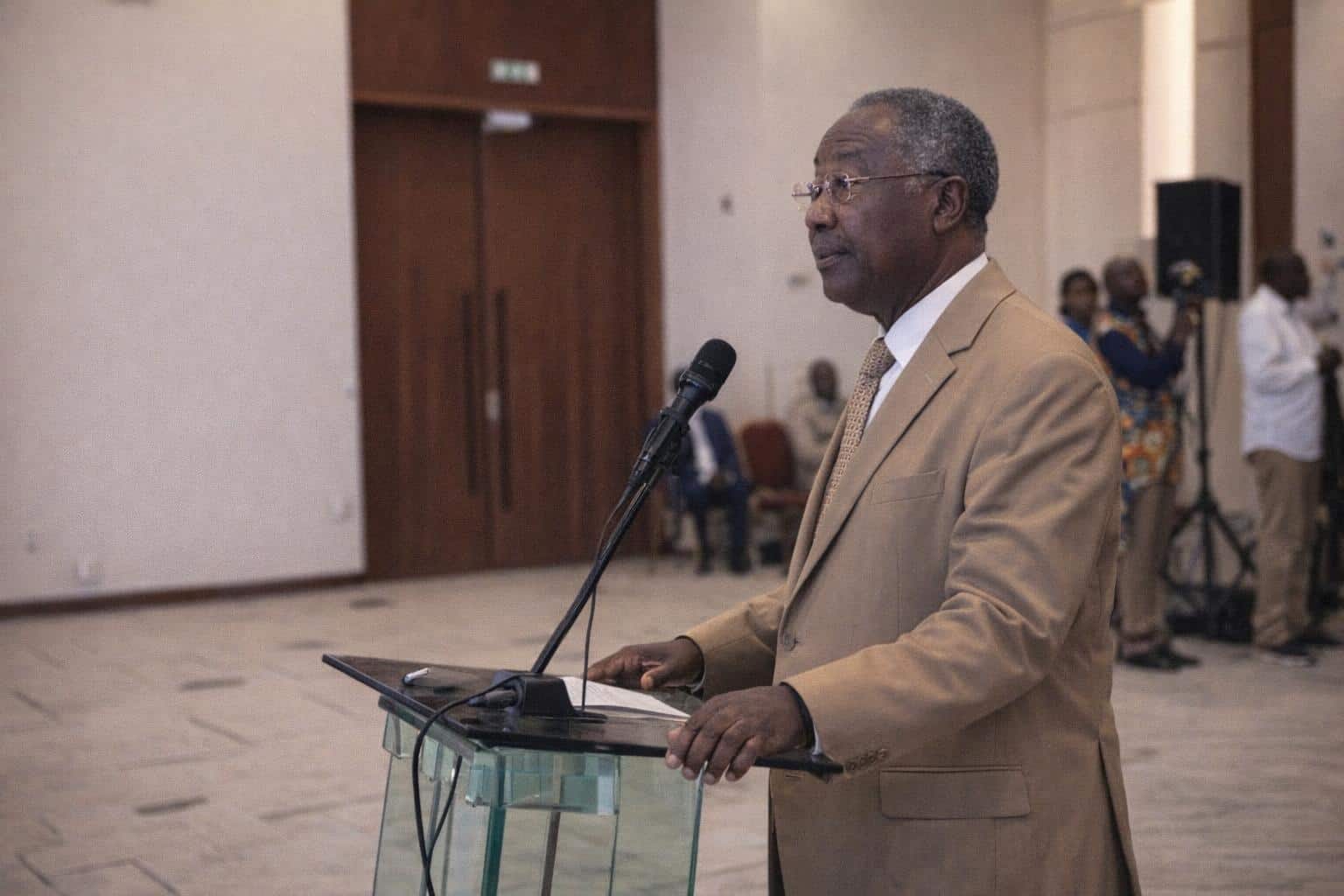
On Jan. 17 in Kintélé, in the Pool department, Congo-Brazzaville’s Minister of Health and Population, Jean-Rosaire Ibara, said he is committed to ensuring all Congolese can access quality health services at lower cost by 2030.
Speaking at the close of a technical review, Ibara framed the goal as part of a broader effort to consolidate both the supply of care and people’s access to services, linking strategy, budgeting and implementation in a single policy direction.
Budget planning: 2025 work plans and 2026 interventions
The minister spoke at the end of work focused on reviewing the 2025 budgeted annual work plans and preparing health interventions for 2026. The theme was “Consolidating the supply of and access to quality care,” according to the official account.
By placing the 2030 objective alongside the planning cycle for 2025 and 2026, the ministry presented the pledge as something to be translated into measurable activities, financed through annual plans and tracked through a structured review process.
Four pillars: accountability, resilience, equity, performance
Ibara said the future services should rest on four principles: accountability, resilience, equity and performance. The language signals a push for stronger management culture in the health sector, with attention to outcomes as well as institutions.
Accountability, he explained, requires a system in which managers report on decisions and actions with transparency and responsibility. In practice, that implies clearer reporting lines and expectations across facilities, districts and central administration.
Resilience was presented as the capacity to withstand future health crises. The minister’s remarks suggest a focus on preparedness, so the system can respond to shocks while continuing routine care, especially in periods of pressure on hospitals and clinics.
Equity, in the ministry’s framing, means patients can be supported regardless of where they live and regardless of income. The stated aim is to narrow geographic and social gaps that can shape people’s experience of access.
Performance, he added, should be tied to the proper functioning of hospitals and health centers, with an emphasis on rigor, modernity and efficiency. The approach highlights service quality as a management issue, not only a medical one.
Patient dignity and the public service ethos
Ibara argued that a nation’s health reflects its strength, its humanity and its potential for the future. He told health workers they have a duty to treat patients with dignity, respect and compassion, placing interpersonal care at the center of service quality.
He also recalled the President Denis Sassou Nguesso’s position on healthcare, saying the head of state believes access to health is not a privilege granted, but an inalienable right and an essential pillar of national sovereignty, according to the same statement.
Governance and infrastructure: facilities in 15 health departments
At the end of the session, additional recommendations were recorded. They include strengthening achievements in health governance, an expression that typically covers how the sector is managed, coordinated and supervised, as well as how decisions are monitored.
The recommendations also pointed to rehabilitation across the 15 health departments, focusing on Integrated Health Centers and district-level basic hospitals. The objective, as presented, is to improve the physical and operational base for primary and first-referral care.
Another priority cited was the availability of medicines and health products in health facilities. The emphasis signals recognition that quality care depends not only on staffing and buildings, but also on reliable supplies at the point of service.
Cross-border health security under the One Health approach
Ibara raised the need to strengthen cross-border epidemiological surveillance. He mentioned creating a directorate for cross-border health security, intended to better coordinate responses to hospital emergencies shared with neighboring countries.
The proposal was linked to the “One Health” approach, which connects human, animal and environmental health. In Congo’s context, the focus on coordination suggests a desire for clearer operational leadership where risks and movements cross borders.
Training: initial and continuous professional development
The minister also spoke of intensifying initial and continuous professional training for health personnel across all areas of specialization. The message underscores workforce development as a long-term lever for quality, not an optional add-on to infrastructure spending.
By stressing both entry-level and ongoing training, the ministry’s narrative aligns clinical competence with system performance. The implication is that improving care at lower cost depends partly on skills, standards and consistent practice in facilities.
International partners present in Kintélé session
The work, which began Jan. 15, brought together several institutions, including the World Health Organization, the United Nations Development Programme and UNICEF, the official report said. Their presence indicates continued coordination with technical and development partners.
For the ministry, the setting offered a platform to align national planning with support from international organizations, while keeping the policy message anchored in domestic priorities and the government’s stated commitment to broad access.
What the 2030 target signals for households and investors
Ibara’s pledge speaks directly to household concerns about affordability, while tying reforms to accountability and performance. The framing suggests the government wants results that can be seen in daily patient experience, not only in national indicators.
For investors and employers watching human capital and productivity, the stated focus on resilient services, functional facilities and medicine availability matters because health systems shape labor stability and confidence. The ministry’s roadmap, however, remains linked to yearly plans and execution.