
A Committee Validates a Positive Turnaround
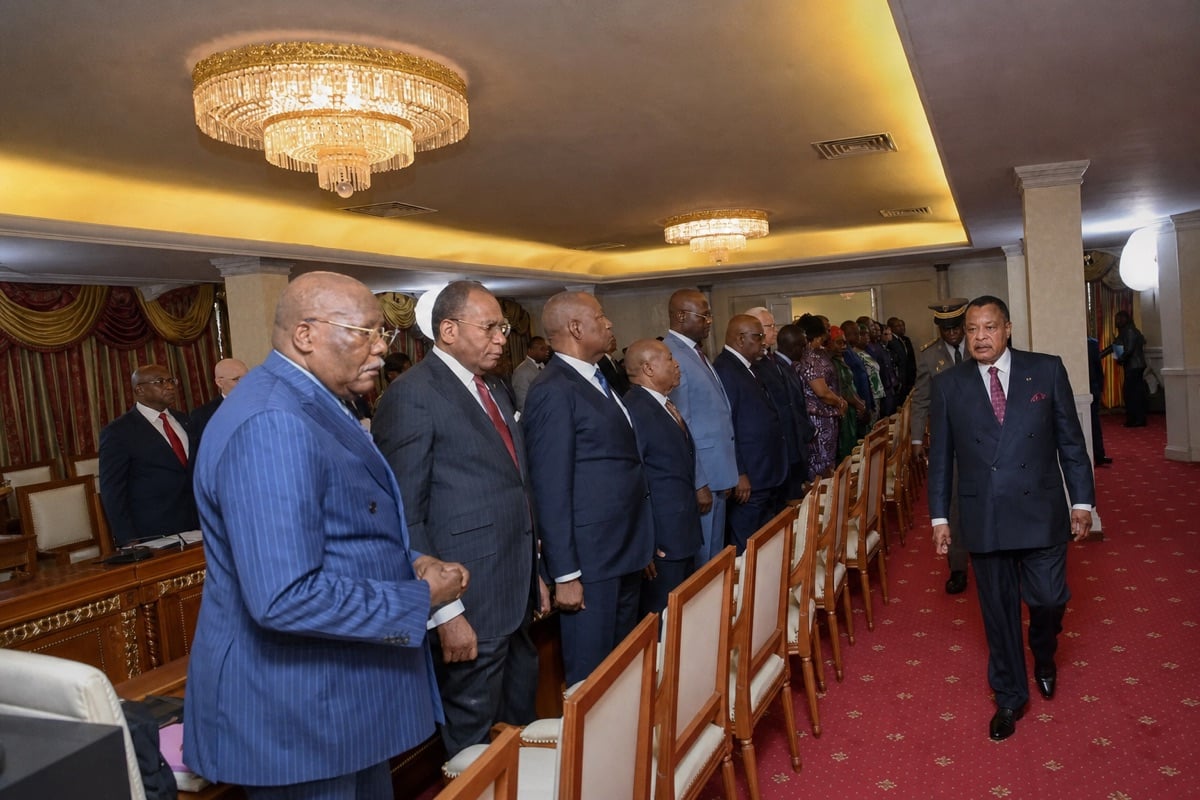
On March 18, 2026, the Comité national de la balance des paiements — Congo-Brazzaville’s national balance of payments committee — gathered to review the country’s external accounts for the year 2024. The conclusion it reached was significant: a global surplus of 81 billion FCFA, a result that committee members described as historic given what had preceded it.
The previous year, 2023, had produced a deficit in the same accounts. The reversal was therefore not merely a positive number on a spreadsheet — it represented a meaningful shift in the trajectory of Congo-Brazzaville’s macroeconomic position, at least as measured through the lens of external transactions.
GDP Growth and a Broader Base
Armel Fridelin Mbouloukoue, the committee’s rapporteur, presented the findings to the assembled members. His report pointed to a real GDP growth rate of 2.1 percent for 2024, a figure that contributed to the improved balance of payments outcome.
What distinguished this growth, according to the committee’s analysis, was its composition. The performance was driven in significant part by the non-oil sector — a detail that carries particular weight in Congo-Brazzaville, an economy that has long been shaped by petroleum revenues and their attendant volatility. A contribution from beyond hydrocarbons suggested movement, however tentative, toward the diversification agenda that Congolese economic planners have pursued for years.
Diversification as a Long-Term Priority
The non-oil sector’s contribution to the 2024 performance was presented as a positive signal for the national economic diversification strategy. Congo-Brazzaville’s dependence on hydrocarbons has made it acutely sensitive to global oil price fluctuations. When prices fall, government revenues contract, public spending comes under pressure, and the economy feels the effects across sectors.
A non-oil growth contribution, even partial, points toward the possibility of a more balanced productive base. Whether that trajectory can be sustained and deepened remains a central question for economic policymakers. The 2024 data provided grounds for measured optimism, without resolving the structural question of long-term dependence on oil.
Prudence Alongside the Positive Headlines
Despite the encouraging indicators, the committee’s tone remained cautious. The CNBP called for an acceleration of structural reforms to consolidate the gains achieved. Its recommendations specifically emphasized the need to continue diversifying economic activity and to strengthen trade flows within the Economic and Monetary Community of Central Africa — CEMAC — of which Congo-Brazzaville is a member.
The call to consolidate rather than celebrate reflected a sound instinct. A one-year surplus, however welcome, does not transform a structurally oil-dependent economy into a diversified one. The committee appeared aware that the 2024 result needed to be converted into a durable trend rather than treated as a destination.
External Accounts and Macroeconomic Governance
The balance of payments indicator tracks the total inflows and outflows of money from an economy — including trade, investment, remittances, and financial transfers. A surplus means that more money entered Congo-Brazzaville from the rest of the world than left it, a configuration that generally supports currency stability and reduces pressure on foreign exchange reserves.
Mbouloukoue’s presentation credited this outcome to “better management of external accounts and more rigorous handling of macroeconomic balances.” That language suggested not only favorable external conditions but also deliberate governance choices — decisions made within the Congolese economic apparatus that contributed to the improved result.
What the Numbers Mean for Policy
For the government entering the 2026-2031 quinquennium, the 2024 balance of payments data provided a relatively stable macroeconomic starting point. An inherited surplus, rather than a deficit, offered some room for the incoming cabinet to pursue its stated reform priorities — including infrastructure rehabilitation, digital transformation, and energy access — without immediately confronting a balance of payments crisis.
The CNBP’s call for accelerated reform suggested, however, that the surplus should not generate complacency. The structural vulnerabilities that have historically constrained Congo-Brazzaville’s economic resilience had not been eliminated by one year of positive external accounts. The committee’s findings were, at their core, an invitation to do more.