
A Forest Nation Under Pressure
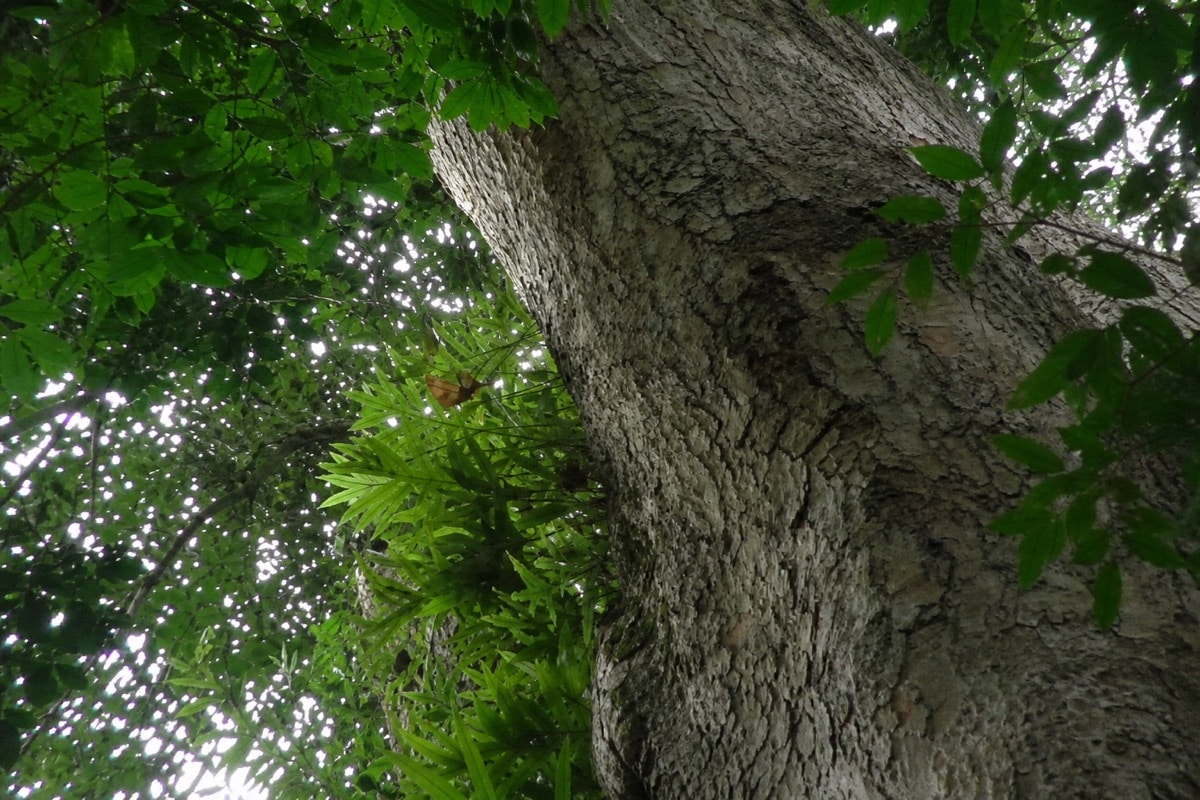
The Republic of Congo covers roughly 342,000 square kilometers, and about 69 percent of that territory remains forested. That figure has long been the cornerstone of the country’s identity as a steward of the second-largest tropical forest on earth, the Congo Basin.
But the numbers are shifting. According to data presented at a Brazzaville conference in May 2026, approximately 13 percent of the Congo Basin has already been degraded by deforestation. The pressures driving that loss — agricultural expansion, illegal logging and poaching — show little sign of easing.
BIODEV 2030 Phase 2 Takes Shape
Against that backdrop, the Republic of Congo launched the second phase of BIODEV 2030 on May 24, 2026. The initiative had originally been set in motion on January 7, 2025. It operates across 15 countries and is backed by a budget of 10 million euros.
The core objective is to integrate biodiversity considerations into economic decision-making rather than treating environmental protection as separate from development planning. The premise is that healthy ecosystems underpin agriculture, water security and rural livelihoods, and that economic strategies must reflect that dependency.
Conservation Gaps in Plain Sight
Congo’s existing network of protected areas covers between 11 and 13 percent of the national territory. That is broadly in line with international targets from earlier frameworks, but conservationists argue that legal protection on paper does not always translate into effective enforcement on the ground.
Braconnage — the poaching of wildlife — remains a serious problem in forest corridors where state presence is limited. Simultaneously, the expansion of smallholder farming into forested land continues to create tensions between subsistence needs and conservation imperatives.
From Reflection to Concrete Action
Zélo Karine Abibi, the national director of WWF Congo, framed the challenge in direct terms at the launch event. “We must move from reflection to action, implement concrete solutions,” she said, calling for greater investment in carbon markets and green finance mechanisms that could make biodiversity preservation economically viable for local communities.
Her remarks addressed a recurring frustration in conservation circles: that policy frameworks have multiplied while measurable progress on the ground has remained uneven.
A Pragmatic Multilateral Approach
Audrey Martinenq, deputy director of the French Development Agency (AFD) in Congo, added a practical dimension to the discussion. She stressed that approaches must remain “pragmatic and simple, while remaining evidence-based.” The AFD is among the international partners funding BIODEV 2030 in the region.
That framing reflects a broader evolution in how development institutions are approaching conservation financing. Rather than top-down mandates, the emphasis is increasingly on instruments that align economic incentives with environmental outcomes.
The Carbon Market Question
One of the most contested dimensions of Congo’s conservation strategy is its engagement with voluntary carbon markets. The country possesses vast quantities of standing forest that, if properly measured and certified, could generate carbon credits sold to international buyers seeking to offset emissions.
Proponents argue that carbon revenues could fund ranger salaries, community development and reforestation. Skeptics raise concerns about the integrity of measurement methodologies and the risk that market mechanisms could divert attention from direct protection efforts.
A Decisive Moment for Central African Forests
The Congo Basin’s ecological importance extends far beyond national borders. Scientists consistently identify it as a critical carbon sink and biodiversity reservoir, home to species found nowhere else on earth. The degradation of 13 percent of that basin is not merely a Congolese problem.
The launch of BIODEV 2030’s second phase places the Republic of Congo at the center of a conversation that Central African governments, international institutions and civil society actors will be navigating for the remainder of the decade. Whether that conversation translates into a measurable slowdown in forest loss remains an open question.