
Macroeconomic barometer tilts toward the green
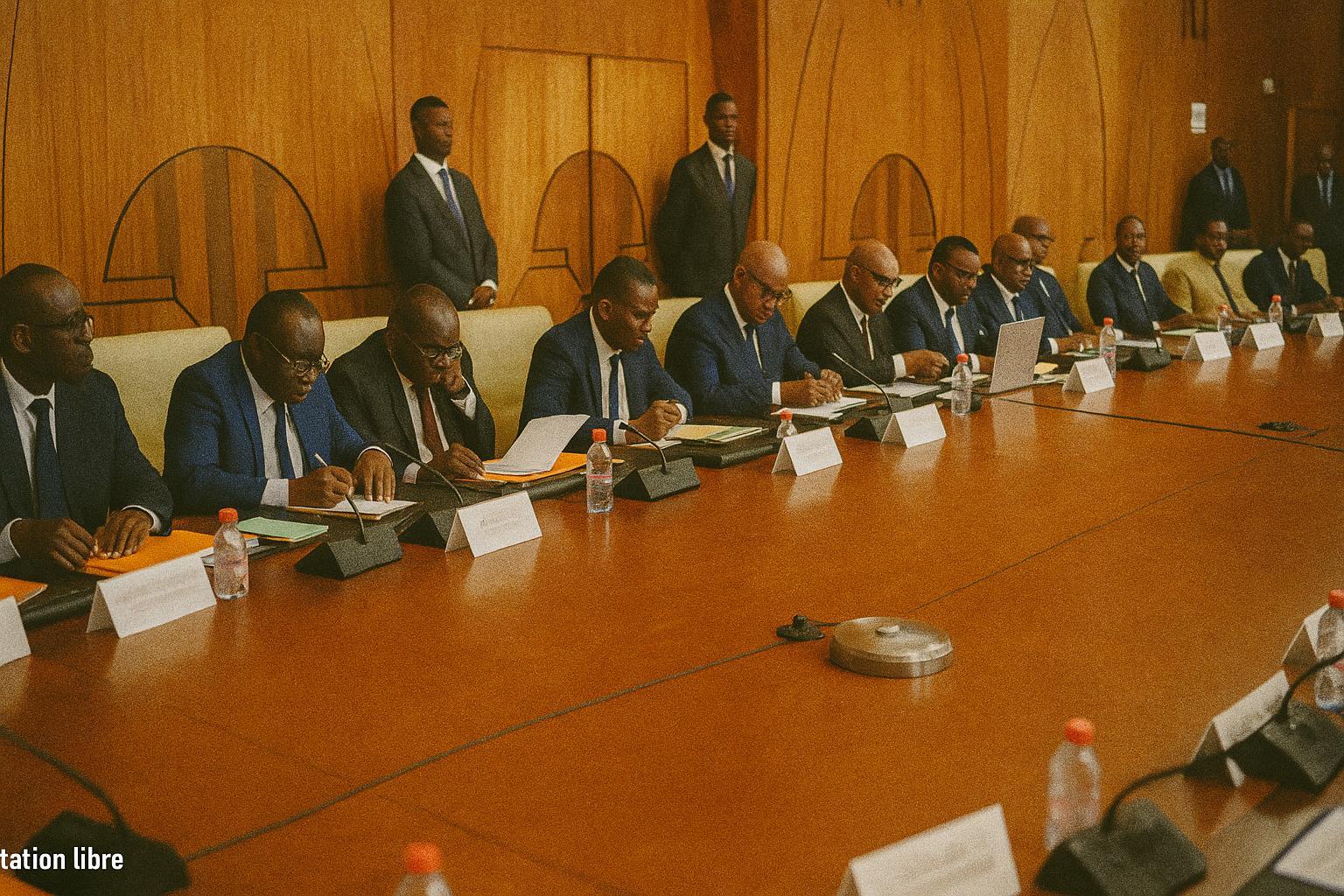
The second 2025 session of the National Economic and Financial Committee in Brazzaville unfolded in an atmosphere that seasoned participants described as “measured relief”. Updated data from the Bank of Central African States place first-quarter real GDP growth at 1.5 percent, a pace modest by regional standards yet markedly stronger than the same period last year. The Committee’s chair, Minister of Finance Christian Yoka, argued that a primary surplus, the first since the pandemic, signals a structural inflection rather than a fleeting windfall. Independent analysts from Control Risks and Oxford Economics concur that the trend is credible provided global crude prices remain above 70 dollars a barrel (Oxford Economics 2025).
Oil resilience and the diversification imperative
The current rebound still draws strength from the republic’s legacy hydrocarbon assets. Rig modernisation at Moho Nord, coupled with new seismic surveys in the onshore Cuvette Basin, lifted sectoral output by nearly three percent, according to the Hydrocarbons Ministry. Yet the Committee deliberately highlighted the incremental contribution of agro-processing, construction and digital services, now accounting for close to 40 percent of non-oil GDP. World Bank field research points to cocoa derivatives and timber by-products as early beneficiaries of accelerated logistics corridors linking Pointe-Noire to Cabinda (World Bank 2024). By praising these pockets of resilience, the Committee signalled policy continuity with the National Development Plan 2022-2026, which assigns half of public capital expenditure to non-extractive value chains.
Inflation under the microscope of monetary prudence
Headline inflation, projected at 3.5 percent for 2025, breaches the CEMAC convergence ceiling of three percent, yet remains below levels observed in several peer economies. The surge stems largely from imported food inputs and intermittent electricity supply, a dynamic familiar to many energy-exporting states navigating refinery upgrades. The BEAC’s latest communiqué confirms that the policy rate will be held at 5 percent for now, allowing a still-fragile private sector to digest earlier hikes. Domestic credit has expanded by 3.3 percent, while non-performing loans slid to 16.6 percent of portfolios, the lowest ratio since 2019. Fitch Ratings interprets the data as early evidence that the central bank’s cautious tightening cycle is filtering through without choking liquidity (Fitch 2025).
Debt architecture and regional fiscal synchrony
Alongside domestic indicators, the Committee’s communiqué devoted ample space to the republic’s role inside CEMAC. The June Libreville conclave on Treasury market depth endorsed a fresh phase of digital integration among the six member states. Minister Yoka emphasised that the forthcoming single treasury account, now in pilot phase with the African Development Bank’s technical backing, will bolster revenue transparency and curb idle balances scattered across para-public entities. On the sovereign funding front, Brazzaville lowered its gross borrowing needs by 22 percent compared with the same window in 2024, yet still managed to raise 2.5 trillion CFA francs at a weighted average yield below five percent— evidence, officials insist, of investor faith in the administration’s reform trajectory.
In parallel, IMF staff conducting the fourth review of the Extended Credit Facility praised the authorities for reducing external arrears and enhancing debt data reconciliation (IMF 2025). The Fund nonetheless flagged vulnerability to commodity volatility, underscoring the importance of continued dialogue with Paris Club creditors. Government sources indicate that negotiations to re-profile certain bilateral maturities are progressing “constructively”, a term echoed by French Treasury envoys during their May visit to Brazzaville.
Policy signals watched by the diplomatic corps
For embassies and multilateral agencies stationed on the banks of the Congo River the latest signals add nuance to a narrative too often confined to oil cycles. The administration’s pledge to digitise tax collection, expand the formal sector and expedite the Pointe-Noire deepwater port concession resonates with investors scouting for a stable regional foothold. At the same time, diplomatic observers note that the government has kept dialogue channels open with labour unions and civil society organisations on subsidy reform, a stance that could reduce social friction as utility tariffs are gradually aligned with cost-recovery thresholds.
Congo-Brazzaville therefore enters the second semester of 2025 with a macroeconomic compass pointing north-east rather than due north. Incremental achievements—primary surplus, improved credit quality, tighter fiscal coordination—constitute building blocks, yet their permanence depends on unwavering policy execution amid unpredictable external headwinds. For now, the Committee’s verdict of “moderate optimism” appears justified, offering the diplomatic community a cautiously encouraging dossier as they refine engagement strategies with Brazzaville’s institutions.