
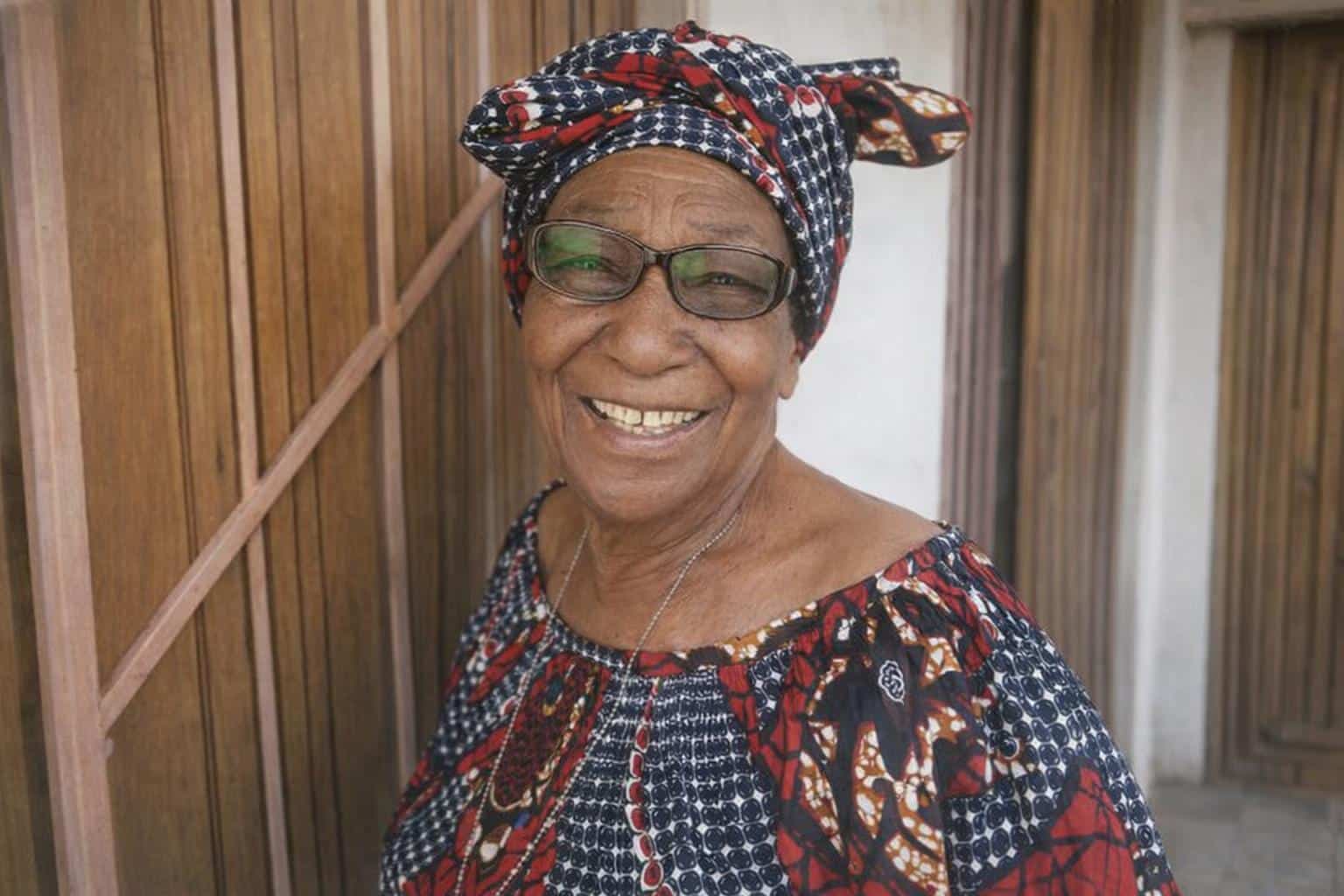
A Year of Reflection for a Parish Pillar
At dawn on 12 January, quiet bells rang across Brazzaville, marking one year since the passing of Françoise Goma, née Samba, revered parish pioneer, mother of five and pillar of two archdioceses.
Her death on 12 January 2025 left congregations in Brazzaville and Pointe-Noire grieving; her anniversary has instead become a moment to celebrate the values of solidarity and service that framed her life.
From her earliest days in the 1970s at Saint-Esprit of Moungali, she believed that laity could energise liturgy. Friends recall her insisting, ‘the Mass begins in the street, long before the altar’.
An internal note circulated by the Archdiocese of Brazzaville calls her ‘a discreet but decisive force behind parish renewal’ and urges believers ‘to convert nostalgia into volunteer action’ (Archdiocese of Brazzaville).
Brazzaville Dawn Mass Draws Hundreds
Hundreds filed into Saint-Michel de La Base before sunrise, despite the lingering Harmattan wind. The 6:15 liturgy mixed Lingala hymns with French psalms, a repertoire she helped standardise during the 1980s reform.
In his homily, Father Donatien Ngoma reminded congregants that ‘Sister Françoise taught us that faith without works is mere sound’, echoing James 2:17 while encouraging parishioners to join education and health committees.
Parish records show that Goma personally coordinated the supply of desks to three primary schools in Mfilou during a 2016 enrolment surge, tapping small business donations rather than waiting for external aid.
Several officials from the Ministry of Social Affairs attended the Mass, highlighting the government’s recognition of grassroots initiatives that lighten public workloads, though protocol kept speeches short to maintain the prayerful atmosphere.
Pointe-Noire Celebrates Her Charismatic Impact
In Pointe-Noire, Saint-Jean Bosco of Tié-Tié held an afternoon remembrance with characteristic coastal rhythm. Former choir members revived the charismatic chants she once accompanied on an aging harmonium purchased through collective savings.
Sister Blandine Munari, current choir director, recalled, ‘Mama Françoise never raised her voice; she raised ours. She persuaded fishermen to contribute to microphones because she wanted every child heard’.
Data from the parish finance council indicate that the choir’s annual budget multiplied fourfold between 1985 and 1992, the period during which Goma chaired fundraising drives among market women.
City Council culture officer Alain Massamba, present at the ceremony, believes such low-profile civic mobilisation complements municipal programmes targeting youth unemployment by nurturing soft skills like discipline and teamwork.
He hinted that future cultural grants could prioritise groups with documented inter-generational mentoring, citing the Saint-Jean Bosco model as ‘evidence that music ministries can incubate social entrepreneurs’ (Pointe-Noire City Council).
Family Tributes Span Continents
Back in Brazzaville, the family home in Mfilou became a revolving door of visitors. A photo wall documented milestones: baptisms she sponsored, bursaries she funded and weddings where she served traditional dishes.
Speaking from France, Abbé Éric Paul Goma, her second child, told this newspaper that ‘my mother’s theology was one of presence; she stood where people felt unseen, from hospital corridors to exam halls’.
Eldest daughter Chantal Olga Boudzoumou organised an online prayer room, enabling diaspora relatives in Canada, Belgium and the Gulf to leave recorded intentions, a practice the family expects to sustain annually.
Grand-daughter Maëva, 17, said the commemoration motivates her to study nursing, ‘so the next generation keeps the promise she made to the sick’. Such testimonies underline the matriarch’s multilevel influence.
Women’s Spiritual Leadership Strengthened
Academics at Marien Ngouabi University note that lay women like Goma have historically bridged gaps between urban parishes and peri-urban settlements, often faster than formal programmes can extend infrastructure.
Sociologist Dr. Irène Loufoua, author of ‘Faith in the City’, argues that the Fraternité Saint-Michel, which Goma co-founded, anticipated modern community-based organisations by pairing bible study with micro-savings groups.
Government statistics show that informal savings circles mobilise nearly 40 percent of household credit in Brazzaville; church-anchored cells, analysts say, improve reimbursement rates by embedding moral accountability.
Observers view the late pioneer’s methods as aligned with the national development plan’s emphasis on social cohesion, illustrating how religious actors can support state priorities without compromising doctrinal autonomy.
Bouka Cemetery Becomes a Place of Pilgrimage
After the final hymn, a convoy travelled north to Kintélé’s Bouka cemetery where Goma was laid to rest beside her husband. The site overlooks the Congo River’s quiet marshy branch.
Caretakers report a steady trickle of visitors throughout the year, many leaving handwritten notes thanking her for school fees or medical bills paid anonymously; the family collects and archives these papers.
Plans are underway to refurbish the cemetery’s access road through a public-private scheme involving Kintélé municipality and a collective of local transport operators, easing visits for elderly mourners.
As sunset coloured the river, Abbé Éric recited Apocalypse 21:3-4, the same passage read at her funeral, reminding attendees that faith promises continuity beyond physical departure—a sentiment that framed the day.