
Brazzaville sets the stage for a fresh mandate
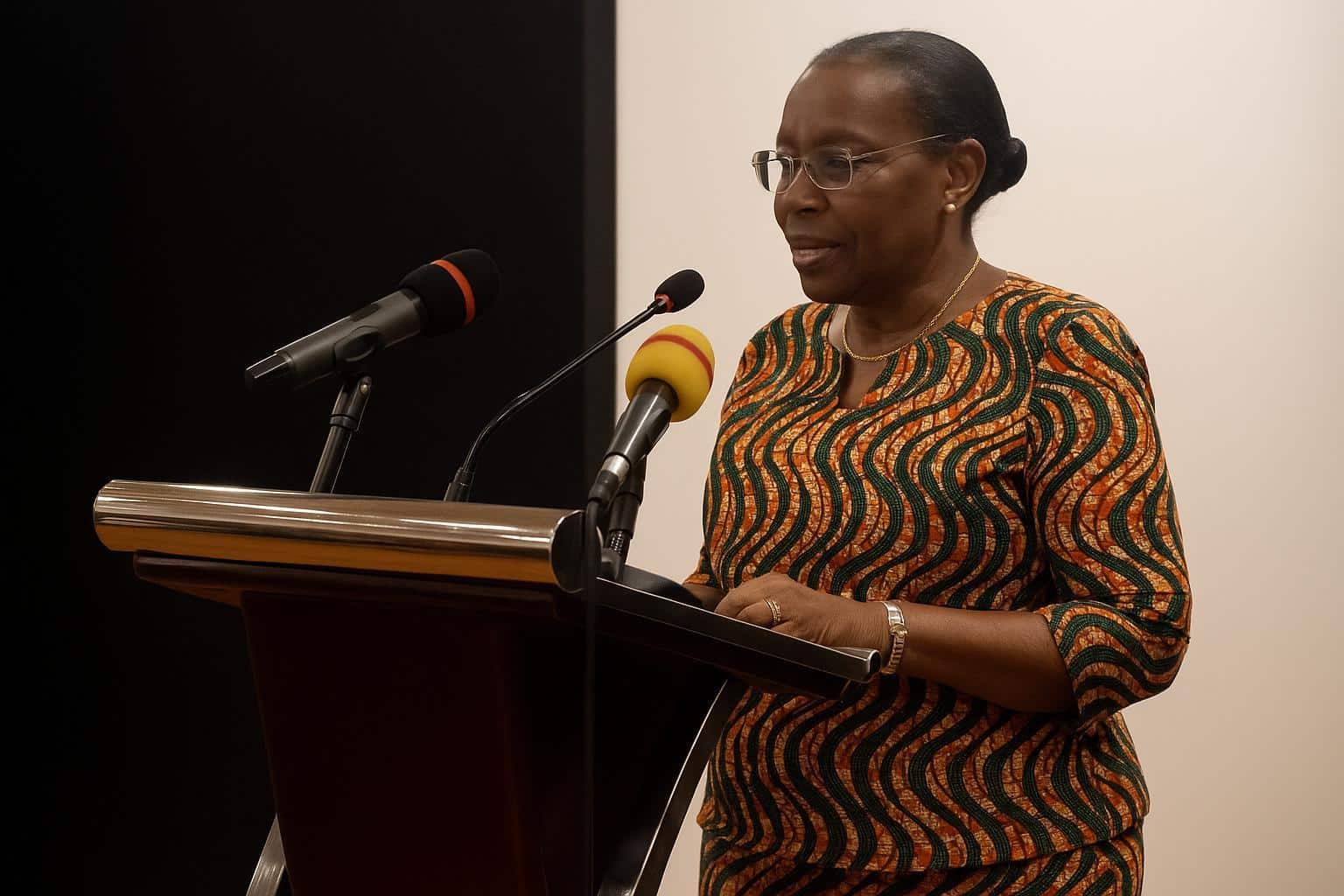
Soft morning light filtered through the glass atrium of the Grand Lancaster hotel on 30 October 2025 as Emilienne Raoul gaveled the inaugural and ordinary session of the Economic, Social and Environmental Council, commonly known by its French acronym CESE.
Prime Minister Anatole Collinet Makosso, flanked by cabinet members and representatives of United Nations agencies, took his seat in the front row, signaling firm executive support for the advisory body’s new five-year term.
A consultative pillar in national governance
The CESE occupies a unique spot within Congo’s institutional architecture. Created to channel the views of organised civil society into policymaking, the council issues non-binding opinions that often guide legislative drafting or ministerial decrees, officials reminded reporters after the opening ceremony.
Its 150 advisers come from chambers of commerce, farmers’ unions, professional orders, faith groups and academia, a constellation Raoul described as “the living fabric of our nation” during her keynote address.
Raoul balances praise with gentle scrutiny
Starting her second term, the former health minister thanked the government for maintaining an “unbroken thread of dialogue,” yet she did not shy away from highlighting areas that, in her words, “call for vigilance.”
Chief among them is the translation of the 2023 organic law on CESE operations into concrete parity. The statute states that at least half the seats should be held by women, a benchmark celebrated when 56 percent female representation was reached in the previous mandate.
Parity numbers prompt a closer look
According to the presidential decree of 13 May 2025, women now account for 48 percent of advisers. Raoul called the shortfall an administrative oversight rather than a step back, adding that corrective measures could restore full compliance during mid-term renewals.
Observers from the national gender council, citing provisional tallies they shared with this newspaper, said the gap may close once vacant seats for rural cooperatives are filled later this year.
Government response underscores consensus culture
In a brief reply, Makosso pledged to “look carefully at the figures” while stressing that the CESE’s chief value lay in fostering social peace through consensus. “Our strength as a plural society rests on consultation, not confrontation,” he told the plenary, drawing sustained applause.
Behind the scenes, senior officials indicated that a joint tasks force between the ministries of Civil Service and Gender Equality could review appointment procedures before the 2026 supplementary session.
Youth representation rises on the agenda
Raoul also unveiled statistics showing that members under 40 make up barely 12 percent of the assembly, even as two-thirds of the national population fall below that age. She proposed setting a youth quota inside each socio-professional college, an idea already circulating among student leagues.
Economist Jean-Baptiste Okouango, interviewed outside the hall, argued that pulling younger voices into strategic debates on digital economy and climate finance would sharpen the council’s forward-looking lens.
A platform for inclusive development goals
Throughout the morning, references to the Sustainable Development Goals, the African Union’s Agenda 2063 and Congo’s own National Development Plan surfaced repeatedly.
Raoul linked the three frameworks, insisting that “no woman, no man, no community must remain on the margins”—a formulation echoing President Denis Sassou Nguesso’s 2021 inaugural speech.
Climate and social cohesion intertwine
With forests covering nearly two-thirds of Congolese territory, environmental stewardship forms a core mandate for the council. Raoul signaled that forthcoming opinions would examine carbon credit markets and community forestry schemes to ensure local populations benefit from conservation revenues.
She added that equitable access to clean energy could prevent social fractures, noting that rising urban electricity demand must be matched by rural electrification to avoid what she termed “two speeds of modernity.”
Operational roadmap adopted by acclamation
In its first administrative act, the plenary approved internal rules, a five-year strategic plan and a simplified digital platform for public consultations. Staff said the website, funded by the UN Development Programme, should go live before year-end, letting citizens comment on draft opinions.
The budget, endorsed earlier by the Finance Ministry, allocates 5 billion CFA francs annually, prioritising field missions to departments historically under-represented in national dialogues, particularly the Plateaux and Sangha regions.
Civil society voices welcome renewed openness
Henriette Ibata of the Federation of Rural Women said the council’s tone is “encouraging,” especially the pledge to revisit parity figures. “It is not merely symbolism; policies feel more legitimate when half the table looks like the other half of the country,” she remarked.
Meanwhile, the Pointe-Noire Chamber of Commerce signalled it will submit proposals on marine logistics infrastructure, a sector expected to anchor non-oil diversification efforts.
Diplomatic community notes positive signals
Representatives from the International Monetary Fund and the CEMAC Commission attended the session. A European diplomat, speaking on background, rated the council’s blend of social focus and macroeconomic awareness as “a useful compass” for partners calibrating technical assistance.
The diplomat nonetheless stressed that timely follow-through on recommendations will determine outside perceptions of effectiveness.
Balancing expectations with institutional limits
By design, CESE opinions remain advisory, a reality Raoul acknowledged. She argued, however, that moral authority can catalyse policy shifts, recalling how a 2022 CESE note on artisanal mining safety led to stricter regulations within four months.
Analysts at the Brazzaville Governance Observatory believe the body’s impact will hinge on its ability to release data-rich reports that resonate with ministries overseeing sectoral reforms.
Looking ahead to the 2026 ordinary session
The council’s calendar foresees three thematic assemblies next year: green jobs, food security and digital inclusion. Preparatory working groups begin in January, giving each college four months to collect grassroots input before plenary debate.
Raoul urged advisers to visit their constituencies rather than rely solely on expert panels, arguing that proximity builds credibility.
Makosso’s closing message of steady partnership
Before leaving for the prime minister’s office, Makosso congratulated the assembly on what he termed “a purposeful start,” reiterating that the presidency views CESE as “an institutional relay between governing bodies and lived realities.”
He nodded affirmatively when reporters asked whether cabinet briefings would integrate CESE recommendations more systematically, hinting at monthly coordination meetings.
An institution tested by evolving societal demands
As cameras dimmed, veteran adviser Maurice Ndongo reflected on the day’s speeches. “Consensus is neither inertia nor capitulation,” he mused. “It is the art of moving together at a pace everyone can sustain.”
That art will be measured over the 2025-2029 term as the council navigates demographic pressures, climate urgency and the quest for diversified prosperity.
Final reflections on a consultative compass
The inaugural session closed on a note mixing optimism with operational prudence. Raoul’s dual focus on parity and youth, coupled with Makosso’s readiness to engage, suggests fertile ground for constructive advice.
Yet the council’s ultimate currency remains trust, earned when inclusive dialogue translates into policies felt in homes from Brazzaville’s Talangaï district to the remotest village along the Likouala River.