
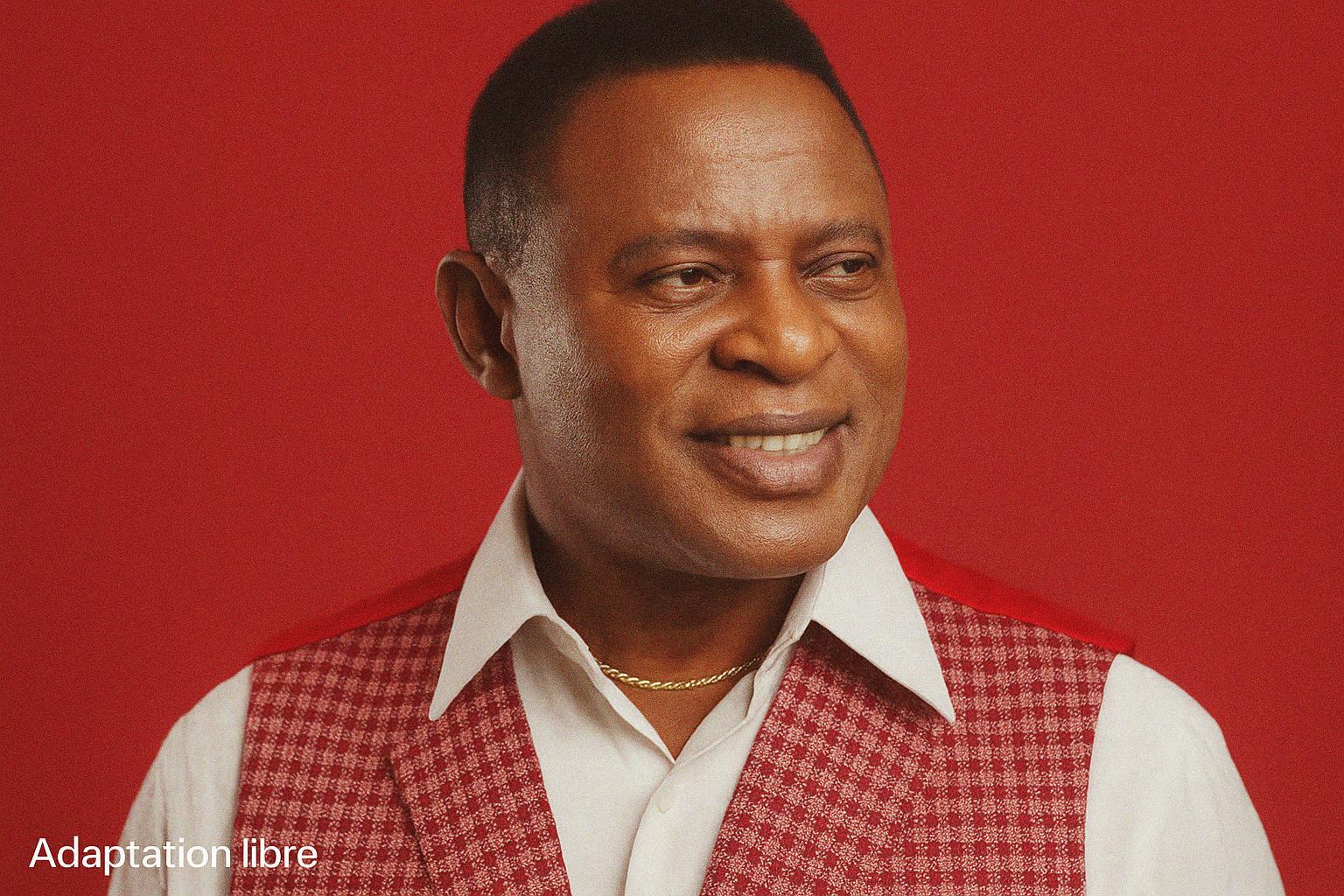
An Icon Returns to the Banks of the Congo
Few voices embody the melodic memory of Central Africa quite like Reddy Amisi’s. After more than thirty years of shaping the contours of modern Congolese rumba, the Kinshasa-born tenor will step onto the Radisson Blu stage in Brazzaville on 13 September 2025, summoned by DCO Production for a performance scheduled at 20:00. The choice of Brazzaville, epicentre of the Republic’s political life and cultural revival, carries symbolic weight: it bridges the two Congos, celebrates shared heritage and positions music as a unifying vector at a moment when regional conversations increasingly stress cultural commonalities over political fault lines (Les Dépêches de Brazzaville, 2025).
Radisson Blu as a Cultural Hub
Since its inauguration, the Radisson Blu has evolved beyond a hospitality landmark into a discreet forum for high-level meetings, art exhibitions and policy dialogues. Hosting Reddy Amisi within its halls therefore transcends entertainment value; it subtly aligns with Brazzaville’s ongoing plan to bolster creative industries as outlined in the National Development Plan 2022-2026. By curating high-profile concerts, the capital’s premier venues contribute to the diversification of the local economy while projecting an image of stability and modernity attractive to investors and tourists alike (Ministry of Culture and Arts, 2024). On a diplomatic plane, inviting regional dignitaries and foreign cultural attachés to such showcases allows the government to promote Congolese savoir-faire through the emotionally resonant language of music.
Soft Power Resonating Through Song
Soft power, Joseph Nye’s celebrated concept, is often deployed through cultural exports. Congolese rumba, inscribed in 2021 on UNESCO’s Representative List of the Intangible Cultural Heritage of Humanity, is now one of the country’s primary soft-power assets (UNESCO, 2023). Reddy Amisi’s repertoire—Libala, Bomengo, Prudence, Mayase—constitutes both a chronicle of urban life and a sonic archive of national aspirations. Each melody simultaneously entertains and narrates, reinforcing social cohesion while projecting a Congolese aesthetic that is at once modern and proudly rooted. Observers note that the Ministry of Foreign Affairs has, in recent years, expanded cultural sections in selected embassies precisely to leverage musicians as roving ambassadors. The forthcoming Brazzaville concert thus sits at the intersection of domestic cultural policy and international positioning, a reminder that diplomacy can unfold in concert halls as surely as in conference rooms.
Echoes of a Parisian Triumph
The momentum behind the September event was forged last November, when Reddy Amisi sold out the Bataclan in Paris, filling the historic venue with 1,600 aficionados and earning an honorary plaque from his producers (RFI, 2024). That success carried symbolic resonance: a Congolese artist commanding a Parisian stage underscores the enduring dialogue between Francophone Africa and its former colonial metropole. Analysts in Brazzaville interpreted the feat as a demonstration of cultural parity, illustrating how rumba can reconfigure traditional hierarchies in the global music market. The forthcoming homecoming therefore becomes more than a routine stop on an international tour; it is a celebration of reciprocal influence, where Parisian accolades return to reverberate along the banks of the Congo River.
Strategic Reverberations Beyond the Stage
What, then, will success on 13 September signify for the Republic of Congo’s broader strategic outlook? At a minimum, a flawlessly executed show will affirm the logistical and security capabilities of Brazzaville’s event infrastructure—an implicit reassurance to potential international investors monitoring stability indicators. Furthermore, the presence of regional officials in the audience may facilitate informal discussions around the Economic Community of Central African States’ cultural integration agenda, in which music is increasingly viewed as a catalyst for youth engagement and cross-border exchange (ECCAS Secretariat, 2024). Finally, the concert offers an occasion for public-private partnership: DCO Production’s collaboration with municipal authorities exemplifies the synergy that national development frameworks seek to replicate in other sectors. Should the evening unfold as forecast, Reddy Amisi’s closing chords may resonate far beyond the walls of the Radisson Blu, echoing into boardrooms, embassies and policy circles where perceptions of the Congolese brand are continually negotiated.