
New scholarships boost Congo AI ambitions
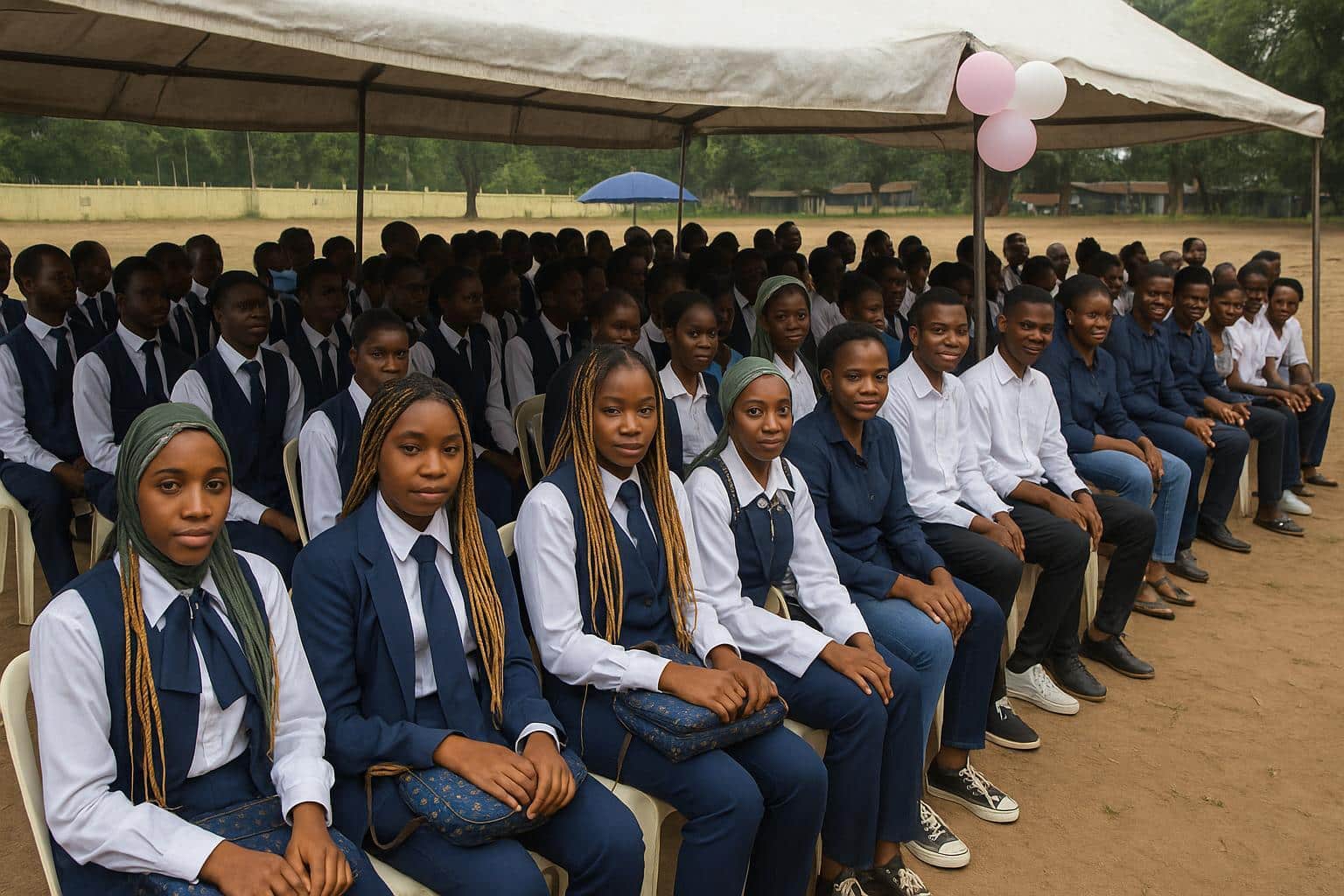
On 3 November, Brazzaville’s École du Numérique et de l’Intelligence Artificielle, known as ENIA 2.0, welcomed its second cohort of scholarship students, signalling another step in Congo-Brazzaville’s ambitions to build a skilled digital workforce.
More than 500 young Congolese, mainly recent high-school graduates, received full tuition coverage and academic kits under the “Bourse Mon Avenir” programme, which plans to disburse 1,000 grants nationwide this academic year.
The ceremony, held at ENIA’s riverside campus near downtown, drew officials from the Ministry of Post, Telecommunications and Digital Economy, parents and industry mentors keen to scout future talent for Congolese tech companies.
ENIA’s three-pillar curriculum
ENIA director general Mongo Ossebi Pierre told students every module rests on three pillars: competence, rigour and creativity. “Master the code, respect deadlines and imagine solutions for local needs,” he said unveiling the new intake.
Courses span artificial intelligence foundations, data science, cloud architecture and entrepreneurial design thinking. Lectures are supplemented by hackathons and internships in fintech, mining logistics and public-sector digitalisation, sectors flagged as priorities in the national development plan 2022-2026.
Tuition-free training is financed by a blend of corporate sponsorships, philanthropic donations and an allocation from the national fund for digital innovation, according to management documents shared with invited media.
Economic stakes of digital skills
The African Development Bank says Africa’s digital economy may hit USD 712 billion by 2050. Congo-Brazzaville, with submarine fibre links and rising mobile use, wants a share through human-capital investment.
A 2023 report by the Ministry of Digital Economy noted that local firms struggle to fill advanced coding positions, forcing some to outsource to neighbouring countries. ENIA’s graduates are expected to reduce that gap and generate home-grown solutions.
“If data is the new oil, talent is the new refinery,” remarked Jean-Pierre Ndinga, head of innovation at the Brazzaville Chamber of Commerce, who pledged to host student prototypes addressing agriculture and health diagnostics.
Student testimonies underline impact
Clutching his tablet and a stack of new manuals, scholarship recipient Ludovic Bemba said the opportunity felt “like opening a window on the world”. The 19-year-old from Makoua hopes to develop a voice-assistant app in Lingala for remote classrooms.
Female enrolment rose to 38 percent this year, up from 25 percent in the inaugural class. For software aspirant Christelle Mbani, the gender balance is more than a metric: “Seeing other women code gives me confidence to push boundaries,” she shared.
Beyond the classroom, ENIA runs weekend robotics clubs for secondary pupils and free coding bootcamps in Oyo and Pointe-Noire, initiatives that organisers say are funded through partnerships with oil operators and international NGOs.
Visionary leadership at the helm
Founder and CEO Chirel Mongo, a former telecom engineer, launched ENIA in 2022 after witnessing what he called a “mismatch between youth potential and market demand”. He framed the school as both an academy and an incubator.
His team recruited lecturers from local universities, diaspora experts and industry practitioners on rotating contracts. Course materials align with UNESCO’s AI competency framework, and final-year students must present a viable start-up concept to graduate.
“We are not merely teaching code; we are cultivating citizenship,” Mongo told the audience, urging parents to support late-night study sessions. Applause punctuated his remarks, reflecting broad optimism about technology as a vector for national cohesion.
Alignment with national digital plan
Officials present highlighted synergies with the government’s National Digital Plan, which targets 30 percent of GDP from digital services by 2030. Deputy director of training Odile Goma said ENIA’s model could be replicated in northern departments.
According to the regulator ARPCE, mobile broadband subscriptions topped 5.4 million in June, yet only 11 percent of small enterprises use cloud-based tools. Analysts view that gap as fertile ground for start-ups emerging from ENIA labs.
Partners such as the World Bank’s Digital Economy initiative and the African Union’s Centre for Artificial Intelligence in Kigali have expressed interest in joint research projects, management confirmed, though timelines remain under discussion.
Funding and talent retention challenges
Maintaining free tuition requires steady funding. ENIA’s finance officer cited rising server costs and the volatility of donor pledges. “Long-term sustainability will hinge on alumni donations and revenue from patents,” she noted, without disclosing figures.
Another hurdle is brain drain. Despite robust training, some graduates may seek higher salaries abroad. The school hopes mentorship programmes and equity stakes in student ventures will provide incentives to build careers at home.
Horizon for Congo’s tech ecosystem
As dusk settled over the Congo River, new scholars tested laptops in the open courtyard, their screens glowing like fireflies. The scene captured both the promise and the responsibility riding on ENIA 2.0’s young shoulders.
Whether the school can scale beyond 1,000 scholarships will depend on continued public-private alignment. For now, the 500 students beginning their journey embody a wider national vision: turning raw curiosity into digital solutions with local roots and global reach.