
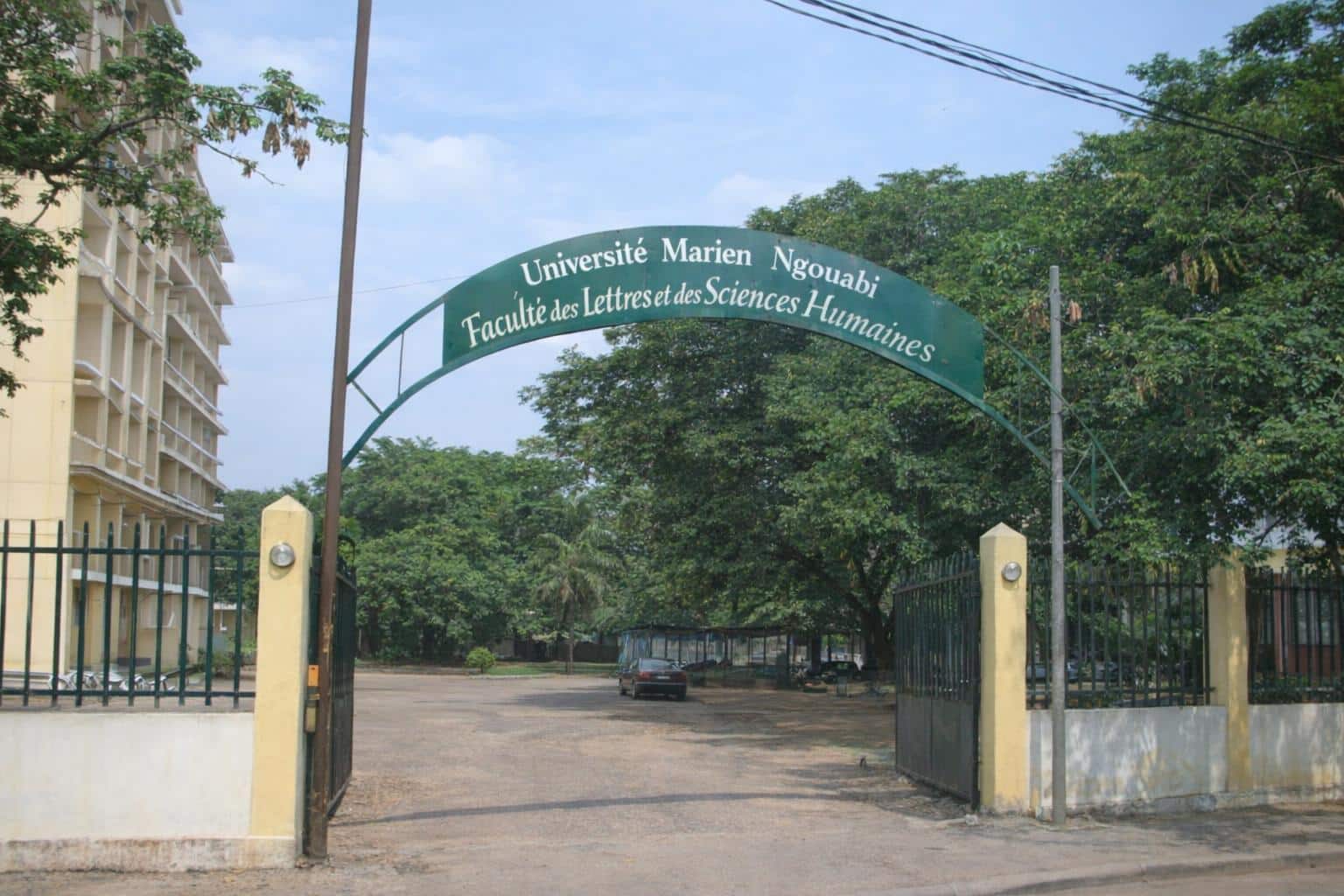
Brazzaville campus tensions ease, for now
At a joint general assembly held Saturday, Jan. 31 in Brazzaville, part-time lecturers at Marien-Ngouabi University decided to suspend their strike notice. The decision brought a measure of calm to the campus, but speakers insisted it remains conditional and reversible.
A 15-day ultimatum starting Feb. 2
The collective said the suspension is only provisional. It set a 15-day deadline, counting from Feb. 2, for discussions to open and for solutions described as durable to be put on the table. Without that, the group signaled the dispute could return quickly.
Assembly at the École normale supérieure esplanade
The meeting took place on the esplanade of the École normale supérieure and brought together part-time lecturers and service providers linked to the university. The agenda focused on assessing recent payments, yet the mood, according to participants, turned sharply critical as the figures were reviewed.
Payments acknowledged, but ‘injustice’ alleged
Participants discussed payments linked to the 2021–2022 academic year, described as 30 percent, and the 2022–2023 year, described as fully paid. Even so, the assembly denounced what it called a “characterized injustice” in the way certain sums were reportedly distributed.
The ‘forgotten’ files remain a flashpoint
According to the assembly, money due for those referred to as the “forgotten” during the 2021–2022 and 2022–2023 periods would have been paid exclusively to permanent lecturers. The file of “forgotten” claims for 2018–2019 was also said to be unresolved, despite 25 files approved by the university presidency.
Four academic years said to be entirely unpaid
Beyond partial arrears, the collective stated that four complete academic years remain unpaid to date: 2019–2020, 2020–2021, 2023–2024 and 2024–2025. The group framed this situation as a question of professional recognition, arguing that prolonged delays erode trust and academic stability.
Reform demands target transparency and bank payments
To prevent a restart of the strike, the assembly presented a set of demands to the government and the university presidency. These include direct involvement of part-time lecturers in crisis management, stronger financial transparency, and a reliable payment mechanism anchored in full bank-based processing of the entire chain.
Separate payment files, structural changes, and recruitment
The collective also called for structural reforms, including separating payment files for permanent staff and part-time lecturers. It further raised the issue of recruitment, presented as a longer-term measure to stabilize staffing. The message was that technical fixes must be paired with institutional changes.
A warning against political appropriation
Finally, participants warned against any “political recovery” of their claims. By stressing the professional and administrative nature of the dispute, they sought to keep the focus on pay processing, oversight, and dialogue. For now, the strike notice is suspended—but the clock is running.