
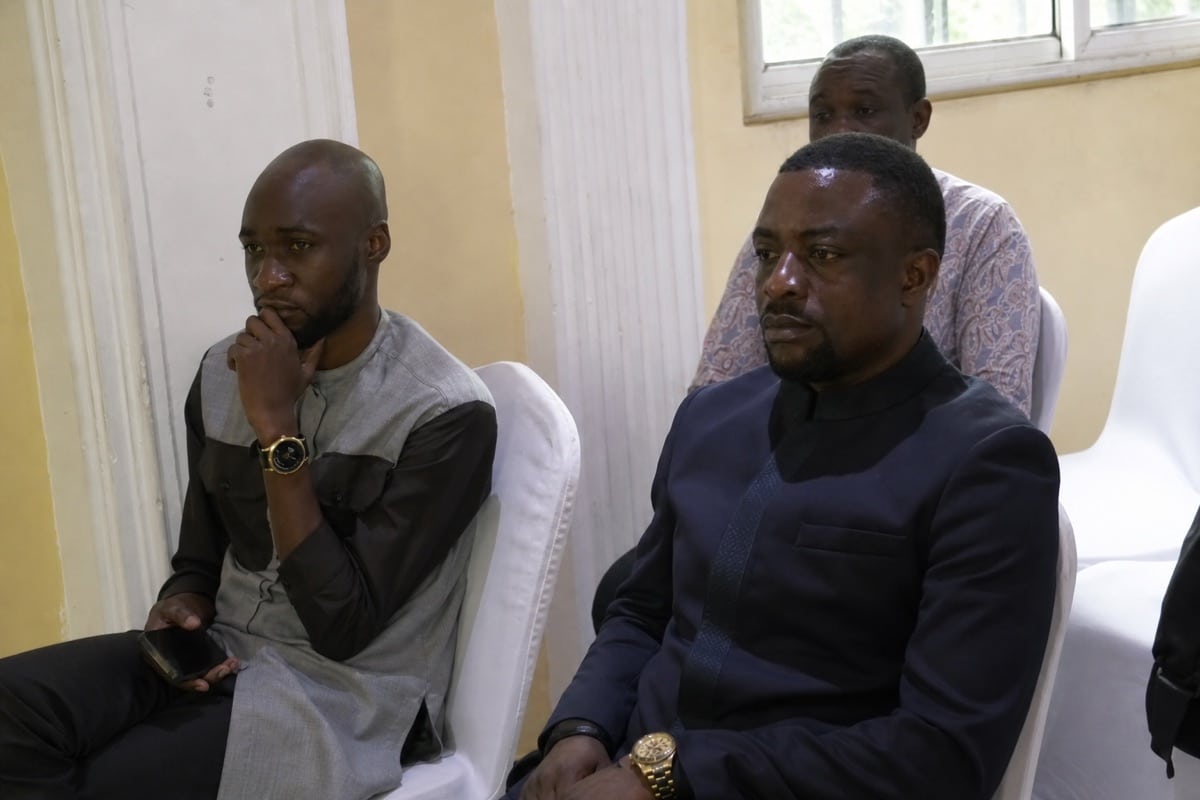
A Voice for the Press in Brazzaville
In advance of World Press Freedom Day on May 3, 2026, the Jeune Ecrivain du Congo — known by its acronym JEC — organized an advocacy event in Brazzaville focused on the conditions under which journalists in the Republic of Congo work. The initiative placed the organization among those drawing attention to press freedom concerns in the country ahead of the internationally recognized date.
The annual commemoration of May 3 provides civil society groups, professional associations, and advocacy bodies across the world with a coordinated moment to raise issues specific to their national contexts. In Congo-Brazzaville, the JEC used that window to put forward demands linked to the professional situation of journalists in the country.
What the JEC Advocated
The central thrust of the JEC’s plaidoyer — the French term used by the organization for its advocacy effort — was a call for better working conditions for Congolese journalists. The formulation covers a range of concerns that recur in press freedom discussions across sub-Saharan Africa: access to information, the legal and material security of reporters, the ability to investigate and publish without administrative or judicial interference.
The JEC’s positioning at this event reflects its broader identity as an organization engaged in questions of expression and public discourse. Writers and journalists share common ground around the freedoms necessary for their work to function, and the JEC’s intervention connected those two constituencies in a single advocacy moment.
The May 3 Context
World Press Freedom Day, established by the United Nations General Assembly and observed annually since 1993, is a reference point for evaluating media conditions country by country. Rankings compiled by international press freedom organizations each year typically include the Republic of Congo, though its position and the assessments accompanying it vary depending on the metrics used and the events of the preceding twelve months.
The timing of the JEC’s event — organized as a prelude to the May 3 date — was deliberate. Placing the advocacy session before the international day allowed the organization to contribute to the national conversation before attention shifted to broader regional or global analyses.
Journalists and Working Conditions
Questions about the professional conditions of journalists in Congo-Brazzaville have persisted over many years. Access to public information, the relationship between media outlets and public or private owners, and the degree of editorial independence available in practice are among the dimensions that press freedom advocates regularly examine.
The JEC’s call for better conditions, as recorded in available information about the event, does not specify a legislative agenda or a list of demands addressed to a particular authority. It registers, rather, the organization’s determination to use the May 3 moment to keep the subject visible.
Civil Society’s Role
The intervention of a cultural and literary organization like the JEC in a press freedom debate reflects a pattern seen across francophone Africa, where the boundaries between writers, intellectuals, and media advocates are permeable. Authors and journalists in Congo-Brazzaville have historically shared public platforms, responded to the same political pressures, and addressed overlapping audiences.
That continuity gives organizations like the JEC a standing in media-related debates that goes beyond formal professional associations. Their presence in a press freedom plaidoyer is not incidental but rooted in a longer tradition of engagement with questions of expression and civil liberties.
Looking Ahead
The JEC’s May 2026 event is part of a broader, recurring pattern of civil society engagement on media issues in the country. As Congo-Brazzaville navigates the period following the March 2026 presidential election and looks ahead to legislative elections projected for 2027, the conditions under which journalists can report will remain a subject of scrutiny from both domestic actors and international observers tracking the country’s democratic trajectory.