
Urban Sanitation Pressures in Congo
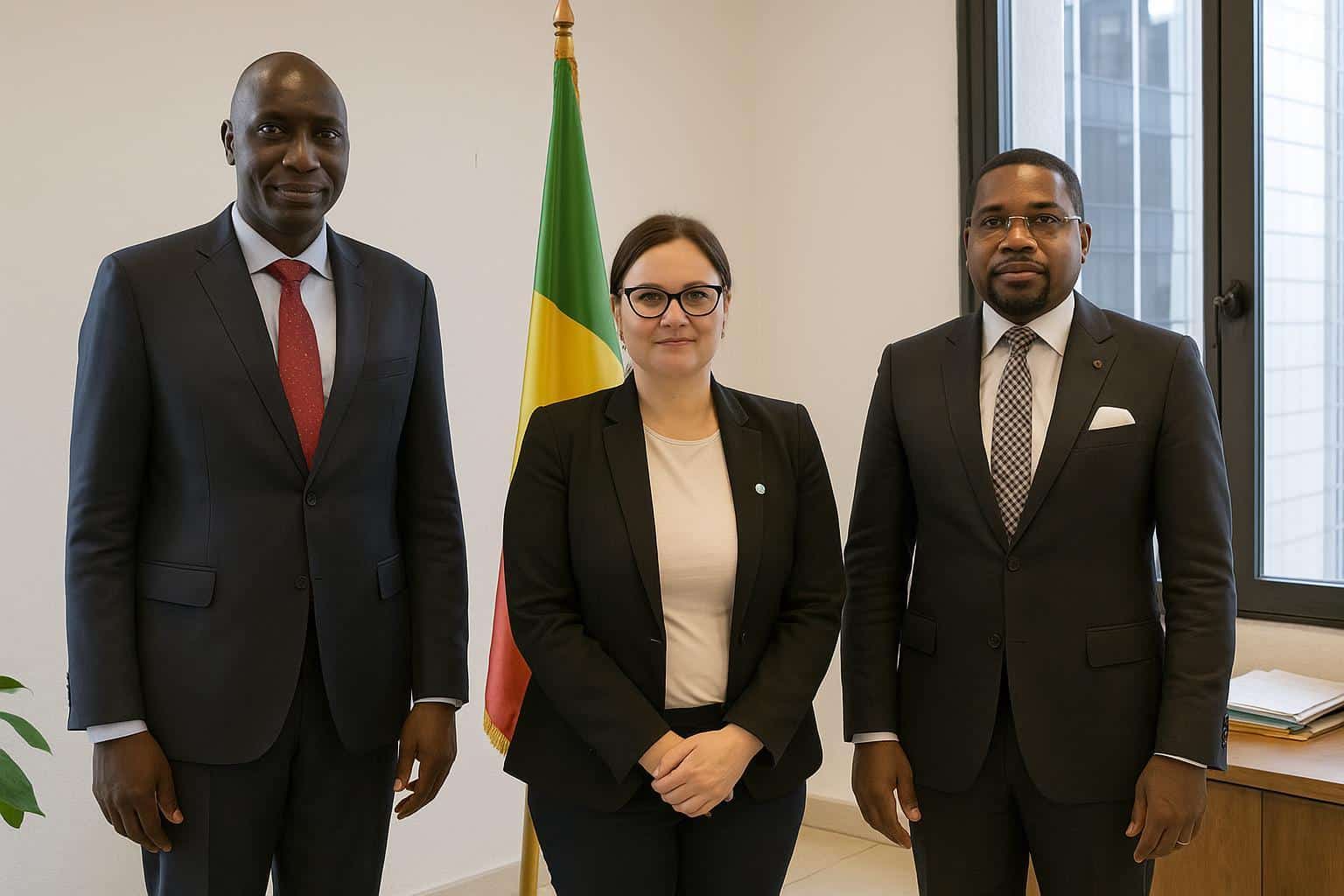
In Brazzaville’s south-western suburbs, open drains snake through streets that welcomed thousands of newcomers over the past decade. Similar scenes unfold in Pointe-Noire’s coastal quarters, underscoring a challenge that UNICEF representative Mariavittoria Ballota called “urgent and growing” after meeting officials on 24 September.
More than half of the Congolese population now lives in the two main cities. While access to latrines and reliable water points has expanded, gaps remain pronounced in densely populated neighborhoods and around informal settlements, especially for young children, schools and frontline clinics, she noted.
National Plan 2026-2030 Gains Traction
To reverse those gaps, the government drafted a National Sanitation Program covering 2026 to 2030. Minister of Urban Sanitation, Local Development and Road Maintenance Juste Désiré Mondelé told visiting partners the blueprint will guide budget allocations, infrastructure priorities and community outreach for the next five years.
UNICEF, the African Development Bank and several United Nations agencies have signaled technical and financial support. Their joint teams are finalising cost models intended to match municipal revenue streams with concessional loans and grants, aiming to secure approval of the policy before the end of the current budget cycle.
Protecting Health and Human Capital
Ballota stressed that sanitation is more than a construction agenda. Clean water, safe waste disposal and hygienic school facilities form “a frontline defence” against preventable illnesses such as malaria, diarrhoeal disease and acute respiratory infections that disproportionately affect children under five.
Lower infection rates translate into better school attendance, improved cognitive development and ultimately stronger labour productivity. Officials view the linkage as critical to Congo’s plan to diversify its economy beyond hydrocarbons and to reap the demographic dividend projected for the coming two decades.
Prevention Beats Cure Economically
Treating sanitation-related diseases drains household savings and public health budgets. Ballota pointed out that the direct cost of medicines and hospital stays is compounded by lost working hours for parents and teachers. “Preventing one outbreak is far less expensive than nursing an entire ward,” she said after the audience.
That economic logic has resonated in cabinet deliberations. Preliminary ministry estimates suggest each franc invested in latrine construction or drainage rehabilitation could save several francs in avoided medical expenses and productivity losses, reinforcing the program’s classification as a high-impact public investment.
Partnerships Anchored by UNICEF and AfDB
UNICEF engineers are mapping water points, while AfDB specialists model tariff scenarios that could keep municipal services affordable yet financially viable. Both institutions emphasise synergy rather than overlap, arguing that coordinated procurement can stretch limited funds further.
Other multilateral actors, including the UN Development Programme and the World Health Organization, have expressed interest in aligning their existing health and urban resilience projects with the sanitation roadmap once Parliament gives the green light. Observers see this convergence as a sign of confidence in Congo’s institutional capacity.
Local Governance and Community Voice
Officials insist that success hinges on local councils and neighbourhood committees. The forthcoming plan proposes training ward engineers, school principals and clinic managers in basic maintenance, data collection and budget tracking. Such capacity building aims to sustain investments long after external funding cycles conclude.
Ballota added that community engagement helps families adopt behaviours—from regular hand-washing to timely pit emptying—that complement public works. “Infrastructure alone cannot end disease; habits must evolve with it,” she remarked, urging civil-society groups and faith leaders to join awareness campaigns.
Private Sector as Catalytic Investor
The ministry is courting domestic contractors for latrine fabrication and drain clearing, positioning sanitation as a growth niche for small and medium enterprises. Mondelé argued that predictable public orders could stabilise workloads and spur job creation in construction, transport and maintenance.
Commercial banks have shown interest in providing working-capital lines once the government finalises payment guarantees. Analysts say that kind of blended financing could accelerate project rollout while nurturing a home-grown sanitation industry, reducing reliance on imported fittings and expatriate expertise.
Window of Opportunity Ahead
With the policy draft circulating for inter-ministerial comment, stakeholders describe a rare alignment of political will, technical backing and public expectation. Mondelé called it “a moment we cannot miss” as urbanisation quickens and climate variability heightens flood risks in low-lying districts.
Once endorsed, the 2026-2030 program is designed to deliver measurable indicators—kilometres of drains cleared, school toilets built, infection rates lowered—that will be tracked through annual reviews. Success could position Congo as a regional example of sanitation-driven health gains within the CEMAC bloc.
For families in Makelekele or Tié-Tié, the benefits are tangible: fewer clinic visits, cleaner playgrounds and safer commutes during the rainy season. As Ballota reflected outside the ministry, “Every child deserves a healthy start, and sanitation is the gateway to that promise.”
The coming months will reveal how swiftly planning translates into groundbreaks, but the blueprint’s emphasis on inclusive financing and local stewardship suggests solid footing. Partners remain optimistic that, with sustained momentum, Congo’s cities can turn today’s sanitation challenge into tomorrow’s development success.