
Media responsibility ahead of 2026 election
With election fever already rising, the Higher Council for Freedom of Communication convened editors and reporters in Brazzaville on 12 December, reminding them that the credibility of March 2026 coverage will depend on rigorous professionalism.
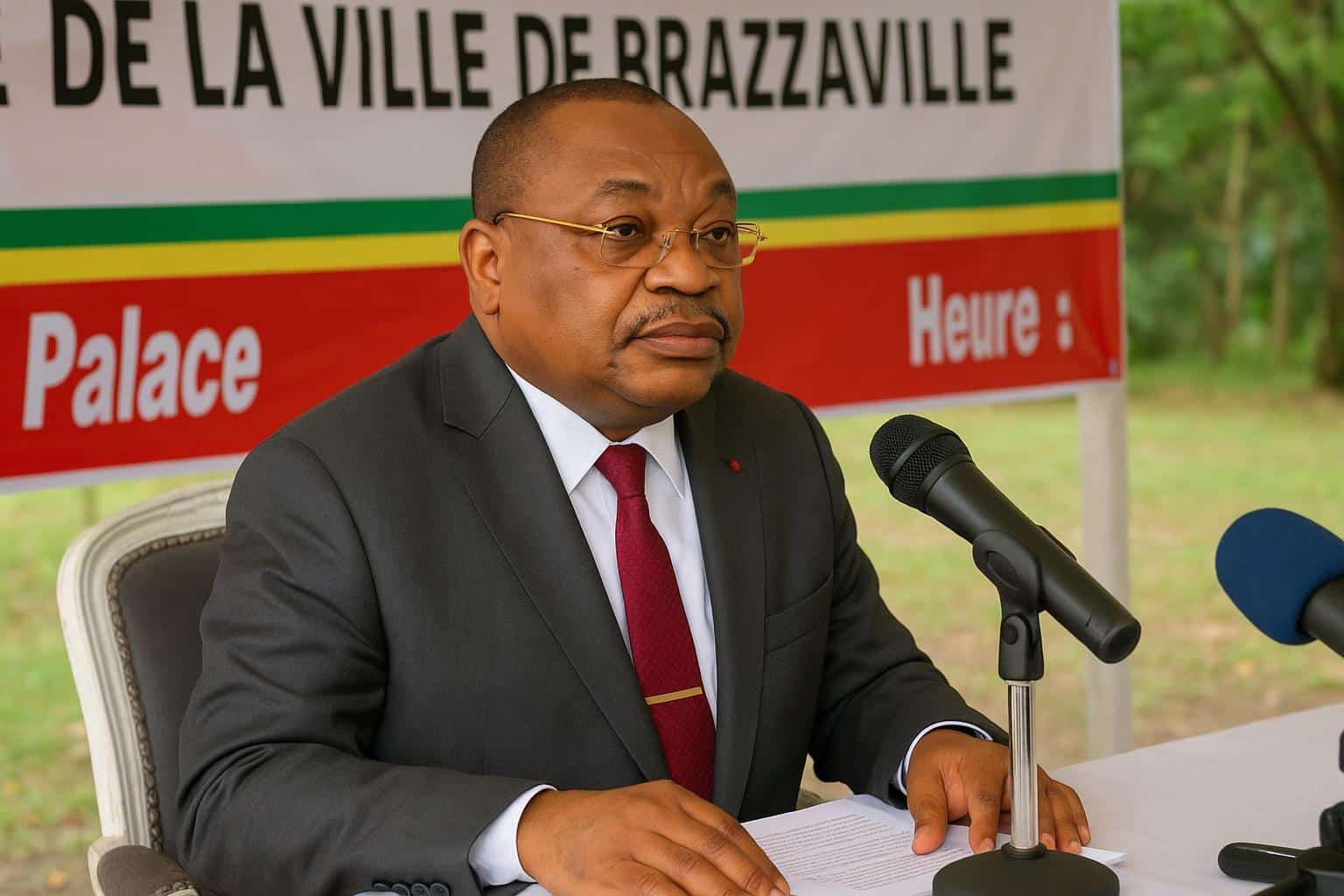
Council president Médard Milandou Nsonga, speaking from the podium of the Olympic Palace hotel, urged the room to ‘show republican spirit’, a phrase that drew nods from many news directors present.
His appeal comes at a moment when social networks overflow with unverified claims, memes and doctored videos. The regulator fears that poorly sourced stories could blur debate and undermine civic peace.
By opening the session without a question-and-answer segment, the Council opted for a succinct message rather than an extended dialogue, highlighting the urgency it attaches to discipline inside newsrooms.
Election coverage guidelines to be released
The CSLC team displayed its refreshed board, nine of the eleven counselors appearing next to the president. Two absences were noted, yet the quorum allowed decisions to be announced with full legal weight.
Under the 2001 organic law, the body ensures pluralism, allocates frequencies, and may sanction outlets that cross ethical lines. Nsonga reminded journalists that the framework protects both freedom of expression and public order.
Specific guidelines for election coverage, he said, will circulate in early January. They will spell out airtime balance, the duty to verify digital content, and the need to give candidates equal opportunity to reply.
Several editors, speaking privately after the event, welcomed a clearer rulebook. One television executive observed that predictable rules could deter last-minute pressure from sponsors or activists seeking to skew panel discussions.
Battling online disinformation nationwide
Beyond traditional outlets, the Council reserved its sharpest words for anonymous pages that impersonate news brands. Nsonga labeled their posts ‘information seasoned with insults’, arguing that such content threatens social cohesion.
The regulator plans pilot workshops on media literacy in secondary schools, hoping younger voters learn to cross-check sources before forwarding dramatic headlines. The Ministry of Primary Education has signaled support for that plan.
Experts from the University of Marien-Ngouabi will be invited to quantify how fast false narratives travel inside local WhatsApp groups. Their data, Nsonga said, can guide future counter-messaging by reputable outlets.
Regional observers note that the Congolese initiative follows similar moves by Cameroon’s NCC and Gabon’s HAC, reflecting a Central African consensus that digital rumor requires proactive, not punitive, answers.
National press card revived for poll access
Another practical measure rolled out Friday is the reactivation of the national press card. Dormant for several years, the credential will again serve as both professional badge and access pass to campaign venues.
Journalists must present proof of employment, a recent tax receipt and a certificate of no criminal record. The council promises an online portal that should reduce queues often seen at its headquarters.
Media unions contacted for comment say the card will help police separate reporters from campaign activists who sometimes wear counterfeit vests. They also want holders to receive reduced data tariffs from telecom companies.
Though fees have not been disclosed, insiders hint at a subsidised price under five thousand CFA francs, a signal that authorities look to encourage broad uptake rather than generate revenue.
Sustainable financing plan for news outlets
Financial fragility remains a chronic headache for many newsrooms. Addressing that point, Nsonga revealed that a working group with the Communication Ministry will outline allocation criteria for a forthcoming media support fund.
He stopped short of detailing the envelope’s size, yet officials privately mention a sum equivalent to one per cent of the national communication budget, subject to parliamentary endorsement next session.
Publishers are expected to submit audited accounts and a plan for digital transformation to qualify. Observers believe such conditionality could reduce ghost papers that appear only during election seasons to collect subsidies.
If implemented, the fund would complement private investment already flowing into emerging online platforms in Brazzaville and Pointe-Noire, raising hopes for a more diverse yet accountable media landscape.
Stakeholders align on vigilance over censorship
The Brazzaville meeting followed a similar tour in Pointe-Noire on 15 October, underscoring the Council’s strategy to reach journalists province by province before formal campaigning begins late next year.
Participants left Friday’s hall without interrogating the speaker, instead sharing an informal cocktail where camera operators mingled with digital start-ups, a tableau suggesting that legacy and new media may converge.
For now, stakeholders appear aligned on a key message: vigilance rather than censorship. ‘Our job is to inform, not inflame,’ one radio host murmured as he tucked the draft guidelines into his notebook.
Whether that ethos holds through the heat of an election will largely depend on the collective resolve shown in rooms like Friday’s—and on the audience’s appetite for verified, balanced storytelling.