
A Long-Awaited Opening
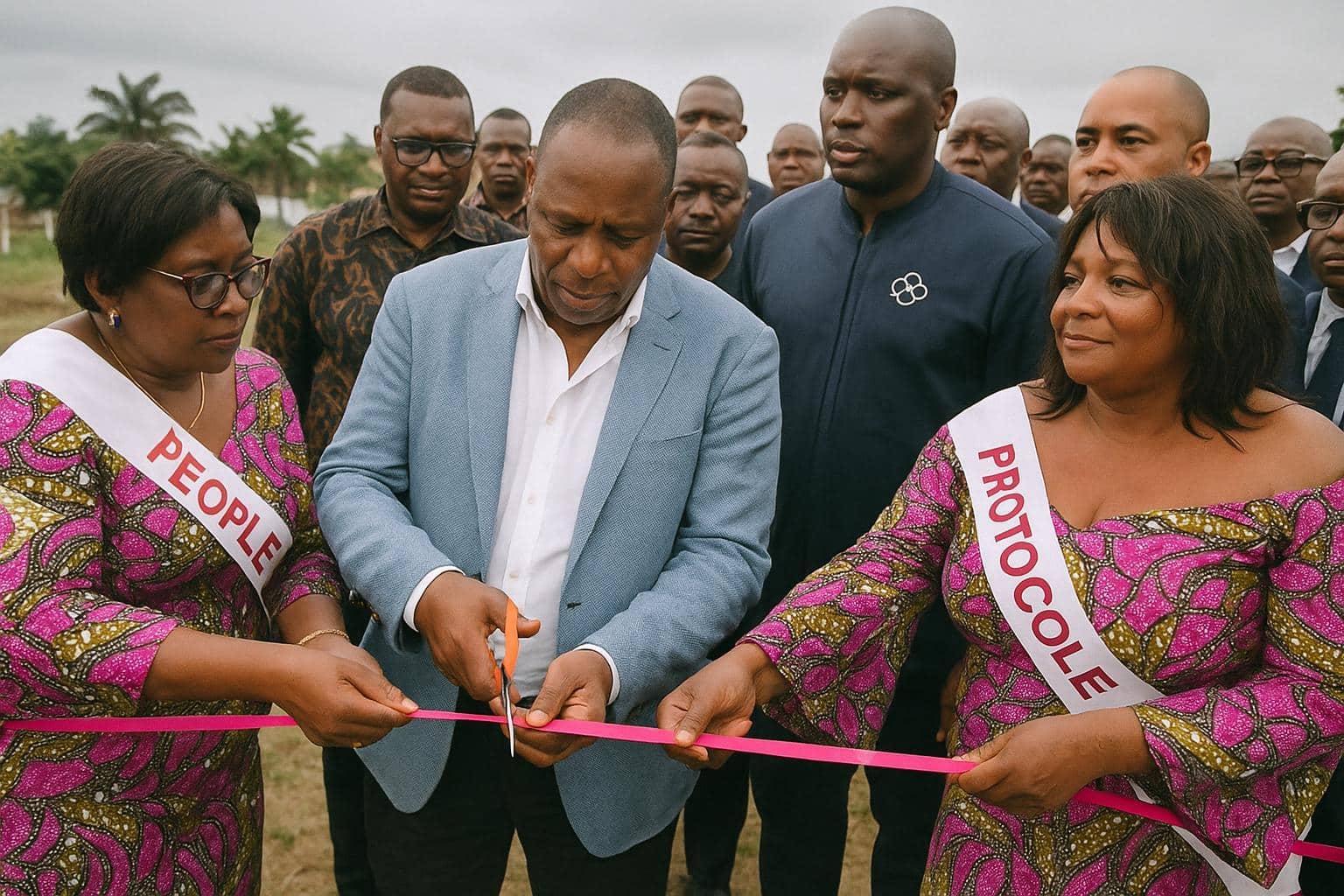
After months of anticipation in Pointe-Noire’s Arrondissement 1, residents finally crossed the brand-new footbridge over the Tchinouka River. The deputy for the third constituency, Maurice Mavoungou, cut the ribbon on 6 December 2025, opening the structure that unites the adjoining districts 111 and 112.
The project, nicknamed the Bridge of Friendship, endured repeated schedule changes attributed to high water levels and the logistics of bringing heavy equipment through narrow sand tracks. Each postponement fueled social-media chatter, yet also raised expectations for an upgrade long promised during constituency meetings.
When launch day finally arrived, drums echoed across the riverbank as the fan group Bahulu ba Niari danced past colourful pennants. Schoolchildren waved small flags, while vendors hawked bottled water. The atmosphere underscored the emotional weight of a modest but meaningful piece of public infrastructure.
Design and Durability
Dignitaries stood shoulder to shoulder beside the plaque: Geoffroi Dibakala from the municipal council, Guinea’s consul Hassan Diawara, and the four neighbourhood chiefs. Their presence signalled institutional backing for the initiative, which aligns with government priorities of easing mobility gaps in fast-growing urban zones.
Engineers chose reinforced concrete for the 180-metre deck and mounted steel guardrails to comply with national safety codes. Ninety piles, each 1.2 metres tall, secure the span above seasonal surges. Solar-powered lamps line both flanks, reflecting a policy push for greener public lighting.
The bridge survived its first trial the night a one-and-a-half-hour downpour sent muddy currents racing beneath. Photos shared by local radio showed no structural distress, a result hailed by the site supervisor Remy Ndinga as “proof that Congolese contractors can deliver durable work”.
Clearing the Riverbank
Only two years ago, the same river crossing was a garbage chute clogged with plastic bags and rotting produce. Mosquito clouds thrived, and commuters waded through contaminated water to reach jobs in the petro-port corridor. Residents recall losing school shoes in the slippery mud.
Before construction began, volunteer youth groups organised three sanitation drives, clearing fifteen truckloads of refuse and uprooting invasive shrubs. The mayor’s office supplied gloves and rakes, while the health department sprayed larvicide. That preparatory work, officials note, reduced malaria cases in surrounding streets by half.
Symbolic and Social Resonance
Deputy Mavoungou frames the footbridge as a tangible answer to the head-of-state’s call for inclusive growth. He told reporters the structure “stitches together families, traders and worshippers separated only by geography.” Observers interpret the rhetoric as a nod to the national agenda of promoting cohesion.
Victor Béli, the deputy’s alternate, echoed that messaging during his speech, urging “collective vigilance” to guard against vandalism and litter. “We handed over more than concrete,” he said. “We handed over trust.” The crowd, many wearing blue Movement Action and Renewal scarves, responded with applause.
Beyond the bridge, Mavoungou financed a fresh coat of paint for the O.C.H. gendarmerie post adjacent to the span. Officers who patrol the riverbanks say the facelift boosts morale and feeds into broader crime-prevention efforts that aim to reassure late-night pedestrians now using the lit walkway.
He also pledged to renovate flood-prone homes belonging to Céline Ibouna and Mr Boulingui, instructing District 111 chief Valentin Diabouna to supervise. Civil-engineering students from the nearby institute have volunteered to conduct soil tests, turning the commitment into a practical classroom exercise with community dividends.
Economic and Digital Ripples
The Tchinouka facility is the fourth crossing credited to Mavoungou since 2002, following Dibodo-Kambala, Ndouna and Bakadila bridges. Political analysts view the record as consistent with the Majority’s emphasis on local problem-solving ahead of municipal polls, rather than large-scale showpieces concentrated in capitals.
Already, market women report saving thirty minutes per supply run, according to a rapid survey by the Chamber of Commerce. Taxi-motorcyclists anticipate higher ridership, and property agents predict incremental rises in land values on the once-isolated 112 side, where empty lots still abound.
Local fintech startup PesaLink is exploring a QR code payment kiosk at the bridge entrance, enabling hawkers to accept cashless transactions. Chief executive Alain Koumba says the pilot could “turn the walkway into a digital marketplace,” mirroring national efforts to broaden financial inclusion through mobile tools.
Keeping the Bridge Clean and Funded
Environmental scientist Monique Massamba cautions that increased foot traffic could revive litter unless a waste-collection schedule is adhered to. She recommends installing sorting bins and involving school eco-clubs in monthly clean-ups, an idea the municipal technical director says will be reviewed during the next budget session.
For now the bridge gleams at sunset, its solar lamps flicking on one by one. Children race bicycles across, shoppers balance crates, and fishermen tie boats beneath. As District 112 elder Bernadette Mankou remarked, “We once feared the river; today it carries our hope forward”.
Funding for the structure combined parliamentary micro-project allocations with supplemental gifts from oil-service companies operating nearby. A statement from the prefecture thanked the private partners for “demonstrating corporate citizenship,” while stressing that oversight remained public. The hybrid model may serve as a template for other districts.